


Auto tariffs are turning the Toyota marketplace upside down. Prices are highly variable, depending on which Toyota catches your eye — some models cost far more than last year, while others have barely budged in price. You could keep thousands of dollars in your pocket if you know which models have avoided the worst of these new trade policies. Our team at Longo Toyota of Prosper is here to help you understand the tariff impact on car prices before you shop for your next vehicle.
Toyota’s Current Tariff Impact in 2025
Toyota’s extensive North American factory network gives it a significant tariff advantage. These plants build roughly 50% of U.S.-sold vehicles at 11 American facilities, a number that jumps to 80% when you include Canadian and Mexican facilities. Popular models, such as the Camry and RAV4, escape the worst tariff hits since they’re assembled domestically.
Japanese imports face 15% tariffs, while Canadian and Mexican vehicles get hit with 25% rates. New car parts tariffs kicked in on May 2-3, 2025. Toyota’s Kentucky plant produces 550,000 vehicles and over 600,000 engines annually, while an Alabama facility builds more than 3,000 engines daily, one-third of Toyota’s entire U.S. engine production. This domestic manufacturing shields these models from the worst price shocks.
Building where you sell makes perfect sense when trade policies flip overnight. Toyota’s been growing its American footprint for years, while its competitors have stayed import-heavy. That foresight turned into a major competitive advantage when tariffs hit the industry.
Direct Price Impact on Toyota Vehicles
If you’re eyeing a Toyota built here in the U.S., prices are holding steady for the Camry, Corolla, both Highlander versions (regular and hybrid), the larger Grand Highlander (also in gas and hybrid variants), the ever-popular RAV4, and the tough-as-nails Tundra pickup. The same goes for the Corolla Cross, Sequoia, and Sienna, all rolling off American assembly lines and dodging the worst of the import taxes.
On the other hand, Toyota models built overseas are enduring price hikes you’ll definitely notice on the window sticker. The eco-friendly Prius, the plug-in RAV4, the legendary Land Cruiser, the fancy Crown Signia, and the adventure-ready 4Runner are all taking hits. These vehicles come from factories in Mexico, Canada, Austria, and Japan — putting them squarely in the tariff crosshairs. If you’re on a tight budget or have a fixed income, tariffs can completely change what you can afford.
One interesting aspect is how these price differences create winners and losers within Toyota’s own lineup. Two vehicles that might compete for the same buyer could have completely different price trajectories based solely on assembly location. This creates some strange situations where higher-trim domestic models might end up cheaper than lower-trim imported ones, completely flipping the normal pricing hierarchy. Savvy shoppers who understand these distinctions can spot opportunities, while others might walk away thinking all Toyotas are getting more expensive.
Consumer Impact and Market Dynamics
Tariffs are wreaking havoc beyond new car lots. Used Toyota prices could jump in wholesale markets, and entry-level buyers face the worst squeeze. Toyota offers six models under $30,000, starting with the Corolla at $22,725, but even these aren’t immune to rising costs.
Toyota has boosted its inventory significantly, while competitors have struggled. More cars usually means better deals, except tariffs work against this. Certified preowned Toyotas offer quality inspection processes and warranties without full tariff sticker shock.
Different buyer segments feel vastly different impacts. Families eyeing a Highlander might absorb increases easily, while budget-minded Corolla shoppers might walk away entirely. Higher prices mean larger loans and longer terms — 72 or 84 months instead of 60 — just to keep payments manageable.
Toyota vs. Its Competitors: Tariff Advantage Analysis
Toyota is absorbing a $9.5 billion loss from tariffs this year. It slashed yearly forecasts, rattling investors worldwide, but it’s taking less of a financial hit than its competitors, thanks to North American manufacturing.
Industry comparisons tell the real story. Honda’s profits dropped by 50%, and GM’s Q2 operating profit fell $1.1 billion. Even smaller automaker Mazda faces nearly $1 billion in tariff damage. This means higher prices, reduced research and development, delayed updates, and fewer incentives.
Toyota occupies a unique middle ground — it’s neither fully domestic like Ford nor import-dependent like certain luxury brands. It can shift production between plants, adjust model pricing, and balance its global network. Decades of planning and billions invested are now paying dividends, resulting in more stable pricing across Toyota’s lineup while competitors pass along nearly all tariff costs.
Timing matters when buying a Toyota right now. Most tariff changes kick in within 30 days after announcement, with some manufacturers hiking prices early. The 25% tariff on imported cars and parts started April 3, but ripple effects continue. If you’re undecided, you risk paying more as changes get announced.
Focus on American-built models to dodge tariff hits, and check current Toyota incentives — rebates, lease specials, and low APR deals can help offset price jumps.
Smart Toyota Buying Strategies in the Tariff Era
Working with knowledgeable dealers can make a huge difference, as pricing varies wildly between similar models based on origin. Our expert team tracks which models offer the best value under current conditions and can explain financing strategies to offset increases. Visit Longo Toyota of Prosper today for the latest inventory, current incentives, and straight talk on minimizing the impact of tariffs on your purchase. We’ll help you find a Toyota that fits your lifestyle and budget despite changing market conditions.
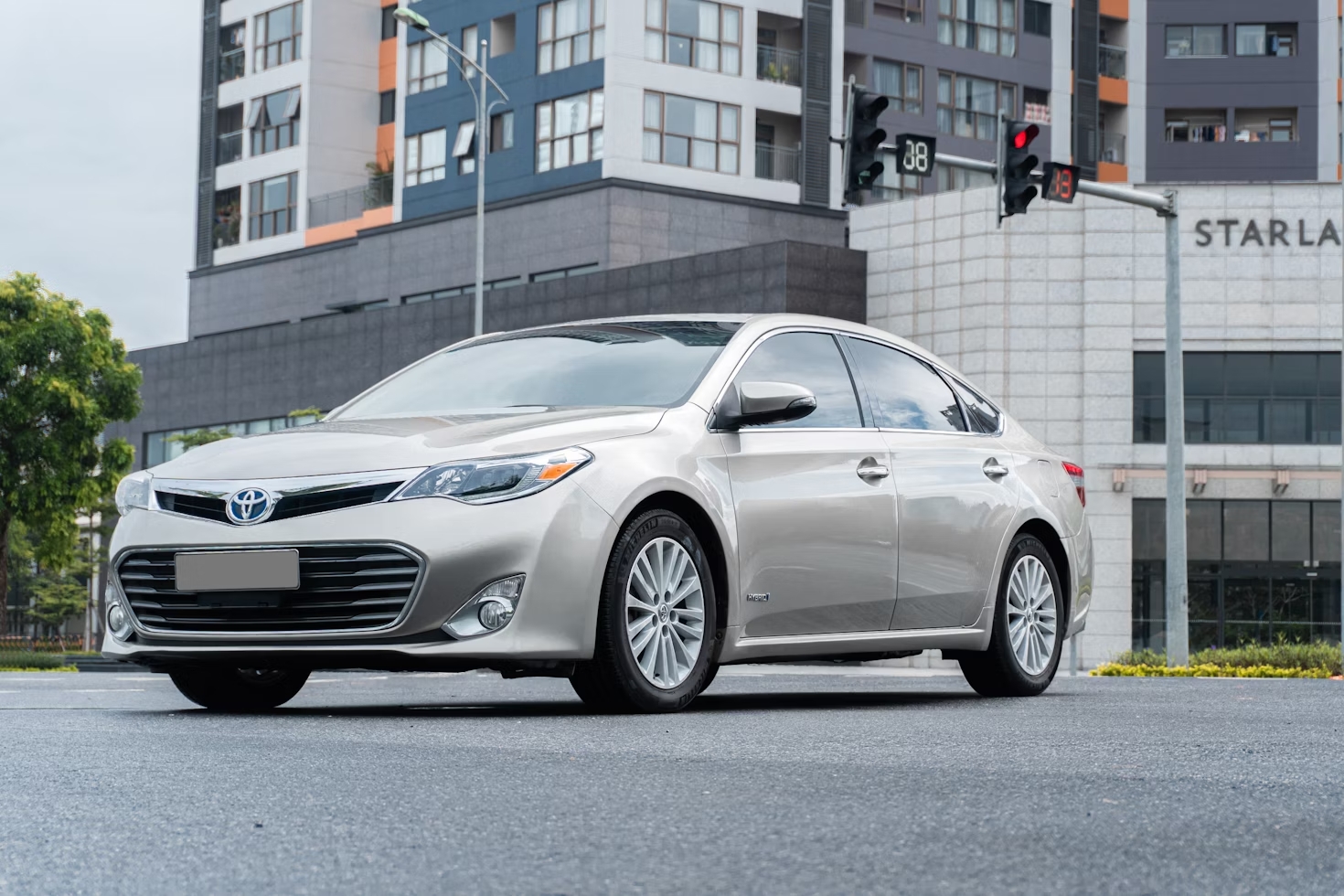
a silver car parked on the side of a road by NAM CZ is licensed with Unsplash License
Connect with us


