


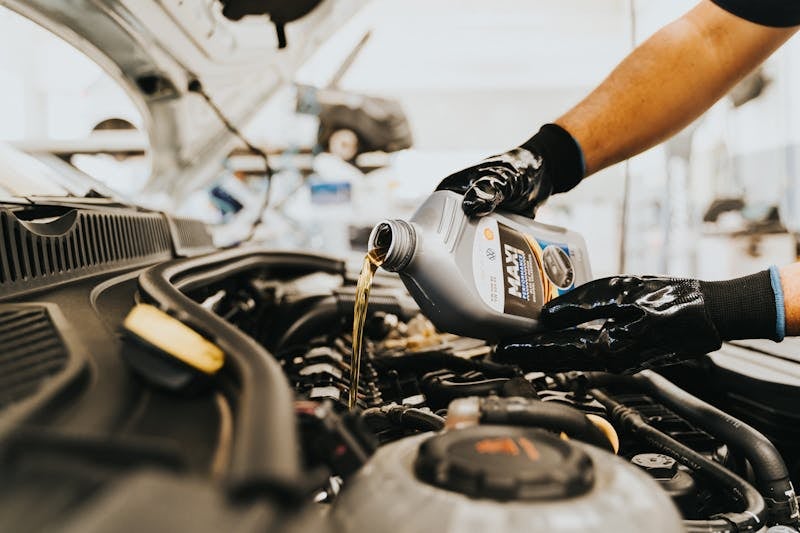
Regular oil changes are crucial for maintaining your vehicle's health and performance. For Toyota owners, this maintenance routine is integral to ensuring the reliability and longevity that Toyota vehicles are renowned for. But this brings up a common question: Do Toyotas use special oil? In this guide, we'll explore the types of oils recommended for Toyota vehicles, which models use which oils, how to check your oil and the benefits of using the right oil.
Different Oils That Toyotas Use
Toyota vehicles can use a variety of motor oils, each with distinct properties and benefits. The primary categories are conventional oil, synthetic oil, and synthetic blends. Let's take a closer look at each type.
Conventional Oil
Conventional oil is the most basic type of motor oil, derived directly from crude oil. It's generally less expensive than synthetic options and works well for older vehicle models or those with simpler engine designs. However, it doesn't offer the same level of performance or protection as synthetic oils, particularly in extreme temperatures.
Synthetic Oil
Synthetic oil is chemically engineered to provide superior performance and protection. It offers better viscosity stability, which means it remains effective across a wide range of temperatures. Synthetic oil also provides excellent engine protection, reduces wear and tear, and can improve fuel efficiency. This type of oil is often recommended for high-performance engines and newer Toyota models.
Synthetic Blends
Synthetic blends combine elements of both conventional and synthetic oils. They offer many of the benefits of synthetic oil, such as improved performance and protection, but at a lower cost. Synthetic blends are a good middle-ground option for those who want better protection than conventional oil but are not ready to commit to the higher price of full synthetic oil.
Toyota often recommends specific oil brands for its vehicles, such as Toyota Genuine Motor Oil or Mobil 1. These oils meet Toyota's stringent quality standards and provide the optimal performance and protection for your engine.
What Vehicles Use Each
Different Toyota models require different types of oil to achieve optimal performance.
Toyota Camry
The Toyota Camry, known for its reliability and efficiency, typically requires synthetic oil. This helps ensure the engine runs smoothly, particularly in newer models with advanced engine technology.
Toyota Tacoma
A synthetic blend is often recommended for the robust and versatile Toyota Tacoma. It provides the necessary protection for everyday driving and off-road adventures, making it ideal for a vehicle that needs to perform in various conditions.
Toyota Prius
The Toyota Prius, a leader in hybrid technology, benefits from using synthetic oil, which helps maintain the fuel efficiency and low emissions that the Prius is famous for.
Toyota Corolla
Another reliable and popular model, the Toyota Corolla, can use either conventional oil or synthetic blends, depending on the specific model year and engine type. However, synthetic oil is often recommended for newer models to ensure better performance and longevity.
How To Check Your Oil
Checking your oil is a simple yet essential task that every Toyota owner should know how to do. Here's a step-by-step guide:
- Park on a level surface: Ensure your car is parked on a flat surface and that the engine is turned off.
- Locate the dipstick: Open your hood and locate the oil dipstick, which is usually marked with a bright handle.
- Pull the dipstick out: Pull the dipstick out and wipe it clean with a rag or paper towel.
- Reinsert the dipstick and remove it again: Insert the dipstick back into its tube, then pull it out again to check the oil level.
- Read the level: The dipstick will have markings indicating the proper oil level. The oil should be within the marked range.
- Check the oil's color and consistency: The oil should be amber and relatively clean. If it's dark or gritty, it's time for an oil change.
- Top off the oil if necessary: If the oil level is low, add the appropriate type of oil as specified in your owner's manual.
How Often Should You Change Your Oil?
Maintaining the longevity and performance of your Toyota vehicle relies significantly on regular oil changes. Toyota generally recommends an oil change every 5,000 to 10,000 miles, depending on the model and year of the vehicle. For instance, newer models equipped with synthetic oil often have longer intervals, typically around 10,000 miles or once a year. Conversely, older models or those using conventional oil might require more frequent changes, approximately every 5,000 miles or six months. This routine maintenance helps ensure the engine remains well lubricated, reducing wear and tear and enhancing overall efficiency.
These intervals can vary based on several factors, including driving conditions. Vehicles frequently subjected to severe driving conditions, such as stop-and-go traffic, extreme temperatures, towing heavy loads, or driving on dusty or rough roads, may require more frequent oil changes. These strenuous conditions can accelerate oil degradation and necessitate earlier maintenance to protect the engine. High-mileage vehicles may also benefit from more frequent oil changes to accommodate the natural wear and tear that occurs over time.
While these general guidelines provide a baseline, it's crucial to consult your Toyota owner's manual for specific recommendations tailored to your particular model and driving habits. The manual offers the most accurate maintenance schedule, ensuring you adhere to Toyota's standards and optimize your vehicle's performance.
Benefits of Using the Right Oil
Using the correct type of oil for your Toyota vehicle offers numerous benefits, including:
- Improved engine performance: The right oil ensures your engine runs smoothly and efficiently.
- Enhanced fuel efficiency: Proper oil reduces friction, leading to better fuel economy.
- Increased engine longevity: Using the right oil protects your engine from wear and tear, extending its life span.
- Better protection in extreme conditions: Synthetic oils, in particular, offer superior performance in both high and low temperatures.
- Reduced emissions: The right oil helps your engine run cleaner, reducing harmful emissions.
Using the wrong type of oil can lead to reduced performance, increased wear and tear, and even potential engine damage.
Schedule Your Oil Change With Longo Toyota of Prosper
Regular oil changes are vital for maintaining your Toyota's performance and longevity. At Longo Toyota of Prosper, our certified Toyota technicians use the recommended oils for your specific vehicle, ensuring optimal performance and protection. Don't wait until it's too late — schedule your next oil change with us today.
Pouring Oil to Engine by Daniel Andraski is licensed with Pexels License