

Longo Toyota of Prosper

Blog / Comparison

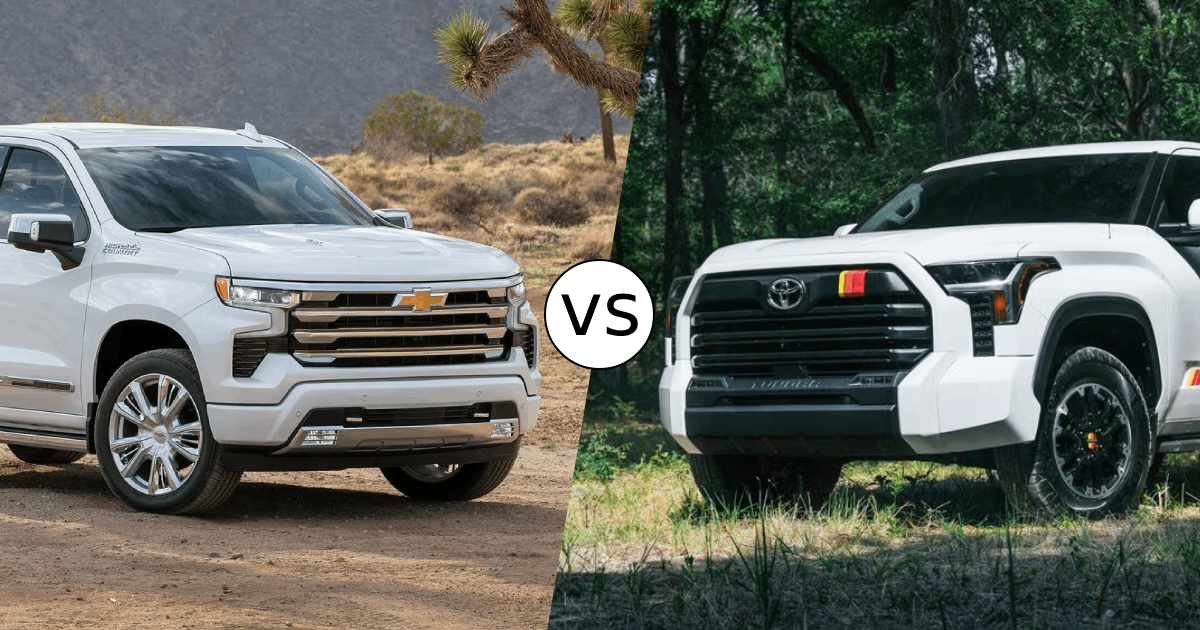
2026 Toyota Tundra vs Chevy Silverado

2026 Toyota Tundra vs Chevy Silverado

When comparing the 2026 Toyota Tundra and Chevy Silverado, you'll find two completely different philosophies in full-size truck design. At Longo Toyota of Prosper, we help North Texas drivers understand why the Tundra's hybrid innovation, proven reliability, and superior ground clearance deliver better long-term value than Silverado's traditional approach. Both trucks serve the segment well, but the Tundra's strategic advantages make it the smarter investment for most buyers.

2026 Toyota Tundra vs Chevy Silverado: Quick Comparison Overview

The Toyota Tundra vs Chevrolet Silverado debate really comes down to what matters most to you. The Tundra leads with its exclusive i-FORCE MAX hybrid system, pumping out 583 lb-ft of torque and achieving up to 22 mpg combined. That's efficiency no Silverado configuration can touch. Our customers consistently appreciate the Tundra's superior ground clearance (up to 9.4 inches versus Silverado's 7.9 inches), especially valuable for ranch work and off-pavement driving that's so common around here. The 10-speed automatic transmission provides smoother, more refined shifting than Silverado's 8-speed unit.

Feature2026 Toyota Tundra CrewMax2026 Chevrolet Silverado 1500 Crew Cab
Hybrid Powertraini-FORCE MAX Hybrid V6 (437 hp, 583 lb-ft torque), up to 22 mpg combined (2WD)No hybrid option
Standard Engine3.4L twin-turbo V6 (389 hp, 479 lb-ft)2.7L TurboMax I4 (310 hp, 430 lb-ft)
Transmission10-speed automatic8-speed automatic
Towing CapacityUp to 12,000 lbsUp to 13,300 lbs (with 6.2L V8 or diesel)
Payload CapacityUp to 1,850 lbsUp to 2,260 lbs
Ground Clearance8.5-9.4 inches7.9 inches
Seating Capacity55 or 6 (Crew Cab)

The Tundra's 12,000-lb towing capacity handles most real-world needs our customers face, from boat trailers to equipment hauling, while delivering better fuel economy and ground clearance than Silverado. That hybrid system's 583 lb-ft of torque kicks in at just 2,400 rpm, giving you immediate pulling power that feels effortless during launches and highway merges.

Powertrain Innovation and Efficiency

The Chevrolet vs Toyota powertrain discussion shows a clear advantage for Tundra buyers. Silverado sticks with conventional engine technology, while the Tundra's i-FORCE MAX hybrid system represents genuine innovation in the full-size truck segment. We see this efficiency advantage translate to real savings for our Prosper customers who deal with long highway commutes and frequent city driving.

Toyota's i-FORCE MAX Hybrid Advantage

The i-FORCE MAX hybrid pairs a twin-turbo V6 with an electric motor, cranking out 437 hp and 583 lb-ft of torque while hitting up to 22 mpg combined on regular gasoline. This system eliminates the compromise between power and efficiency that defines traditional truck engines. The electric motor delivers instant torque from a standstill, making trailer launches smooth and highway passing effortless. Silverado? No hybrid option at all, which leaves buyers stuck choosing between fuel economy and capability.

Regenerative braking captures energy during deceleration, recharging the battery without any driver input or charging infrastructure needed. The system operates seamlessly; you just drive normally while enjoying lower fuel costs and reduced emissions. The 10-speed automatic transmission works perfectly with the hybrid powertrain, finding optimal ratios for every driving situation with refinement that beats Silverado's 8-speed unit.

Real-World Performance and Refinement

The Tundra's coil-spring rear suspension delivers superior ride quality compared to traditional leaf-spring setups, soaking up road imperfections while maintaining stability under load. Daily driving feels comfortable and composed, which reduces fatigue during those long drives. The refined powertrain and suspension tuning create a surprisingly modern truck experience that our customers consistently praise.

Ground clearance becomes critical for North Texas ranch work and off-pavement adventures. The Tundra's 8.5 to 9.4 inches provides real advantages over Silverado's 7.9 inches when you're navigating rough terrain, creek crossings, or rutted trails. This extra clearance protects undercarriage components while improving approach and departure angles.

Built-In Reliability and Long-Term Value

The Toyota Tundra or Chevy Silverado decision heavily favors the Tundra when you consider long-term ownership costs. Toyota's engineering philosophy focuses on proven durability over complexity, resulting in trucks that deliver decades of dependable service with minimal unexpected repairs.

Toyota's Reputation for Dependability

Toyota consistently ranks at the top of reliability surveys, and the Tundra continues that tradition. Our service department sees Tundra owners primarily for routine maintenance rather than problem-solving visits. That pattern creates predictable, low-stress ownership. Fewer unexpected repairs mean lower maintenance budgets over five or ten years, which offsets any initial price considerations. The confidence of knowing your truck will start every morning and handle whatever you demand has tangible value that extends far beyond simple cost calculations.

Factory warranties cover similar periods across both brands, but the Tundra's reputation translates to fewer claims filed and less downtime. We've watched Tundra customers rack up impressive mileage with nothing more than oil changes and tire rotations. That's a testament to Toyota's engineering excellence.

Resale Value and Ownership Costs

The Tundra commands significantly stronger residual values in the used truck market. Buyers shopping pre-owned trucks pay premium prices for Tundra models, trusting Toyota's durability reputation. This depreciation advantage compounds over ownership, protecting your investment when it's time to trade or sell. Silverado models depreciate faster, creating a meaningful financial gap over typical ownership periods.

Total ownership costs heavily favor the Tundra. The hybrid system's 22 mpg combined fuel economy delivers substantial savings compared to conventional Silverado engines, particularly for drivers facing daily commutes. Lower maintenance frequency and stronger resale values further widen the cost gap. These factors create compelling financial reasons to choose the Tundra beyond its capability and refinement advantages.

Interior Quality and Technology

The Chevrolet Silverado 1500 vs Toyota Tundra comparison reveals distinct approaches to cabin design. The Tundra emphasizes quality materials and thoughtful craftsmanship that create a premium environment worthy of the time you'll spend inside.

Premium Materials and Craftsmanship

The Tundra features soft-touch surfaces throughout the cabin, with materials selected for durability and tactile quality. Upper trims introduce genuine leather and premium textiles that elevate the experience to near-luxury territory. Panel gaps remain tight and consistent, with trim pieces fitting precisely. These details suggest longevity and care in assembly. This attention to craftsmanship creates a cabin where you'll genuinely enjoy spending time, whether commuting to work or heading out on weekend adventures.

Storage solutions appear throughout, from door pockets to center console bins designed for actual truck owner needs. Controls fall naturally to hand, with intuitive placement that doesn't require taking eyes off the road. The overall design philosophy balances functionality with premium feel, avoiding the purely utilitarian approach some competitors embrace.

Infotainment and Connectivity Features

The Tundra's infotainment system emphasizes straightforward operation with responsive touchscreen controls. Wireless Apple CarPlay and Android Auto integration keeps your smartphone connected without cable clutter. Multiple USB ports and power outlets ensure devices stay charged during long trips. The interface focuses on quick access to essential functions like navigation, audio, and phone, without unnecessary complexity or distracting graphics.

Voice commands work reliably for common tasks, letting you keep hands on the wheel and eyes on the road. Climate controls remain accessible through physical buttons and knobs, a thoughtful decision that avoids burying essential functions in touchscreen menus. The system balances modern connectivity with intuitive operation.

Safety Features and Driver Assistance

Safety technology comes standard on the Tundra through Toyota Safety Sense 2.5, bringing advanced driver assistance across all trim levels. This comprehensive suite includes adaptive cruise control that maintains following distance in highway traffic, lane departure alert with steering assist that provides gentle corrections when you drift, and pre-collision systems with pedestrian detection that monitor the road ahead and prime brakes when potential impacts are detected.

These features work together seamlessly, activating when needed without feeling intrusive. The systems require driver attention and engagement, serving as safety nets rather than autopilot replacements. Silverado offers similar technology, though availability varies by trim level and requires package upgrades on lower configurations. The Tundra's standard inclusion reflects Toyota's commitment to safety regardless of price point.

Towing and Capability Highlights

The Tundra's 12,000-lb maximum towing capacity (when properly equipped) handles most real-world needs our customers encounter. Boat trailers, equipment haulers, campers, and livestock trailers all fall well within this range. The i-FORCE MAX hybrid's 583 lb-ft of torque arrives at just 2,400 rpm, providing immediate pulling power that makes launches feel confident and controlled.

Payload capacity reaches up to 1,850 lbs depending on configuration, which is sufficient for heavy cargo loads and work site demands. The superior ground clearance (up to 9.4 inches) proves valuable when towing across uneven terrain or navigating boat ramps. While Silverado offers higher maximum specifications in certain configurations, the Tundra's capabilities satisfy typical truck owner needs while delivering better fuel economy and long-term reliability.

Why the 2026 Toyota Tundra Is the Smarter Choice

The 2026 Toyota Tundra vs Chevy Silverado comparison consistently favors the Tundra when you consider total ownership value. The exclusive i-FORCE MAX hybrid system delivers 22 mpg combined fuel economy no Silverado can match, translating to thousands of dollars in savings over typical ownership periods. Superior ground clearance (8.5-9.4 inches versus 7.9 inches) provides real advantages for off-pavement driving, ranch work, and challenging terrain navigation that's common in North Texas.

Toyota's class-leading reliability reputation means fewer unexpected repairs, lower maintenance costs, and stronger resale values. The 10-speed automatic transmission delivers smoother, more refined shifting than Silverado's 8-speed unit. Standard Toyota Safety Sense 2.5 across all trims provides comprehensive driver assistance without requiring expensive package upgrades. Premium interior materials and thoughtful craftsmanship create a cabin environment that feels built to last.

Choosing the Tundra means investing in proven engineering excellence backed by decades of dependability data. The i-FORCE MAX hybrid positions you ahead of inevitable industry trends toward electrification while delivering practical efficiency benefits today. For buyers planning to keep their trucks for years rather than months, the Tundra's advantages compound over time through lower operating costs and protected resale value.

Explore the 2026 Toyota Tundra at Longo Toyota of Prosper

Discover the 2026 Toyota Tundra firsthand at Longo Toyota of Prosper, located at 2100 W. University Drive in Prosper, Texas. As part of the #1 volume Toyota dealership family for over 55 years, we bring expertise and a customer-first approach to every interaction. Browse our current Tundra inventory to explore available configurations and experience the advantages of the i-FORCE MAX hybrid system for yourself.

Our sales team is available Monday through Saturday, 9 AM to 8:30 PM, to answer any questions about Tundra capabilities and features. Call 972-347-4929 to schedule a test drive, or start with a virtual test drive from home. We’ll help you see how the Tundra performs in real-world conditions and why its features make a difference for your specific needs.

Our service center supports Tundra owners with factory-trained technicians who know these trucks inside and out. Visit Longo Toyota of Prosper to experience why drivers comparing Chevy and Toyota trucks across North Texas trust us for both sales and service.
Posted in:

Related Posts

2026 Toyota Camry vs. Toyota Corolla

2026 Toyota Camry vs. Toyota Corolla: Which Sedan Is Right for You?

When customers come to us asking about the 2026 Toyota Camry vs. Toyota Corolla, the conversation is almost always the same: both sedans are genuinely excellent, but they're built for different drivers. One leans into space, hybrid power, and a more premium feel. The other offers a compact, practical package that works well across a wide range of lifestyles. If you're weighing this decision, we put this comparison together to help you figure out exactly which sedan fits your life. Browse our new Toyota inventory to see what's available while you read. more Meet the 2026 Toyota Camry: A Midsize Sedan Gone Fully Hybrid The 2026 Camry goes all-hybrid across the entire lineup. Buyers no longer have to choose between performance and efficiency. Whether you're drawn to the refined interior or the broad trim selection, the Camry arrives better equipped and more capable than any previous generation. A Cabin Built for Comfort and Space Step inside the 2026 Camry and the first thing you notice is how much room there is. The midsize platform gives passengers genuine legroom and headroom, which works well for taller adults and longer drives across North Texas. The trunk is also noticeably larger than what the Corolla offers, adding real practicality for daily hauling or weekend travel. Toyota has prioritized quality materials and integrated technology in a way that feels intentional rather than overcrowded. Hybrid Power That Performs and Saves Going fully hybrid pays off in two directions. The 2026 Camry's 2.5-liter hybrid system produces 225 hp with FWD or 232 hp with AWD, and the acceleration is genuinely surprising if you're not expecting it. Fuel economy reaches up to 52 city / 51 combined on the LE FWD, with the hybrid system delivering strong efficiency across every trim in the lineup. For drivers logging longer commutes between Prosper and the DFW area, those numbers add up quickly at the pump, and the Camry holds its own against most midsize sedans in this class. Camry Trims: LE to XSE The Camry lineup spans five trims: LE, SE, Nightshade Edition, XLE, and XSE. The LE is the entry point, well-equipped without stretching the budget. Moving up through the SE and XLE brings upgraded interior materials, larger displays, and more driver assistance technology. The XSE delivers a sportier aesthetic and a more spirited character. Whether you want luxury appointments, the latest tech, or a more engaging drive, there's a trim built around that priority. Meet the 2026 Toyota Corolla: Compact, Capable, and Versatile The Corolla has been one of the best-selling cars in the world for decades, and its 2026 version shows why that popularity holds. Where the Camry leans into size and performance, the Corolla offers a smaller footprint with smart, practical design that works well for a wide range of drivers. A Right-Sized Footprint That Fits Your Life Urban and suburban drivers tend to fall in love with the Corolla quickly. It's easier to maneuver in traffic, simpler to park in tight spaces, and lighter on the road in general. Toyota hasn't sacrificed comfort to achieve that compactness, though. The interior remains well-organized with enough room for daily passengers and a functional cargo area. For commuters or smaller households, the Corolla's size often makes day-to-day life easier without feeling like a trade-down. Gas or Hybrid: The Corolla Gives You the Choice Unlike the Camry's all-hybrid approach, the Corolla lets you choose your powertrain. The standard gas trims (LE, SE, XSE) deliver around 169 hp and up to approximately 35 MPG combined. Ownership costs stay low and maintenance is straightforward. The Corolla Hybrid steps things up considerably, reaching up to approximately 50 MPG combined with around 138 hp. Not every driver wants or needs a hybrid, and the Corolla's lineup respects that with genuine options either way. 2026 Toyota Camry vs. Toyota Corolla: Head-to-Head Comparison Putting the two sedans side by side across key categories makes the differences much clearer. Category 2026 Toyota Camry 2026 Toyota Corolla Size / Interior Space Midsize; larger cabin and trunk Compact; smaller footprint, efficient interior Performance / Powertrain 2.5L hybrid; 225 hp (FWD) / 232 hp (AWD) Gas: ~169 hp; Hybrid: ~138 hp Fuel Efficiency Up to 51 MPG combined (hybrid-only) Gas: Up to 35 MPG combined; Hybrid: Up to 50 MPG combined Value / Appeal Broader trim range; more premium positioning Lower entry price; wider powertrain flexibility Size and Interior Space The Camry wins this category outright. As a midsize sedan, it offers more interior volume with greater passenger room and a larger cargo area. Families or frequent travelers who need flexibility will find the Camry more accommodating. The Corolla uses its footprint efficiently, but it can't match the Camry's overall size. For drivers who regularly carry passengers or move larger loads, this difference is meaningful. Performance and Powertrain The Camry's hybrid system delivers more horsepower and a noticeably more energetic feel behind the wheel. Both sedans use continuously variable transmissions that help optimize power delivery, but the Camry's sportier trims add a layer of engagement the Corolla's lineup doesn't quite match. The Corolla's powertrain is smooth and reliable, tuned more for efficiency than excitement. Drivers who enjoy a spirited feel on the highway will likely prefer the Camry. Fuel Efficiency This comparison might surprise some shoppers. Because the 2026 Camry is fully hybrid, its fuel economy rivals or exceeds the standard Corolla gas model across all configurations. The Corolla Hybrid is efficient in its own right at up to 50 MPG combined, but the Camry's system, paired with its larger engine, stays genuinely competitive. For long-distance drivers or heavy commuters, the Camry's efficiency is a real selling point rather than a compromise. Value and Starting Price The Corolla carries a lower starting price, and that matters. For first-time buyers, younger drivers, or anyone working within a tighter budget, the Corolla offers solid transportation with good technology and strong safety features at a price that's hard to argue with. The Camry asks for more upfront but returns more cabin space, a more powerful hybrid system, and a wider trim selection. Whether that added investment makes sense depends on what you actually need from your next vehicle. Which Toyota Sedan Is the Right Fit for You? Both sedans have a clear audience. Matching each one to your situation makes the decision easier than comparing spec sheets alone. The 2026 Camry is the stronger pick if you: Frequently drive with passengers or need extra cargo room Log significant highway miles and want strong hybrid fuel savings Want AWD capability or a sportier trim like the XSE Prefer a more premium cabin feel in your daily driver The 2026 Corolla is the stronger pick if you: Want a lower entry price with room to grow into a higher trim Prioritize easy parking and maneuverability in North Texas suburban traffic Prefer the flexibility to choose between gas and hybrid powertrains Are a first-time buyer or commuter who wants proven reliability at a practical price Both sedans reflect Toyota's long track record of dependable engineering. Whichever you choose, you're getting a well-built car backed by one of the most trusted automotive brands in the world. Explore the 2026 Toyota Camry and Corolla at Longo Toyota of Prosper The best next step is getting behind the wheel yourself. Longo Toyota of Prosper carries both the 2026 Camry and Corolla, giving you the chance to experience how each sedan actually feels rather than just how it reads on a spec sheet. Located at 2100 W. University Drive in Prosper, TX, we serve North Texas drivers with a straightforward, customer-first approach backed by the legacy of the number one volume Toyota dealership in the nation for over 55 years. Our team can walk you through every trim level, explain the hybrid powertrain differences in plain terms, and help you find a financing or leasing arrangement that works for your budget. You can reach us directly at 972-347-4929 during sales hours, Monday through Saturday from 8:30 AM to 8:30 PM, or contact our team online to schedule a test drive or check current inventory. Whichever sedan turns out to be your match, we'll make sure you leave with confidence in your decision.

2026 Toyota Tundra vs. Ford F-150

2026 Toyota Tundra vs. Ford F-150

When North Texas truck buyers stack the 2026 Toyota Tundra against the Ford F-150, the comparison comes down quickly to what actually matters: performance under load, long-term dependability, and real ownership value. Both trucks earn serious consideration, but the Tundra consistently pulls ahead where it counts. We've put these two through a thorough head-to-head comparison, and our verdict is clear. If you're ready to see what's available right now, you can browse our Tundra inventory and find the configuration that fits your needs. The Tundra's 2026 story is one of continued refinement. Toyota has built on a strong foundation with the i-FORCE MAX hybrid powertrain, a well-earned durability reputation, and an interior that competes with premium trucks. It's a pickup that works just as well for a construction crew as it does for a weekend road trip with the family. This breakdown covers every angle that matters. more Head-to-Head Comparison: 2026 Tundra vs. F-150 Key Specs Putting these two trucks side by side shows a detailed but meaningful picture. The i-FORCE MAX delivers stronger horsepower, torque, and payload numbers, while the F-150 PowerBoost edges ahead in fuel economy and holds a narrow 150-lb towing advantage. The Tundra's 22 mpg combined (RWD) versus the F-150 PowerBoost's 25 mpg combined (RWD configurations) is an honest gap worth acknowledging, particularly for buyers with long daily commutes. But for buyers who prioritize horsepower, payload, and long-term warranty coverage on the hybrid system, the Tundra's advantages are more consequential. Specification 2026 Toyota Tundra Hybrid 2026 Ford F-150 Hybrid Engine 3.4L twin-turbo V6 + hybrid 3.5L twin-turbo V6 + hybrid Horsepower 437 hp 430 hp Torque 583 lb-ft 578 lb-ft Transmission 10-speed automatic 10-speed automatic Max Towing 11,450 lbs 11,600 lbs Max Payload 1,850 lbs 1,740 lbs EPA Combined (RWD) 22 mpg 25 mpg Hybrid Battery Warranty 10 years/150,000 miles 8 years/100,000 miles The F-150 PowerBoost holds a narrow 150-lb towing advantage and a real fuel economy edge, and we won't pretend otherwise. But the Tundra's payload lead, higher horsepower and torque output, standard safety technology, and longer hybrid battery warranty coverage add up to a stronger overall package for hybrid-truck buyers focused on long-term ownership. Powertrain Performance: Where the Tundra Sets the Standard Power and efficiency used to be opposites in the truck world, but the 2026 Tundra challenges that assumption directly. i-FORCE MAX Hybrid vs. F-150 PowerBoost: Power Meets Efficiency Toyota's i-FORCE MAX hybrid system pairs a 3.4L twin-turbocharged V6 with an electric motor integrated directly into the transmission, producing 437 horsepower and 583 lb-ft of torque. That torque arrives the moment you touch the accelerator, which is a genuine advantage when merging onto a highway with a loaded trailer or pulling out of soft terrain around Prosper. The F-150 PowerBoost hybrid is a capable system, producing 430 horsepower and 578 lb-ft of torque, with no real questions about its capability. But the Tundra's hybrid architecture is specifically tuned for performance under load. Where the PowerBoost leans into fuel savings, the i-FORCE MAX prioritizes the kind of urgent power delivery that matters in demanding situations. Towing, Payload, and Real-World Capability The i-FORCE MAX hybrid system delivers up to 11,450 lbs of max towing capacity, backed by standard integrated trailer brake control and trailer sway control. The Tundra's gas-only i-FORCE V6 pushes that figure to 12,000 lbs for buyers who prioritize maximum towing over hybrid efficiency. In a hybrid-to-hybrid matchup, Ford's F-150 PowerBoost holds a narrow 150-lb edge at 11,600 lbs, though reaching that figure requires the Tow/Haul Package and Max Tow Axle upgrade, which add to the purchase price. On payload, the hybrid comparison favors the Tundra. The i-FORCE MAX delivers a maximum payload of 1,850 lbs, ahead of the F-150 PowerBoost hybrid's 1,740 lbs. Buyers who need maximum overall F-150 payload can step up to the 5.0L V8 configuration, which Ford rates at 3,325 lbs, but that means moving away from the hybrid powertrain entirely. For hybrid-truck buyers in Prosper who regularly haul materials, equipment, or gear, the Tundra's payload advantage is real and measurable. Reliability and Long-Term Ownership Costs When buyers ask whether the Tundra holds up better than the F-150 over the long haul, the data supports a strong lean toward Toyota. That advantage shows up not at the dealership, but in year three, year five, year ten, when you're still driving the same truck and haven't had a reason to worry about it. The Numbers Behind the Tundra's Long-Term Value The Tundra has built one of the strongest resale stories in the full-size segment. Kelley Blue Book's 2025 Best Resale Value Awards ranked it third among all vehicles in America, projecting it will retain 60.9 percent of its original value after five years. That residual strength compounds over a five or ten-year ownership window, and it shows up in real ownership economics too. RepairPal pegs the Tundra's average annual repair cost at $606, compared to $788 for the Ford F-150, a $182 yearly gap that translates to roughly $910 over five years. Tundra owners also average just 0.3 unscheduled shop visits per year, in line with the best trucks in the class and below the 0.4-visit industry average. If you're thinking about trading in your current truck, you can get an instant cash offer and see exactly what your vehicle is worth before you shop. Warranty Coverage and Total Cost of Ownership Toyota backs the Tundra with a 3-year/36,000-mile basic warranty and a 5-year/60,000-mile powertrain warranty, comparable to Ford's F-150 coverage at those tiers. The significant gap appears with the hybrid battery. Toyota covers the Tundra's hybrid battery for 10 years or 150,000 miles. Ford's PowerBoost F-150 hybrid battery is covered for 8 years or 100,000 miles under the Hybrid & Electric Vehicle Unique Component coverage. That's a 2-year, 50,000-mile gap in Toyota's favor, and for buyers who plan to keep their truck long-term, it's a meaningful difference. Eligible new Tundra buyers also receive ToyotaCare, which covers scheduled maintenance for two years or 25,000 miles, reducing out-of-pocket costs during early ownership. When you factor in lower average repair frequency and stronger resale value, the Tundra's total cost of ownership picture is hard to match. Interior Quality, Comfort, and Everyday Practicality For buyers who commute daily, haul the family on weekends, and occasionally handle work duties, the interior experience matters as much as what's under the hood. Cabin Materials, Ride Refinement, and Noise Isolation Step inside a 2026 Tundra and the material quality registers immediately. Soft-touch surfaces, well-fitted trim panels, and thoughtful storage solutions create an environment that punches above its class. Rear legroom is particularly generous, making this a legitimate family hauler rather than an afterthought passenger vehicle. Adults can sit comfortably in the back on long drives without complaint. Ride quality is a genuine strength. The suspension absorbs road imperfections smoothly, and highway noise isolation is competitive with trucks that cost significantly more. The cabin stays quiet and composed, which becomes especially noticeable on longer hauls across North Texas. Toyota made deliberate engineering decisions to compete at the higher end of the segment, and it shows. Infotainment Technology and Driver Assistance Features One of the Tundra's clearest advantages over the F-150 is that Toyota Safety Sense 2.5 comes standard across all trims. Every Tundra includes a pre-collision system with pedestrian detection, lane tracing assist, adaptive cruise control, and automatic high beams, regardless of where you enter the lineup. On the F-150, several of these features are reserved for higher trims or require optional packages. The infotainment system centers on a responsive touchscreen with wireless Apple CarPlay and Android Auto. The interface is clean and intuitive, avoiding the cluttered menus found in some competing systems. Pair that with a standard digital instrument cluster and an available head-up display on upper trims, and the technology suite feels modern without being overwhelming. Trim Levels and Value: How the Tundra Delivers More for Your Money The Tundra's trim structure progresses logically through the SR, SR5, Limited, Platinum, 1794 Edition, TRD Pro, and Capstone. That range means there's a well-equipped Tundra for every buyer type without forcing unnecessary upgrades to access key features. The Tundra Limited represents one of the segment's strongest value propositions, delivering genuine luxury appointments and a full technology package at a price that competes directly with comparable F-150 configurations. The Capstone sits at the top, matching F-150 Lariat and Platinum trims in interior refinement but with Toyota's reliability record as a built-in advantage. And because Safety Sense 2.5 is standard across the lineup, even the entry-level SR buyer gets the full driver assistance suite without paying for a package upgrade. The Tundra's consistent advantages across all trim tiers are worth spelling out: Toyota Safety Sense 2.5 is standard on every trim, with no required upgrade packages. i-FORCE MAX models carry a 10-year/150,000-mile hybrid battery warranty, compared to Ford's 8-year/100,000-mile coverage on the PowerBoost hybrid, a 2-year and 50,000-mile advantage that compounds for long-term owners. Max payload comes in at 1,850 lbs, versus 1,740 lbs for the F-150 in standard configurations. Resale value consistently outpaces the F-150, with the Tundra ranked third among all vehicles in America on Kelley Blue Book's 2025 Best Resale Value Awards, projected to retain 60.9 percent of its value after five years. Why Tundra Buyers Are Making the Right Call in 2026 The 2026 Toyota Tundra has matured into a fully competitive truck that no longer asks buyers to trade dependability for performance. Capability, technology, comfort, and long-term reliability come together without meaningful compromise. For hybrid-truck buyers on the fence between these two, the advantage builds over time. A truck that holds its value better, costs less to maintain on average, arrives with the full Toyota Safety Sense 2.5 suite standard across every trim, and backs its hybrid battery with a 10-year warranty is a smarter long-term investment for buyers focused on total cost of ownership. Find Your 2026 Toyota Tundra at Longo Toyota of Prosper We carry a full lineup of 2026 Tundra configurations at Longo Toyota of Prosper, from the work-focused SR all the way up to the fully appointed Capstone. Explore available Tundra models online, or stop by our Prosper location to see them in person. Our team is here to help you find the right configuration and structure a deal that fits your budget, with flexible financing and leasing options available. Contact us at 972-347-4929, Monday through Saturday from 9 AM to 8:30 PM.

2026 Toyota Tacoma vs. Honda Ridgeline

2026 Toyota Tacoma vs. Honda Ridgeline

Choosing between the 2026 Toyota Tacoma and the Honda Ridgeline really comes down to what you think a midsize truck should be. Both are capable, well-built vehicles with loyal followings, but when you set them side by side across the categories that actually matter, a clear winner emerges. The Tacoma outperforms the Ridgeline in towing, off-road capability, powertrain options, and long-term ownership value. This comparison is for buyers who are actively researching and close to making a decision. more Two Trucks, Two Very Different Philosophies At the heart of this debate is a fundamental difference in how these trucks were engineered. The Ridgeline is built on a unibody platform, much like a car or SUV. That choice delivers a smooth, comfortable ride and makes it genuinely pleasant to live with day to day, but it also limits how far you can push it when the pavement ends or when serious towing is required. The Tacoma runs a traditional body-on-frame platform. That structure is the backbone of real truck capability. It gives the Tacoma a stronger foundation for towing, greater durability under load, and the kind of off-road resilience that unibody construction simply can't replicate. In terms of engineering intent, the Tacoma was built to work and explore. The Ridgeline was built primarily for comfort and convenience. Specification 2026 Toyota Tacoma 2026 Honda Ridgeline Body Construction Body-on-frame Unibody Horsepower / Torque Up to 326 hp / 465 lb-ft (hybrid) 280 hp / 262 lb-ft Towing Capacity (max) 6,500 lbs (gas) / 6,000 lbs (hybrid) 5,000 lbs Payload Capacity (max) Up to 1,705 lbs Up to 1,583 lbs Off-Road Hardware Locking rear diff, Crawl Control, Multi-Terrain Select, FOX QS3 shocks (TRD Pro) Intelligent Traction Management (Snow, Sand, Mud, Normal) Hybrid Option Yes (i-FORCE MAX) No If the Tacoma's platform and capability align with what you need, take a look at our current Tacoma inventory and see which trims are available now. Towing Capacity: The Tacoma's Most Decisive Advantage If hauling things is part of why you're buying a truck, the specs tell a compelling story. The 2026 Tacoma is rated to tow up to 6,500 pounds when properly equipped. The Ridgeline, regardless of trim, maxes out at 5,000 pounds. That 1,500-pound gap might not sound massive on paper, but it's very real in practice. It's the difference between hauling a smaller enclosed trailer and towing a larger boat. It's the margin between a loaded camper and leaving gear behind. For buyers in North Texas who use their trucks for weekend recreation, jobsite hauling, or moving equipment across the region, that extra capacity becomes apparent quickly. Payload capacity follows the same pattern. The Tacoma outpaces the Ridgeline there too, making it the stronger choice when you're regularly loading the bed with tools, equipment, or supplies. Towing and payload are often the deciding factors for buyers comparing these two trucks, and the Tacoma wins on both counts. Powertrain Variety: Why the i-FORCE MAX Changes Everything The 2026 Tacoma offers something the Ridgeline simply cannot match: genuine powertrain choice. Toyota starts buyers with a turbocharged 2.4-liter four-cylinder producing up to 278 horsepower and 317 lb-ft of torque on most trims, though the base SR trim produces 228 horsepower and 243 lb-ft of torque. That's strong output for most daily and work situations. But the real story is the i-FORCE MAX hybrid. The i-FORCE MAX pairs that turbocharged 2.4-liter engine with an integrated electric motor, producing 326 horsepower and 465 lb-ft of torque. Seriously impressive numbers for a midsize truck, and it comes with better fuel efficiency than a traditional V-6. The Ridgeline, by comparison, runs a naturally aspirated 3.5-liter V-6 making 280 horsepower, paired with a 9-speed automatic as the only available configuration. There is no hybrid option. This isn't just a numbers story, though. That electric motor delivers instant torque at low speeds, which translates to better off-the-line pull, stronger hill-climbing performance, and smoother behavior while towing. The Tacoma offers more options under the hood and more power for the buyers who want it. Off-Road Capability: Built for the Trail, Not Just the Pavement The Ridgeline handles light gravel roads and mild terrain reasonably well. But when it comes to genuine off-road performance, this comparison becomes almost unfair. The Tacoma was designed with trail use in mind from the start, and its trim lineup reflects that commitment throughout. TRD Off-Road and TRD Pro Trims vs. the Ridgeline's AWD System The Ridgeline comes standard with Honda's i-VTM4 AWD system across every trim, a system that performs well on slippery surfaces and light off-road conditions. It's a smart system, but it's designed to enhance daily driving safety rather than tackle serious terrain. The Tacoma's TRD Off-Road trim arrives with an electronic locking rear differential and Multi-Terrain Select right out of the box. Ground clearance reaches 11.0 inches at this trim level. Step up to the TRD Pro and you get TRD-tuned FOX QS3 three-way adjustable Internal Bypass shocks with rear piggyback reservoirs and external FOX IFP rear bump stops, a high-clearance front bumper, and TRD Pro front stabilizer bar. These are substantive engineering choices that genuinely change how the truck performs on challenging terrain. Crawl Control and Trail-Specific Technology The Tacoma's capability goes beyond hardware. Crawl Control automatically modulates throttle and braking, letting the driver focus entirely on steering through technical terrain rather than managing wheel speed. Multi-Terrain Select adjusts traction and power delivery for specific surface types: mud, sand, loose rock, moguls. The Ridgeline does offer an Intelligent Traction Management system with selectable modes for Snow, Sand, and Mud, which adds some terrain-specific capability beyond a purely reactive AWD setup. That said, it doesn't come close to matching the depth of the Tacoma's system. Multi-Terrain Select covers a wider range of surface types with more precise calibration, and Crawl Control handles low-speed technical terrain in a way the Ridgeline simply has no equivalent for. For anyone who genuinely uses their truck off-road beyond light trails and slippery roads, the gap here is still substantial and the choice is straightforward. Ready to explore TRD trim availability? Browse our Tacoma inventory to see what's in stock at Longo Toyota of Prosper. Bed Configuration and Flexibility: Working Harder in More Situations The Ridgeline has a clever dual-action tailgate and an in-bed trunk that adds useful storage for certain buyers. That's a genuinely smart feature worth acknowledging. In terms of overall bed versatility, though, the Tacoma offers greater flexibility. The Tacoma's bed is longer in standard configuration, and its body-on-frame construction means the bed sits separate from the cabin. That matters when you're handling heavy, shifting loads that would stress a unibody structure. The Ridgeline's integrated design is clever, but the in-bed trunk does reduce flat bed space. For contractors, outdoor enthusiasts, or anyone dealing with bulky or irregular cargo, the Tacoma's traditional truck bed with its higher payload rating is simply more practical. Toyota also supports extensive bed accessory compatibility through genuine parts, giving owners real customization options. Long-Term Value, Reliability, and Resale Strength When the reliability conversation comes up, it inevitably circles back to Toyota's track record. Toyota has spent decades building a reputation as one of the most dependable automotive brands in the world, and the Tacoma reflects that heritage directly. It consistently holds strong resale values year after year, making it one of the best long-term ownership choices in the midsize truck segment. The Ridgeline is well-engineered, and Honda's reliability record is solid. But the Tacoma's resale strength operates on a different level. Take care of a Tacoma and it holds its value in ways most vehicles can't match. That's a pattern truck buyers experience firsthand when they go to trade in or sell. The Tacoma also comes backed by a 5-year/60,000-mile powertrain warranty, which adds meaningful peace of mind over a long ownership horizon. From a cost-of-ownership perspective, the Tacoma's durability and parts availability work in the owner's favor too. Toyota genuine parts are widely available, and factory-trained technicians make service predictable and straightforward. The Verdict: Which Truck Actually Delivers More Set performance and capability side by side and the 2026 Toyota Tacoma consistently delivers more of what truck buyers actually need. It tows more, offers more powertrain choices, handles off-road terrain with technology the Ridgeline cannot touch, and holds its value better over time. The Ridgeline is a fine vehicle for a specific kind of buyer: someone who wants a truck's bed and cab layout with a car-like ride and modest daily driving demands. But if you want a truck that performs like one, the comparison points clearly in one direction. The Tacoma handles more, carries more, and does more, without sacrificing the daily drivability that modern truck buyers expect. Whether you're cross-shopping the Tacoma against the Ridgeline or narrowing your focus to a specific trim, the 2026 Tacoma stands out as the stronger, more capable, and more versatile choice for North Texas drivers. Explore the 2026 Toyota Tacoma at Longo Toyota of Prosper If the 2026 Tacoma sounds like the right truck for you, we're ready to help. Longo Toyota of Prosper is located at 2100 W. University Drive in Prosper, TX, and is part of the Longo Toyota family, recognized as the #1 Toyota dealership in the nation for over 55 years. We carry a full inventory of new Tacoma models across all trim levels, including TRD Sport, TRD Off-Road, TRD Pro, and Limited. Whether you're interested in the standard turbocharged powertrain or the i-FORCE MAX hybrid, our sales team is ready to help you find the right configuration. Sales hours run Monday through Saturday, 9 AM to 8:30 PM, and you can reach our sales team at 972-347-4929. For service, our factory-trained technicians are available Monday through Friday from 7 AM to 7 PM and Saturday from 7 AM to 3 PM. The service department can be reached at 972-347-4966. Explore available Tacoma trims online before you visit, or contact us and our team will help you find the right truck. The 2026 Tacoma is worth experiencing in person, and we'd love to be the dealership that puts you in one.