

Longo Toyota of Prosper

Blog / DIY

Blog

All DIY Local Comparison New Inventory Car Tips Review Car Maintenance Tips Hybrid Prosper Toyota Dealer Prosper Toyota Service Prosper Used Cars
Toyota Dashboard Lights

Toyota Owner FAQs: Maintenance Tips, Warnings, and Features Explained

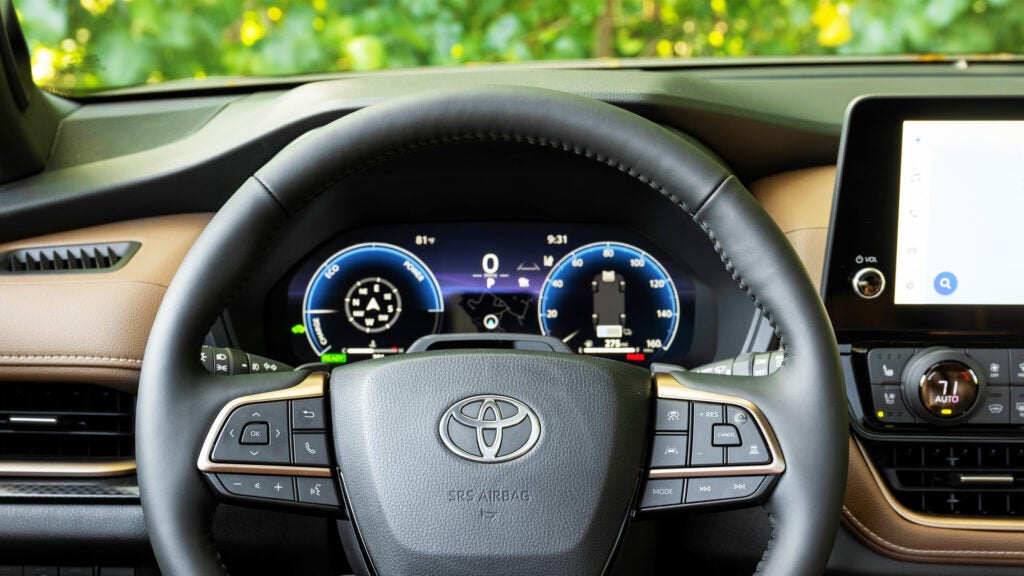
Whether you just drove a new Camry off the lot or you've been putting miles on your Tacoma for years, certain questions keep coming up. How do you reset that maintenance light? What does BSM actually mean? Why is the check engine light on? These are the kinds of questions Toyota owners in Prosper and across North Texas search for constantly, and the answers are usually simpler than you'd expect. This guide covers the most common things Toyota drivers run into, from key fob battery swaps to connecting your phone to the multimedia system. If you'd rather just have someone handle it for you, visit our service center and we'll take care of it. more How Do I Change My Toyota Key Fob Battery? Most Toyota key fobs (Camry, RAV4, Corolla) take a CR2032 3V lithium coin battery. Some older or specialty remotes use a CR2016 instead. Before you buy a replacement, check your owner's manual or just look at the battery that's already in there to confirm the right size. Step-by-Step: Replacing the Key Fob Battery Find the release button or slider on the back of the fob and slide out the mechanical key blade. Look for the small notch along the fob's seam and use a coin or flat screwdriver to gently pry the two halves apart. Lift out the old battery, note which side faces up, and press the new one in at the same orientation. Snap the fob back together, reinsert the key blade, and test it. If the fob still doesn't respond after the swap, check that the battery is seated correctly and that the contacts inside the fob are clean. If it still isn't working, the fob may need to be reprogrammed. A certified technician can handle that quickly and confirm everything is communicating properly. How Do I Reset My Toyota Maintenance Light? The "MAINT REQD" light is a mileage-based reminder, not an urgent warning. It's just telling you an oil change or routine service is due. Once that service is done, here's how to reset it. Pre-2018 Models Turn the ignition to ON without starting the engine. Use the trip button to display "Trip A." Turn the ignition OFF. Hold the odometer reset stem while turning the ignition back to ON. Keep holding until "000000" or "Complete" flashes on the display. Restart the vehicle to confirm the light is off. 2018 and Newer Models Navigate to Settings > Vehicle > Maintenance Reset through the multi-information display. If the light comes back quickly or the reset won't hold, there may be an incomplete service record or something worth having a technician look at. What Is BSM on a Toyota? BSM stands for Blind Spot Monitor. It uses radar sensors built into the rear bumper to watch the zones just outside your side mirrors. When another vehicle moves into that area, a yellow indicator lights up in the corresponding mirror. Activating your turn signal while something's detected makes the alert more noticeable. The system kicks in once your vehicle is traveling above approximately 10 mph and is standard or available across most current Toyota models, including the RAV4, Highlander, Camry, Tacoma, and Sienna, among others. Check your owner's manual to confirm BSM availability on your specific model and trim. It's usually paired with Rear Cross-Traffic Alert (RCTA), which watches for approaching vehicles while you're backing out of a parking space. That said, BSM doesn't replace actual mirror checks and shoulder checks; it's a supplement, not a substitute. You can adjust settings through the Multi-Information Display settings menu. On some models, a dedicated BSM button on the dashboard lets you toggle the system on or off directly. Check your owner's manual to confirm which method applies to your vehicle. If the BSM indicator stays on, check for dirt or ice buildup near the rear bumper first. Sensor obstructions are the most common cause. A fault that persists after cleaning should be diagnosed by a trained technician. How Do I Reset My Toyota Tire Pressure Monitor? The TPMS light turns on when one or more tires drops significantly below the recommended pressure. After inflating, the system usually needs a manual reset. Step-by-Step: Resetting the TPMS Inflate all four tires (and the spare, if applicable) to the PSI shown on the sticker inside the driver's door jamb. Check the pressure when the tires are cold. With the vehicle in park, turn the ignition to ON without starting the engine. On 2015 and newer models, go to Settings > Vehicle > TPMS > Reset through the Multi-Information Display. This is the standard method on most current Toyotas. On older models with a dedicated TPMS reset button, typically located under the dash or near the steering column and labeled "SET" or "TPMS," hold the button until the TPMS light blinks three times. Start the vehicle and drive above 20 mph for at least 10 to 20 minutes to let the sensors recalibrate. If the light stays on or keeps flashing after all that, a sensor may have a low battery or fault that needs professional attention. Why Is My Toyota Check Engine Light On? The check engine light means the onboard diagnostic system logged a fault code. Common triggers include a loose or faulty gas cap, an O2 sensor issue, or catalytic converter problems. Start with the simplest thing: check whether the gas cap is fully tightened. It's one of the most frequent causes, and once secured, the light often clears on its own after a drive cycle or two. If the light is solid and the car is running normally, the issue probably isn't urgent but still needs attention soon. A flashing check engine light is a different story. That typically points to an active misfire or engine fault, so back off the throttle and get the vehicle to a service center right away to avoid engine damage. The only reliable way to know what's going on is scanning for fault codes with an OBD-II scanner. Our service center uses Toyota factory scan tools for accurate diagnosis, so you're not guessing or replacing parts that don't need replacing. How Do I Connect My Phone to My Toyota's Audio Multimedia System? Toyota's Audio Multimedia system supports Apple CarPlay, Android Auto, and Bluetooth on most current models. Wired CarPlay or Android Auto: Plug your phone into the USB port with the appropriate cable and follow the prompts on both your phone and the touchscreen. Bluetooth pairing: Go to Menu > Setup > Bluetooth > Add Device on the touchscreen, then select your vehicle from your phone's Bluetooth list and confirm the pairing code. Wireless projection (newer Audio Multimedia systems): Pair via Bluetooth first, then enable wireless projection through the system settings. Connection issues are usually easy to fix. Make sure your phone's software is current and Bluetooth is enabled. If something still isn't working right, delete the existing pairing on both the vehicle and your phone, then start the pairing process from scratch. That resolves most problems. How Do I Schedule Toyota Maintenance and What Does ToyotaCare Cover? ToyotaCare is Toyota's complimentary maintenance plan that comes with every new Toyota purchase. It covers normal factory-scheduled maintenance for two years or 25,000 miles, whichever comes first, including: Oil and filter changes Tire rotations Multi-point inspections Toyota's factory warranty has multiple tiers worth knowing. The bumper-to-bumper warranty covers 36 months or 36,000 miles. The powertrain warranty extends further, covering 60 months or 60,000 miles. Hybrid models get additional coverage: the hybrid battery is covered for 10 years or 150,000 miles depending on model year and applicable regulations. ToyotaCare also includes 24-hour roadside assistance for 3 years and unlimited miles, covering towing, flat tire help, emergency fuel delivery, jump starts, and lockout protection. That roadside coverage runs one year beyond the maintenance plan itself, which is worth knowing if you're ever in a bind after your service visits are used up. To book your next appointment, schedule your service online through our website. You can also view your maintenance history and manage upcoming visits through the Toyota owners portal. Staying on schedule from the start is the best way to get full value from your ToyotaCare coverage. Our service center team is happy to walk you through what's covered and what's coming up for your specific vehicle. Get Fast, Friendly Toyota Service at Longo Toyota of Prosper We're here for Toyota owners throughout Prosper and North Texas, whether it's routine maintenance or something more involved. Our factory-trained technicians use genuine Toyota parts and factory-level diagnostic tools to get things done right the first time. Got a straightforward service need or an unfamiliar warning light? Contact us to reach the right department or book your next visit. We make it easy to keep your Toyota running the way it should.
Toyota Truck Hauling Trailer

Toyota Trailer Towing Guide

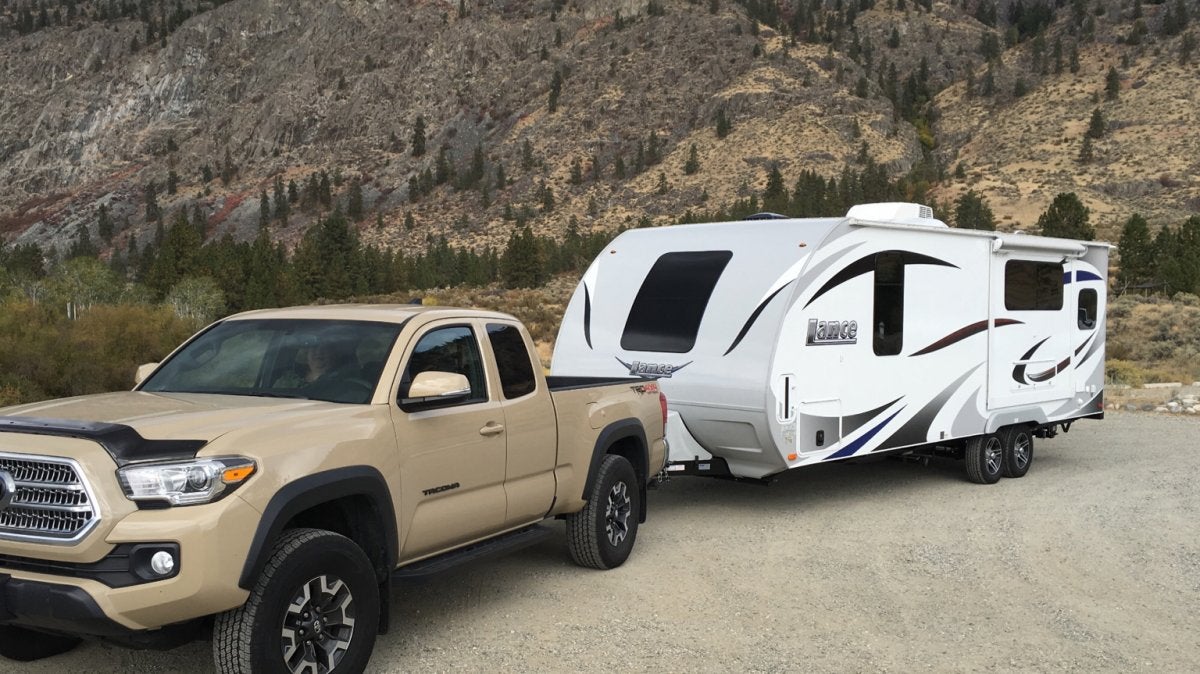
Toyota vehicles have long been renowned for their reliability, durability, and versatility. Among their many capabilities, towing is one that enhances Toyota vehicles' utility. Understanding the basics of towing with your Toyota can make all the difference, whether you need to haul heavy equipment, help a friend move, or tow a trailer for a weekend camping trip. This guide covers the essentials of Toyota trailer towing, highlighting the brand's unique features and which vehicles are best suited for towing. So buckle up and get ready to hit the road with your Toyota. more Understanding Towing Capacity Before exploring Toyota vehicles' towing capabilities, let's define towing capacity. Simply put, it refers to the maximum weight a vehicle can safely tow, including the trailer's weight, cargo, and passengers, without putting undue strain on its engine, transmission, and chassis. It's determined by engine power, transmission type, suspension, frame strength, and brakes. Most Toyota models have a towing capacity of between 1,500 and 12,000 pounds. The exact figure varies depending on the model, trim level, and additional features you may choose. Check your vehicle's owner's manual or consult a Toyota dealer to determine your vehicle's exact towing capacity. Exceeding the manufacturer's recommended towing capacity can seriously damage your vehicle and compromise your safety on the road. Toyota Towing-Capable Vehicles Toyota has several models capable of towing, from compact SUVs to full-size trucks. Here are some of the most popular: Toyota Tacoma: With a maximum towing capacity of 6,800 pounds, the Tacoma is perfect for hauling light to medium loads. Its powerful engine and rugged construction make it popular for off-road adventures in Prosper. Toyota Tundra: When properly equipped, the Tundra boasts an impressive maximum towing capacity of up to 12,000 pounds, making it ideal for heavy-duty tasks. Its robust V-6 engine and sturdy frame make it a top pick among full-size trucks. Toyota 4Runner: The 4Runner has a maximum towing capacity of up to 5,000 pounds and ample space for passengers and cargo. It's an excellent choice if you want a versatile SUV that can handle towing and everyday driving. Toyota Highlander: With a towing capacity of up to 5,000 pounds, the Highlander is another excellent option for those needing ample passenger space and towing capabilities. Your family will love its sleek design and comfortable interior. Toyota Sequoia: Toyota's largest SUV, the Sequoia, has a maximum towing capacity of up to 9,310 or 9,520 pounds when equipped with the integrated trailer brake controller. It's perfect if you're looking for a spacious, powerful vehicle that can handle heavy-duty towing. Toyota RAV4: The RAV4 may be a compact SUV, but it can still tow up to 3,500 pounds. Its fuel-efficient engine and versatile design make it an excellent choice for your family's everyday driving and light towing needs. Toyota Trailer Towing Features Toyota offers several unique features that enhance your towing experience and improve safety. Here are some of the most helpful. Integrated Trailer Brake Controller This feature is available on select models, such as the Tundra, and allows you to control the trailer's electric brakes from controls on the dashboard. This helps distribute braking power between the vehicle and trailer, ensuring smoother stops and reducing wear on the brake pads. Trailer Sway Control This system detects trailer sway and applies brake pressure to individual wheels to help maintain control. This can be especially useful in adverse weather conditions or when towing a heavy load. It's available on many Toyota models, including the Tundra, Tacoma, and 4Runner. Tow/Haul Mode This feature, equipped on select models such as the Tundra, adjusts the vehicle's transmission and throttle response to enhance towing performance. It also engages engine braking when descending steep grades, helping maintain control and reduce strain on the brakes. Backup Camera With Trailer Guidelines This feature, available on most Toyota models, displays a live feed from the backup camera and grid guidelines that help you align your vehicle with the trailer. This makes it easier to hook up your trailer and ensures a smooth and safe towing experience. Blind Spot Monitor With Rear Cross-Traffic Alert While not exclusively for towing, this technology is ideal when maneuvering with a trailer, helping you to detect vehicles in your blind spots. It's available on most new Toyota models, including the Tacoma, Highlander, and Sequoia. Four-Wheel-Drive Capability Many Toyota vehicles with towing capabilities also come equipped with four-wheel drive, enhancing traction and stability when hauling heavy loads or driving off-road. This feature is handy if you frequently tow in challenging terrain and weather conditions. Tips for Safe Towing With Your Toyota Towing can be a challenging task, even for experienced drivers. Here are some tips to help ensure a safe and successful towing experience with your Toyota: Verify your vehicle's towing capacity and ensure your trailer and cargo fall within these limits. Install the appropriate hitch and wiring harness as recommended by Toyota. Check and adjust tire pressure on both your Toyota and the trailer. Inspect all lights and signals to ensure they're functioning correctly. Distribute the trailer's load evenly to maintain proper weight distribution. Familiarize yourself with your Toyota's towing-specific features and how to activate them. Allow extra braking distance and avoid sudden maneuvers or quick lane changes when driving. The added weight can affect your vehicle's handling, so drive cautiously and anticipate potential hazards on the road. Use safety chains when towing to prevent the trailer from detaching in case of an accident or emergency. Double-check all connections before hitting the road to ensure they are secure. Test-Drive a Toyota Towing-Capable Vehicle at Longo Toyota of Prosper Toyota has you covered whether you're looking for a vehicle that can handle occasional trips with a small trailer or require something more heavy-duty for work. Its impressive range of towing-capable vehicles and innovative features designed specifically for towing make Toyota a top choice among drivers needing dependable and capable vehicles. Visit us at Longo Toyota of Prosper to test-drive one of our towing-capable Toyota models and experience the quality and performance for yourself. Our knowledgeable staff will be happy to answer any questions you may have about financing or maintenance for your new Toyota.

Inside of a car driving through the rain

How Do I Check My Toyota's Wiper Fluid?

Windshield wiper fluid, also known as windshield washer fluid, helps you clean your windshield on command from the driver's seat. Washer fluid contains water, ammonia to improve cleaning capacity, and alcohol to avoid streaks and frost formation. When mud or other substances cloud up your view forward, you may need to use your fluid and wipers to help wash the glass. Let's cover all you'll need to know about a Toyota's windshield wipers and fluid. more How Do I Check My Wiper Fluid on my Toyota? Windshield washer fluid isn't normally something you check on a car, in the same sense as checking oil for when to replace it. However, it's normal to check the volume in the reservoir and top it off to full. Here is the procedure to check and refill the wiper fluid in your Toyota: Leave the vehicle parked. Turn the engine off and disengage the parking brakes. Pull the release lever situated beneath the left side of the dashboard to open the hood. Proceed to the front of the car and depress the safety lever beneath the hood to open it. Look for the reservoir. You should see a windshield wiper symbol on the top of the cap. Remove the cover and put it somewhere secure if it isn't looped into place. Place a clean funnel into the windshield washer fluid container. Fill to the line marked "Full" with windshield washer fluid. If there isn't a mark, fill to about two inches below the cap. Squeeze the cap closed again. Start the automobile and test the windshield wipers by pressing the wiper stalk. The windshield washer fluid may take a few seconds to spray on the glass. If there is no fluid spraying on the windshield, you may have a damaged fluid line, a malfunctioning windshield washer fluid pump, or a blown fuse. We recommend visiting a service center in Prosper to get these problems diagnosed and fixed before they become a bigger pain. Contact Our Service Department for Assistance Why Checking Wiper Fluid Is Important Image via Unsplash by Charlie Deets Windshield wiper fluid is handy for more than cleaning the glass. It's a system that lets you regain visibility quickly, even while driving at higher speeds, so the fluid needs to work with the blades and rinse everything off as soon as possible. This is why windshield washer fluids with lubricants and other helpful additions work better than plain water. There may be markings that show what volume is low, moderate, or full. If not, most reservoirs are clear and hold up to a gallon of fluid, so it's rather obvious when they're low or empty. If you let the wiper fluid in your Toyota go completely empty, not only will it not be available to help wash the windshield, but the plastic and other materials can overheat and degrade. Then, even when you do refill, it might leak out over time or fail to spray out. When you can't get a mess off your windshield, it can be stressful and may even force you to pull over. If you repeatedly have to refill your wiper fluid, it could be because of a leak, so we recommend contacting us to set up a service appointment and diagnose the exact cause. Can I Just Use Water for my Toyota's Windshield Wiper Fluid? Designated windshield wiper fluid solutions are made to sit in the reservoir and do their job effectively. By comparison, you can use water to partially refill the reservoir, but it's not recommended in the long run. It isn't suited to remain in the reservoir as long and doesn't have some of the beneficial features for cleaning. Regularly using water instead of windshield wiper fluid can result in issues like: Higher chance of windshield frost formation. Freezing and damage to washer components in cold weather. Bacteria and fungi growth. Premature wiper blade wear. Washer pump failure. How to Keep Toyota Windshield Wiper Wash System in Top Shape Apart from having enough windshield washer fluid, the nozzle and other components have to be working effectively. Let's look at a few tips to keep your Toyota or other vehicle's wiper washing system in top condition. Don't use the washers if the fluid is low or empty to avoid stressing the system. Use proper windshield washing fluid instead of water to protect your system's parts. Refill in between the season changes to prepare for them. Some fluids are designed for winter, others for summer. Don't spill washer fluid on a hot engine. The alcohol can ignite, so try to refill when the engine is cold. When Should the Fluid Be Replaced? Apart from refilling when the fluid is low, there are no hard and fast rules about when to replace it. Still, one effective plan for the average car is to refill every six months. Many tasks available at our automotive service center can include us checking your reservoir and topping it up if necessary. Keep in mind that you don't always have to use wiper fluid to clean up your windshield. If you can see reasonably well and have the opportunity to wash or squeegee your car, that will work even better. Consider wiper fluid the quick option worth saving for when you need it. When Should Toyota Wiper Blades Be Replaced? Luckily enough, the average time to replace rubber windshield wiper blades is also once or twice a year. The common signs you need to replace your Toyota's wiper blades are squeaking wipers, cracked or chipped rubber, or the wipers simply not cleaning like they used to. For all sorts of general maintenance, you can save time and get peace of mind with a reliable dealership service center, like the one at Longo Toyota of Prosper. Our certified Toyota experts can get your vehicle in top condition. Even if you're trying to sell your car in Prosper, our service specials can raise your vehicle's value and selling price significantly. Our sole mission is to help folks all over the North Dallas region buy, maintain, and afford a better Toyota.

How To Change Your Toyota's Oil

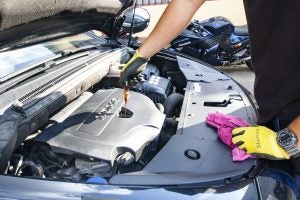
If you've ever had oil trouble, you may understand how valuable it is to know how to change your own oil. Whether at home or in the middle of a long road trip, if your oil warning light comes on, this skill can help you manage the situation and get back on the road. Here at Toyota, we love to empower our customers with car solutions, so we've created a guide for how to change the oil of your Toyota yourself in seven steps. more Contact Our Service Department to Change Your Oil Assemble The Proper Supplies Oil Engine Changing By Skica911 Is Free To Use Under The Pixabay License If you know it's time for an oil change, the first thing you need to do is assemble the proper supplies. You'll need both new oil and a new oil filter. You can check your Toyota owner's manual to learn about what type of oil and filter it recommends for your vehicle. If you have questions, you can always give us a call. Other useful tools for this job include a wrench set, a funnel, an oil pan, and a rubber mallet. Safety goggles are also a good idea, as they can protect your eyes from any oil that might splatter during the process. Finally, consider wearing a pair of old clothes that you wouldn't mind getting oil stained, and bringing a few rags you can use to wipe your hands and car parts. Warm Up The Oil Once you've assembled your tools, run your engine for approximately five minutes. This will warm the oil to the ideal temperature for an oil change. It's best if the oil is warm rather than hot, so if you've driven the car that day already, it may be helpful to wait half an hour instead. This allows the oil to cool to the proper temperature. Once you've done so, turn off your car and remove the key before moving on to the next step. Drain The Oil To drain the oil, you'll need to find the oil filter and drain plug. These are located in different places on different cars, so if you're unsure where to look, check the owner's manual. In some cases, the drain plug is located beneath the car, so you may have to raise it to gain access. If this is the case for you, you may be able to reach it by crawling under the car. If not, you can use a car jack and raise your vehicle the same way you would to change a tire. Once you've located the drain plug, which resembles a large nut or plug, place your oil tray below it, unscrew the plug, and pull it away, allowing the oil to drain out into the oil tray. As you do so, be ready to move your hand out of the way of the draining oil once you remove the cap. You may also wrap your hand in a rag to protect it from falling or splattering oil. After the car has drained, you may clean the oil plug with a rag before screwing it back into place. Replace The Filter Next, find the oil filter located at the top of the engine and remove it, along with the accompanying rubber gasket. If the oil filter cap is too tight to remove by hand, use a wrench. You can drain the old filter into the oil pan before discarding it. Next, take out your new filter and use a finger to smear some oil on the gasket on top. Then, insert the new filter where the old one was before. You can follow the instructions that accompany the filter to ensure you do this correctly. Add The New Oil To add new oil to your Toyota, open the hood of your car and unscrew the oil cap. You can identify the oil cap by the oil-can symbol. Next, pour in new oil slowly, using a funnel to help reduce mess. Your owner's manual includes information about the type of oil and how much you should add or you can search your car model online. Check The Oil Make sure you've added the proper amount of oil by using a dipstick. To do this, take the dipstick out of its tube and wipe it clean with a rag or paper towel. Then, slide it down into the oil receptacle and pull it out again. Make sure the line that marks how high the oil went matches the full marking on the dipstick. If the oil mark is low, add a little more oil, wipe the dipstick clean, and check the level again. Once the oil level is correct, replace the oil cap. Run The Engine After adding oil, turn on your car and run the engine for one minute, then turn it off and check around the oil filter cap to ensure there are no leaks. Soon, the oil light is likely to go out. You may now remove the oil drain pan from under the car and tidy up any other tools that you may have lying around. You can set aside the old oil and oil filter to take to an oil-recycling center or auto parts store for proper disposal. Next, it may be helpful to test drive your car for five to ten minutes. When you're done, check the oil level again. If the level is still at the "Full" mark, that indicates that no oil is leaking and everything is functioning as it should. This means that your oil change was successful and you're ready to hit the road. Congratulations, you now know how to change the oil of your Toyota yourself. If you have any questions, you can always contact us at Longo Toyota of Prosper. We've got all the car parts you may need and will be happy to offer service tips and tricks. Give us a call at 972-347-4952 or drop by at 2100 W University Dr, Prosper, Texas, 75078. Feeling nervous about performing your own oil change? Don't sweat it. Schedule a service visit at our local dealership, and our trained professionals will be more than happy to help.

Contact Us

Fill out this form below and we'll contact you shortly
*Required Fields