

Longo Toyota of Prosper

Blog / Comparison

Blog

All Comparison Local New Inventory Car Tips Review Car Maintenance Tips DIY Hybrid Prosper Toyota Dealer Prosper Toyota Service Prosper Used Cars
2025 Toyota Tacoma vs. Honda Ridgeline

2025 Toyota Tacoma vs. Honda Ridgeline

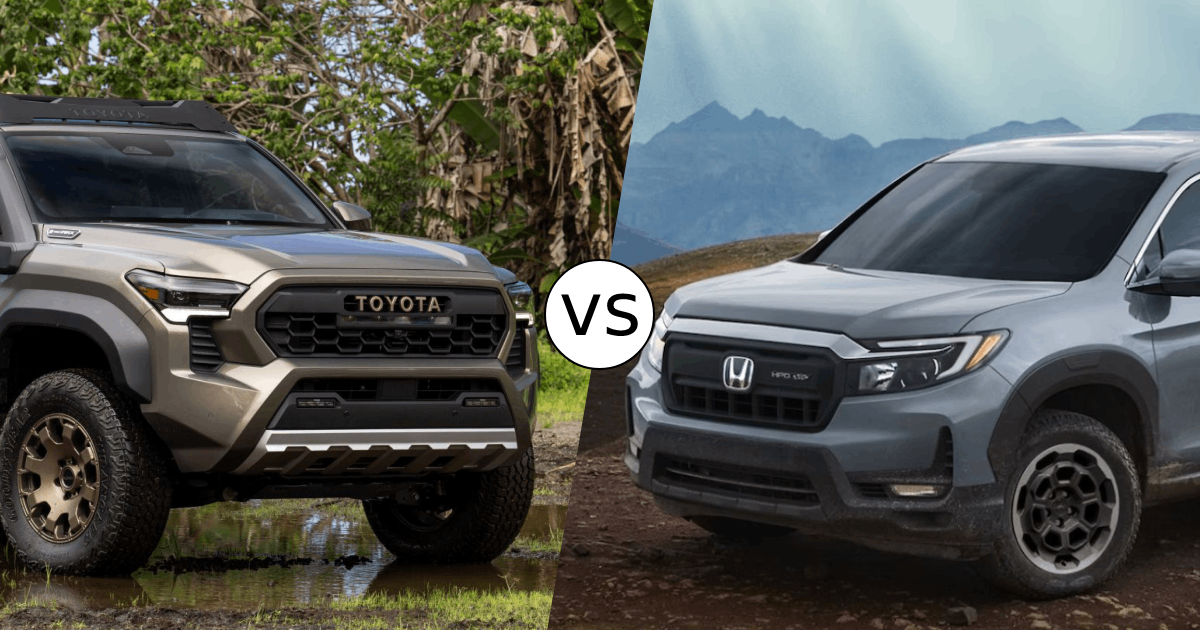
If you're looking for a new midsize truck that can handle the demands of North Texas, there's a good chance you're torn between the 2025 Toyota Tacoma and the Honda Ridgeline. While both trucks are capable of tackling the gravel trails outside of Prosper and busy commutes down Highway 380, there are some key differences worth considering. The Longo Toyota of Prosper team compared these trucks side-by-side to make your decision easier. more Performance and Capability There's a lot to consider as we compare engines. Toyota completely overhauled the Tacoma this year, turning it into an off-road-ready machine. The nonhybrid model comes equipped with a 278-horsepower turbocharged four-cylinder engine, while the hybrid variant boasts 326 horsepower. When pitted up against the Ridgeline's 280-horsepower 3.5-liter V-6, the Tacoma's gas-powered engine falls shy by the slightest margin. However, the Tacoma's hybrid model is the clear winner in terms of performance and fuel efficiency. The Tacoma also beats the Ridgeline in terms of towing capacity. The gas model hauls up to 6,500 pounds with ease, achieving a max payload of 1,709 pounds. Meanwhile, the Ridgeline manages just 5,000 pounds with a max payload of 1,600 pounds. If the Dallas North Tollway is part of your daily commute, you'll appreciate the Tacoma's smooth handling, especially when you tack on the available rear coil-spring suspension. Even the gas-powered Tacoma achieves better gas mileage than the Ridgeline, with estimates of 21 mpg in the city and 23 mpg on the highway. Comparatively, the Ridgeline gets 18 mpg in the city and 24 mpg on the highway. It might seem like a small difference, but it's one that adds up quickly if you're driving back and forth between Dallas, Plano, and Frisco. Truck Bed Configurations and Utility The 2025 Tacoma offers a long six-foot bed across the lineup, with a shorter five-foot version available if you opt for the Double Cab variant. The Ridgeline, however, only comes in one configuration: a four-door crew cab with a five-foot bed. For contractors who need to transport large building supplies, the longer six-foot bed on the Tacoma is the obvious choice. It's also worth pointing out that the Ridgeline's five-foot bed provides 34 cubic feet of space, offering one of the lowest volumes in the entire mid-size truck segment. To offset this, Honda installed an in-bed trunk under the bed's floor that adds an extra 7.3 cubic feet of capacity, but it's less convenient than the Tacoma's setup. Interior Comfort and Technology The biggest difference between the interiors of the 2025 Tacoma and Ridgeline comes down to seating and cab choices. The Tacoma offers a flexible range of options to suit the needs of different drivers. For individuals who usually commute to work solo, the XtraCab provides enough room for two passengers. If you need more room to pick the kids up from school, opt for the Double Cab to get seating for up to five people. Meanwhile, the Ridgeline comes in just the one four-door crew cab option we mentioned above, with seating for five. The revamped Tacoma gets several nice upgrades, including a raised seating position, extra headroom, and an adjustable steering column. It also has many standard features, including an 8.0-inch infotainment system, wireless Apple CarPlay, and Android Auto. Available features include a larger 14.0-inch display, a wireless charging pad, and a JBL audio system. The Limited trim also comes with a head-up display and heated and ventilated front seats to stay comfortable all year long. This year, the Ridgeline focuses more on practical comfort than innovative tech features. Throughout the cabin, you'll find a lot of hard plastic, but it does have a few usability elements that help make up for its limited truck bed volume. The 60/40 split rear seat opens up enough room to fit an adult-sized bicycle. It also comes with a slightly bigger 9.0-inch infotainment screen. Standard tech features include Apple CarPlay, Android Auto, and wireless charging. Upgrade to the TrailSport or Black Edition to get a built-in navigation system. Pricing, Warranty Coverage, and Reliability When we take a look at the 2025 Ridgeline vs. Tacoma reliability ratings from J.D. Power, it's a toss-up. Both models earned an impressive 81 points out of 100 in their overall scores. However, the Tacoma holds a stronger resale value, earning 96 points compared to the Ridgeline's 86 points. At $40,150, the Ridgeline's starting price is also much higher compared to the Tacoma's starting price of just $31,590. Warranty coverage is comparable, with both automakers offering a limited warranty for the first three years or 36,000 miles and a powertrain warranty for the first five years or 60,000 miles. However, Toyota includes complimentary maintenance for the first two years or 25,000 miles, while Honda caps this at two years or 24,000 miles. Toyota also offers comprehensive protection plans and rotating specials on new vehicles, making the Tacoma a more affordable and reliable option all around. 2026 Toyota Tacoma vs. Honda Ridgeline: Key Specs at a Glance Before we wrap things up, let's recap with a quick comparison chart to show how the Tacoma and Honda stack up side-by-side: Category 2025 Toyota Tacoma 2025 Honda Ridgeline Base Engine 2.4-liter turbocharged four-cylinder 3.5-liter V-6 Horsepower 278 hp (gas) / 326 hp (hybrid) 280 hp Towing capacity Up to 6,500 lbs Up to 5,000 lbs Payload Capacity 1,709 lbs 1,600 lbs Fuel Economy (MPG) 21 city / 23 highway 18 city / 24 highway Cab Configurations XtraCab (2-passenger) or Double Cab (5-passenger) Crew Cab (5-passenger) Truck Bed Options 5-foot or 6-foot bed 5-foot bed Starting Price $31,590 $40,150 The Final Verdict: Which Truck Wins? Still debating whether the Toyota Tacoma or the Honda Ridgeline deserves a spot in your driveway? The best way to decide is with a test drive. Schedule your visit with us online or stop by Longo Toyota of Prosper next time you're in the area. Our team will be happy to show you the latest features in the Toyota lineup so you can choose the right truck to hit the trails in Texas.

2025 Toyota Camry vs. Chevy Malibu

2025 Toyota Camry vs. Chevy Malibu

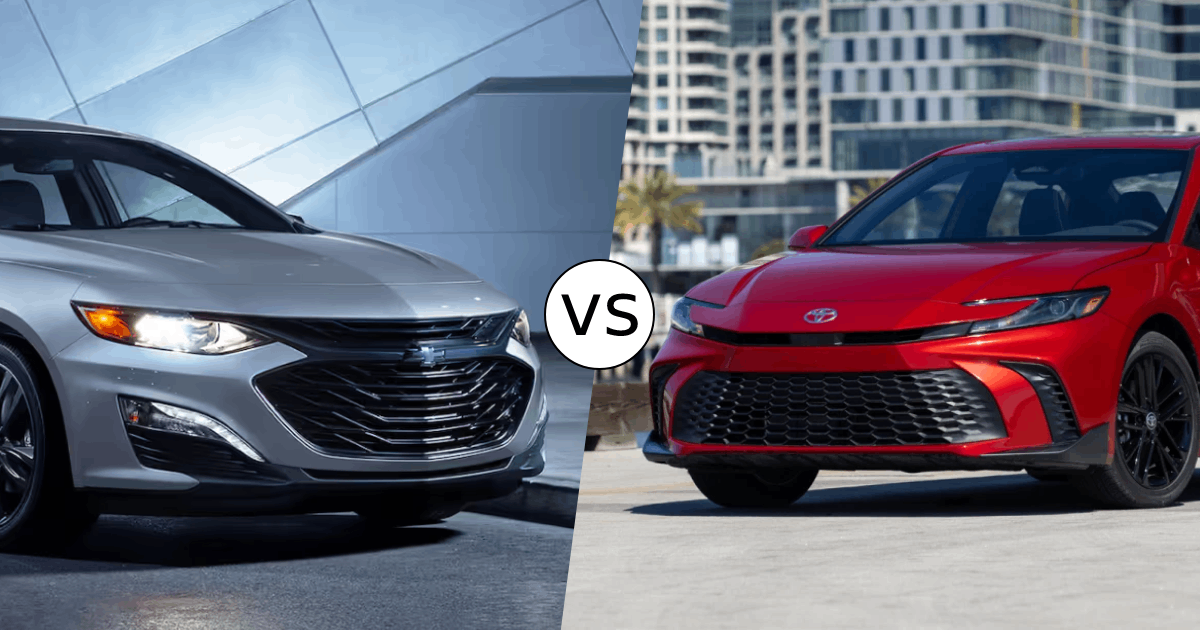
If you're looking for an affordable and reliable midsize sedan in Prosper, Texas, the Toyota Camry and the Chevy Malibu will likely make the list. While both can seat five people, they differ in areas like fuel efficiency and powertrain options, which could make choosing between them difficult. How do these cars face off, and which one is a good buy? Our team at Longo Toyota of Prosper has written this 2025 Chevrolet Malibu vs. Toyota Camry comparison to help you decide. more 2025 Toyota Camry vs. Chevrolet Malibu: Complete Midsize Sedan Showdown The 2025 Toyota Camry and Chevy Malibu suit both families and individuals who prioritize tech-rich interiors with various comfort features. Here's a rundown of these models and why they are so popular among drivers in Prosper, Texas. Quick Comparison Overview The release of the 2025 Toyota Camry in 2024 marked the beginning of the model's ninth generation. While this vehicle features the same platform as its predecessor, it has a redesigned and more attractive exterior. With its new hammerhead front fascia and sleeker LED headlights, the car commands attention, whether cruising down Preston Road or the Dallas North Tollway. The new Camry comes in over 10 exterior colors, including Celestial Silver Metallic and Reservoir Blue. Plus, you have four trim levels to choose from, including the LE, SE, XLE, and XSE. Like its Toyota rival, the 2025 Chevy Malibu features a refreshed exterior design with angular LED headlights and a new, bold front grille. However, it has seven exterior paint options, so the Camry has the advantage in this category. Chevrolet sells the Malibu in four trim levels, including the LS, RS, 1LT, and 2LT. Performance and Engine Specifications Breakdown The 2025 Toyota Camry and Chevrolet Malibu use different powertrains, which gives the former the upper hand in performance. The Camry comes with a hybrid powertrain that combines a 2.5-liter four-cylinder engine and an electric motor. In front-wheel drive, it delivers 225 horsepower and 163 lb-ft of torque. This delivers quick acceleration and smooth performance, which can be handy in stop-and-go traffic on US 380. For the first time, the hybrid Camry is available with all-wheel drive (AWD). The system produces 232 horsepower, providing more power and traction for navigating wet Prosper roads with confidence during the winter. In contrast, a 1.5-liter turbocharged four-cylinder engine powers the Chevrolet Malibu. Producing 163 horsepower, the engine provides a smooth driving experience thanks to an efficient continuously variable transmission (CVT) and front-wheel drive. The Malibu lacks an AWD system on all trims. This means it might not be the best vehicle for winter driving. Fuel Economy and Real-World Efficiency The Toyota Camry hybrid powertrain offers excellent fuel economy of 53 mpg city and 50 mpg highway. This makes the vehicle perfect for daily commutes to work and frequent shopping trips to The Gates of Prosper. On the other hand, the 2025 Malibu has a fuel economy of 28 mpg city and 36 mpg highway. While this is more efficient than some gas-powered sedans, it's no match for the Camry. Interior Space and Comfort In terms of interior space and comfort, the Toyota Camry and the Chevy Malibu are evenly matched. The Toyota model focuses on functionality and passenger comfort, offering features such as dual-zone automatic climate control to help occupants set their preferred temperatures. Upper Camry trims have 8-way power-adjustable front seats, which enable you to personalize your driving position and enhance comfort during long drives. You will also find smart storage features, such as cupholders that accommodate small water bottles and soda cans, for added convenience. Remote start comes standard, and there are several USB ports and other convenience features to enhance every drive. Similarly, the 2025 Chevrolet Malibu presents various comfort and convenience features. These include heated and ventilated front seats to keep you comfy in varying weather and dual-zone automatic climate control. The car boasts an acoustic laminated windshield that dampens road and traffic noise to create a quieter cabin environment. Some Chevy Malibu models come with leather-wrapped steering wheels, which enhance the cabin's appearance and provide a comfier, more secure grip. The car also has remote start, which allows you to start the engine before entering the car to condition the cabin to your preferred temperature. Technology Features and Infotainment Systems The 2025 Camry and the Chevy Malibu come with advanced tech features that boost safety and convenience. Toyota Safety Sense 3.0 Suite vs. Chevy Safety Assist Toyota's Camry has the new Toyota Safety Sense 3.0 Suite, which includes features such as: Pre-Collision System with Pedestrian Detection: Warns you and may apply the brakes after detecting obstacles like other vehicles and pedestrians to protect you from accidents. Dynamic Radar Cruise Control: Adjusts the vehicle's speed to enable you to maintain a safe distance from the car ahead, preventing collisions. Road Sign Assist: Detects road signs and displays relevant icons on the information display, increasing driver awareness. The Malibu comes with the Chevy Safety Assist, which includes driver-assistance features such as: Front Pedestrian Braking: Detects pedestrians in the vehicle's path and automatically brakes to prevent a collision. Lane Keeping Assist: Monitors lane markings and prevents you from drifting out of your lane. Infotainment Screen Size and Functionality Both the Chevy Malibu and the 2025 Toyota Camry have 8-inch touch screens with wireless Android Auto and Apple CarPlay for seamless smartphone integration. With this, you can access your favorite audiobooks and enjoy more memorable driving experiences. Toyota Camry vs Chevrolet Malibu: Which Is Better? As we've seen, the Toyota Camry beats the Chevrolet Malibu in several key areas, including fuel efficiency and performance. This makes it the clear winner in this showdown. Planning to buy the 2025 Camry? Browse our new Toyota inventory to find a model that matches your needs and contact us to schedule your test drive.

2025 Toyota RAV4 vs. Nissan Rogue

2025 Toyota RAV4 vs. Nissan Rogue

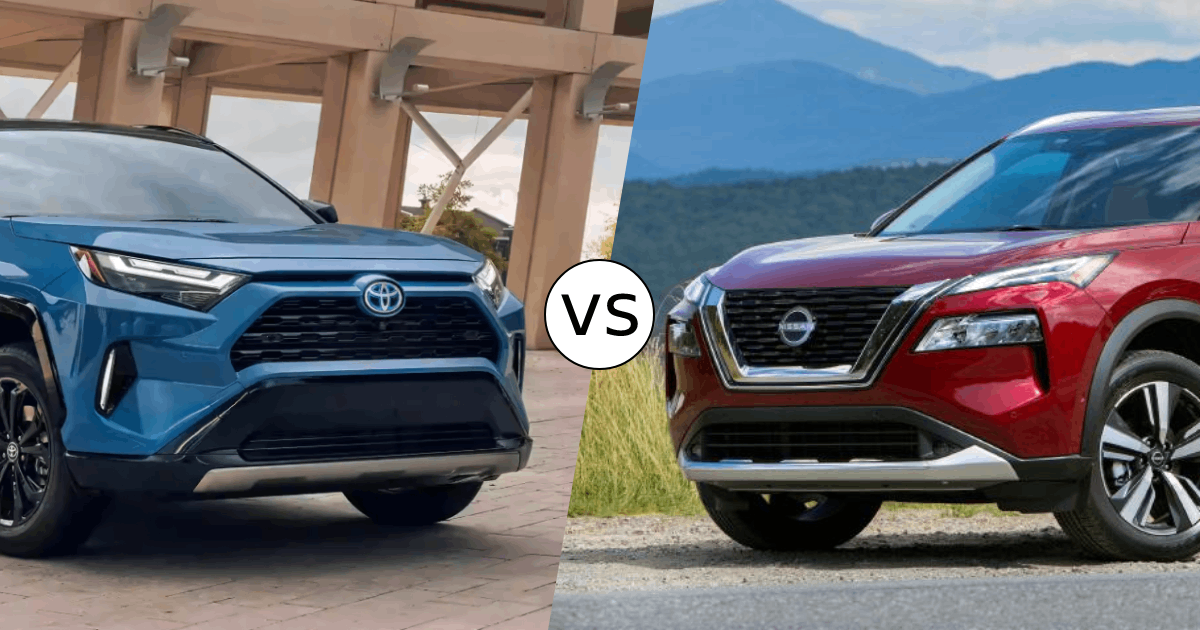
Here in the Dallas–Fort Worth area, compact SUVs like the Toyota RAV4 and Nissan Rogue are especially popular among local families and commuters who need both comfort and capability. The RAV4, winner of the Kelley Blue Book Best Resale Value Award for 2024, offers powerful engine options, hybrid availability, and excellent safety ratings. The Nissan Rogue, ranked as the #1 compact SUV by MotorTrend for three consecutive years, offers advanced interior tech, standard intelligent all-wheel drive, and spacious rear seating. This guide compares the Nissan Rogue vs. Toyota RAV4 to help you decide which may be the best SUV for your needs. more Pricing and Value: Which Offers More Bang for Your Buck The 2025 Nissan Rogue starts at an MSRP of $28,790, making it slightly more affordable upfront compared to the Toyota RAV4, which has a starting price of around $29,800. While the Rogue offers a lower entry price and comes standard with all-wheel drive, the RAV4 compensates with a more powerful engine, hybrid variants, and strong long-term reliability. Buyers looking for fuel-efficient hybrid options and proven durability might find the RAV4 offers better value despite the small price premium. On the other hand, budget-conscious shoppers may appreciate the Rogue's competitive base pricing alongside its rich standard features. Performance Under the Hood: Engine and Drivetrain Analysis The RAV4's 2.5-liter inline-4 engine produces 203 horsepower and 184 lb-ft of torque paired with an 8-speed automatic transmission. The Rogue uses a 1.5-liter three-cylinder turbo engine that produces 201 horsepower and 225 lb-ft of torque paired with a CVT transmission. Both models are equally speedy: the Toyota boasts a 0-60 mph time of around 8.3 seconds, or 7.4 seconds with the hybrid, while the Nissan is rated at 8 seconds. Both models are standard front-wheel drive, but all-wheel drive is optional for better handling in poor weather. Although the Rogue's variable compression turbo engine is innovative, some drivers report the CVT transmission to be less reliable over time than the RAV4's traditional automatic. Fuel Economy Face-Off: MPG in City and Highway Driving Whether you're running errands around Prosper or heading down Highway 380, both SUVs deliver great gas mileage to keep your trips efficient. The Toyota RAV4 earns class-competitive fuel-economy estimates from the EPA, including an estimated 27 mpg city and 35 mpg highway for the gas trims or 38 mpg city and 35 mpg highway for the hybrid model. The Nissan, with its turbocharged three-cylinder engine, is rated at up to 30 mpg city and 37 mpg highway, but offers no hybrid model. Choosing all-wheel drive drops these figures to 28 mpg city and 35 mpg highway, putting it in line with the RAV4 AWD. For more information about the RAV4 or Rogue's fuel economy, visit the EPA's website. Interior Space and Comfort: Passenger and Cargo Capacity Both models seat up to five passengers comfortably, but use the similarly sized space inside a little differently. The 2025 Toyota RAV4 offers 41.0 inches of legroom in front and 37.8 inches at the rear. The 2025 Nissan Rogue offers a slightly more roomy 41.5 inches of legroom in the front but less in the rear (38.5 inches), which may be a consideration for families with older kids or who want to future-proof their SUV. Both provide plenty of space for passengers on short or long drives. Cargo space is near-equivalent between both vehicles. The 2025 Toyota RAV4 offers 37.5 cubic feet of cargo space behind the second row and expands to a maximum of 69.8 cubic feet with the rear seats folded down, so there's plenty of room for luggage, sports equipment, and other gear. The Nissan has slightly less space (36.5 cubic feet) behind the second row but a larger maximum capacity of 74.1 cubic feet with the rear seats folded down. Technology and Safety Lower Toyota trims come with a standard 8.0-inch touchscreen, but a 10.5-inch display is optional on the XLE Premium or standard on the Limited trim. It offers a 4G LTE mobile hotspot and wireless Apple CarPlay and Android Auto compatibility for smartphones. Optional features include a JBL premium audio system, a navigation system, and a wireless charging pad, which many modern families appreciate. Most trims come with a separate 7.0-inch digital gauge cluster, but a 12.3-inch fully digital gauge display comes standard on the Limited models. In comparison, Nissan offers the same-sized standard 8.0-inch screen on the base, but SL and Platinum models sport a larger 12.3-inch screen. Apple CarPlay and Android Auto are standard, while in-dash navigation and a Bose stereo system are available. It also includes a wireless charging pad and a separate 12.3-inch reconfigurable digital gauge cluster, but only on the higher SL and Platinum models. Toyota also comes complete with more standard safety tech, including standard adaptive cruise control, whereas Nissan offers this as a paid-for option. Blind-spot monitoring with rear cross-traffic alert is optional on Toyota's base but standard on the rest and standard for Nissan. Both models receive decent ratings from the IIHS and a five-star overall rating from the NHTSA. Final Verdict: Which SUV Wins for Your Needs Out of the RAV4 vs. Rogue, the 2025 Toyota RAV4 is the better all-round choice for those who want a powerful engine and excellent long-term reliability and resale value. The Nissan Rogue appeals to buyers looking for a tech-rich and comfortable cabin with advanced standard features. For most drivers looking for balanced performance, fuel economy, and proven dependability, the Toyota RAV4 wins slightly over the Nissan Rogue in the 2025 compact SUV segment. If you'd like to experience the new Toyota RAV4 for yourself, visit Longo Toyota of Prosper for a test-drive today.

2025 Toyota Tacoma i-Force MAX vs. Tesla Cybertruck

2025 Toyota Tacoma i-Force MAX vs. Tesla Cybertruck

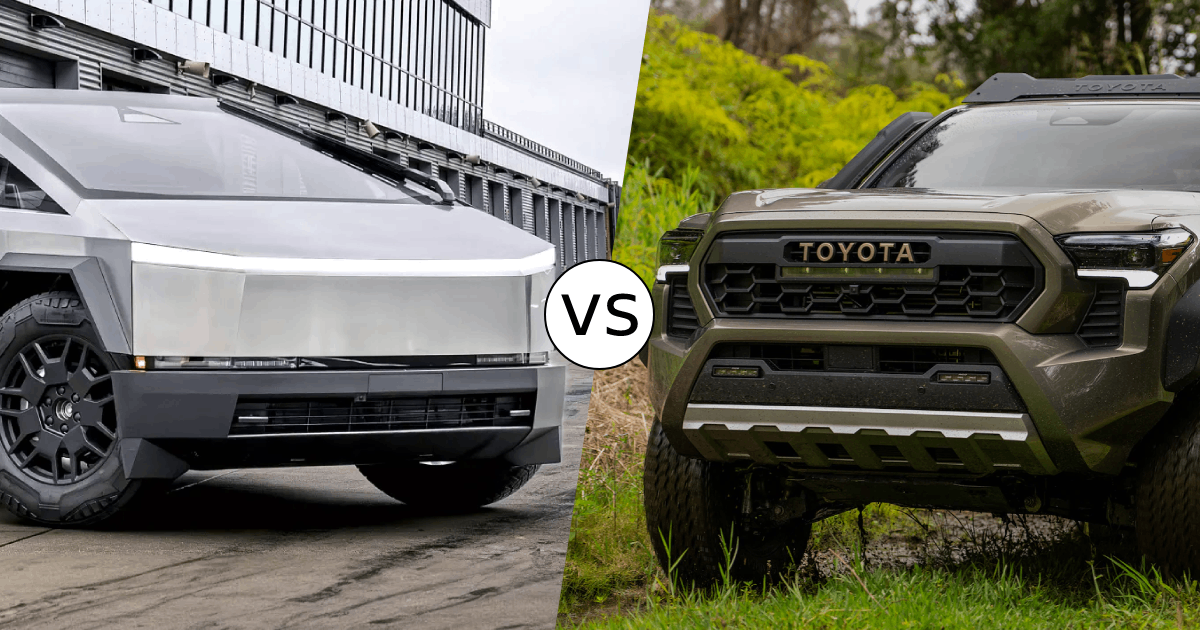
The 2025 Toyota Tacoma i-Force MAX and Tesla Cybertruck are two very different mid-size pickups to hit the market. The Tacoma hybrid combines a turbocharged 4-cylinder engine with electric assistance for practical power and efficiency, while the Cybertruck has a futuristic design and uses innovative electric motors for maximum performance. This guide compares the strengths of Toyota's proven hybrid technology with Tesla's electric innovation to help you decide the better choice for your needs. more Powertrain Performance Analysis The primary difference between the Toyota Tacoma vs. the Tesla Cybertruck is that the former is a hybrid and the latter is an all-electric model. This affects performance and fuel efficiency, so it is worth keeping in mind. The 2025 Tacoma i-Force MAX features a 2.4-liter turbocharged 4-cylinder engine paired with a hybrid electric motor. Combined, it can produce up to 326 horsepower and 465 lb-ft of torque. This makes it the most powerful Tacoma ever, boasting smooth, almost instant torque from the hybrid system and improved fuel efficiency compared to its gas counterpart. The engine pairs with an 8-speed automatic transmission and standard four-wheel drive for tackling tougher terrain off paved roads. The hybrid achieves a 0-60 mph time of 7.6 seconds, which makes it feel quick and adequate for most everyday driving and road conditions. The Tesla Cybertruck offers multiple powertrain variants, with the most common dual-motor AWD setup producing 600 horsepower and 521 lb-ft of torque. The top-tier tri-motor version delivers 845 horsepower and 864 lb-ft of torque. Acceleration is impressive, with 0-60 mph times as quick as 2.6 seconds for the Cyberbeast trim, which is incredibly quick for a giant truck of its size. Tesla's electric drivetrain ensures instant torque and smooth delivery over a broad range of speeds. Towing and Payload Capabilities When it comes to towing and payload capacity, the Tesla wins hands down. The Tacoma's maximum towing capacity is 6,000 pounds with the hybrid i-Force MAX, whereas the Tesla's maximum capacity is up to 11,000 pounds. The Toyota has a payload of up to 1,460 pounds, while the Cybertruck can carry up to 2,500 pounds, due to its larger size and stronger build. Despite the Tacoma's lower towing and payload specs, it's still one of the best hybrid trucks for towing. Its lighter weight and smaller size make it easier to handle in tight off-road situations, while the Tesla is better suited for hauling heavier trailers, but it can feel like more of a beast to maneuver. For some drivers, this may be an important factor when deciding which truck is better for their needs. Off-Road and Terrain Performance Both models hold their own when it comes to off-road capability, just in their own ways. The Tacoma TRD Off-Road and i-Force MAX trims are equipped with specialized off-road suspension, skid plates, Crawl Control, Multi-Terrain Select, and massive 33-inch tires. It offers excellent performance in even the most rugged conditions. Its nimble footprint, durable build, and proven suspension components make it a favorite among off-road enthusiasts. Tesla's Cybertruck has an adjustable air suspension system, four-wheel steering, and “Wade Mode” for water fording, which allows the truck to drive through shallow water. It's designed for rock crawling and trail performance with high ground clearance but is heavier and larger than the Tacoma, which may affect it's agility in narrow or technical trails. The Tacoma, in comparison, has a compact frame and refined off-road tuning that gives it an edge on more technical trails. Pricing and Value Proposition The Toyota Tacoma i-Force MAX starts at around $47,815 MSRP for the TRD Sport, offering a good balance of power, hybrid efficiency, off-road capability, and traditional pickup utility. The Tesla Cybertruck's starting MSRP is significantly higher, at $72,235, reflecting its advanced electric technology and premium features. The TRD Off-Road model generally offers the best value with its composite front skid plate for extra underbelly protection and 17-inch wheels with all-terrain tires. The Audio Multimedia Upgrade package is worth the extra cost as it replaces the TRD Off-Road's standard 8.0-inch screen with a larger 14-inch one. That being said, there is a flip side to the coin. Tacoma owners benefit from lower maintenance costs associated with proven hybrid technology and an extensive dealer network. Fuel savings are moderate but steady with the hybrid system. The Cybertruck offers zero gas costs but comes with maintenance considerations unique to electric vehicles (mainly battery care, such as monitoring its charge to take care of the battery's health and longevity) and higher insurance costs. In terms of value, driving range is often the top priority for the Cybertruck, so it may be best to opt for the more affordable all-wheel drive model, which offers slightly more real-world range and, with a 3.9-second 0-60 mph time, remains very fast. Final Verdict: Which Truck Wins in 2025? Both are excellent options, but the 2025 Toyota Tacoma i-Force MAX is the smarter choice for buyers who want proven reliability, the versatility of a pickup, and impressive hybrid power with strong off-road capability, all for a reasonable price point. It suits those who want a practical truck for work and adventure without paying a premium for an EV. The Tesla Cybertruck offers groundbreaking electric performance, unmatched towing, and futuristic features, but demands a higher upfront investment. For most drivers looking for a balance of usability and value, the Toyota hybrid Tacoma i-Force MAX is the ideal choice for a hybrid-powered mid-size pickup. Want to experience the Tacoma hybrid for yourself? Visit Longo Toyota of Prosper for a test drive today.

2025 Toyota Tundra vs. Ford F-150

2025 Toyota Tundra vs. Ford F-150

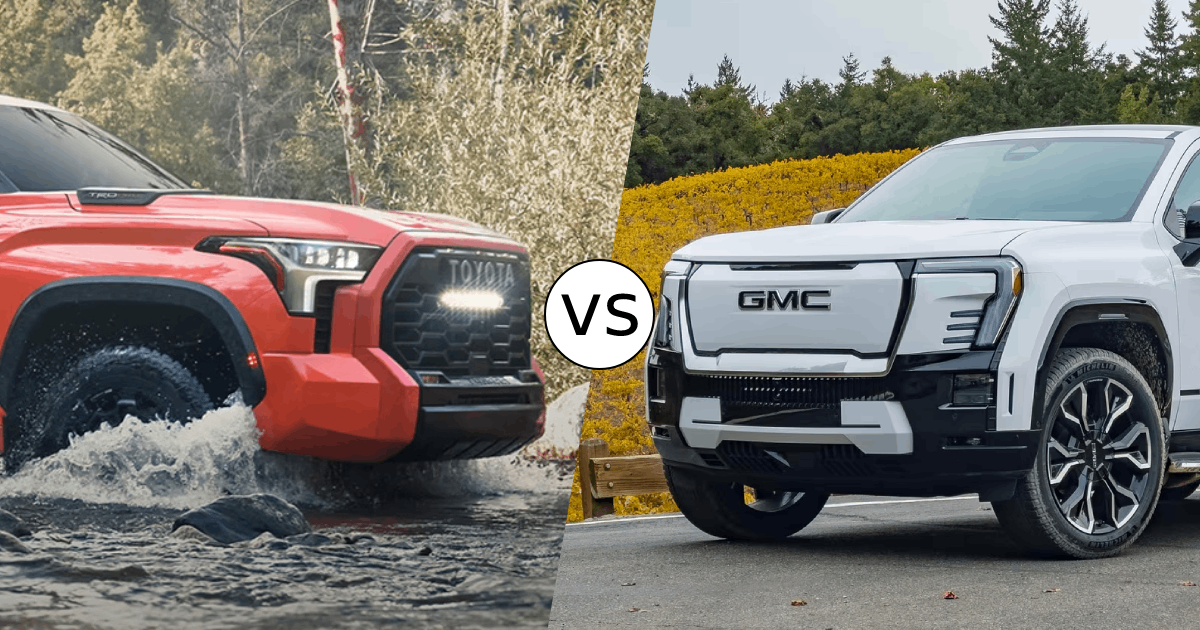
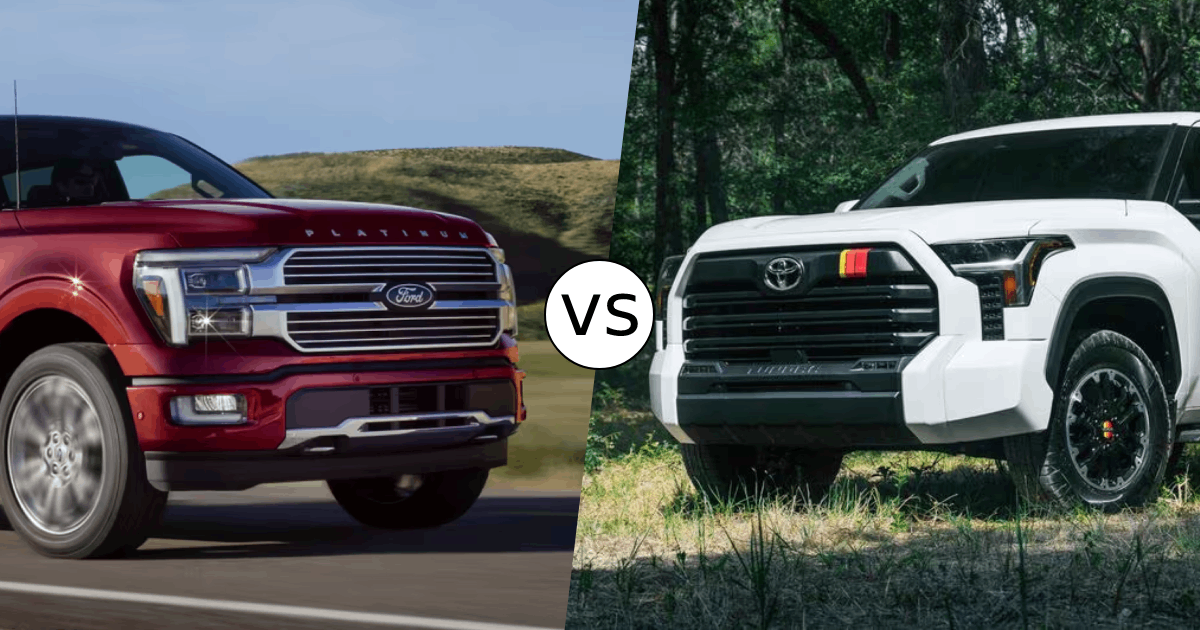
When you're discussing full-size pickups, two names always find their way into the conversation: the Toyota Tundra and the Ford F-150. For 2025, both trucks deliver serious power, smarter technology, and that all-around versatility Texans rely on for workdays, weekend projects, and long highway drives. The Tundra, in particular, has been fine-tuned with trims and features that cater to both hauling equipment and driving into town for a night out. It's a tough truck that's easy to use every day, built with Toyota's dependable quality. At Longo Toyota of Prosper, we understand that choosing between these two trucks isn't simple. So, let's break it down and see which one, the Tundra or the F-150, fits your lifestyle best. more 2025 Toyota Tundra vs. Ford F-150 Specs: Key Changes for the 2025 Model Year The 2025 lineup introduces a few fresh updates to both trucks, making for an interesting comparison of truck specs. Ford's F-150 remains largely unchanged after its major 2024 refresh, but it introduces a new Lobo trim featuring a lowered suspension, sportier styling, a light-up grille, and unique 22-inch wheels. With the Toyota Tundra, the focus is on comfort and style upgrades. The SR5 now comes standard with eight-way power seats and a new TRD Rally appearance package; higher trims, such as the Platinum and Capstone, feature massaging front seats. Even the 1794 Edition receives a special embossed tailgate design. 2025 Ford F-150 vs. Toyota Tundra: Engine Performance and Powertrain Comparison With regard to power and performance, both the 2025 Toyota Tundra and Ford F-150 provide impressive capability. Ford offers a wide range of options, from a 2.7L EcoBoost V-6 engine to a 5.0L V-8 engine and hybrid setups, providing 450 horsepower with its PowerBoost hybrid. The 2.7L EcoBoost earns an EPA estimate of 19 mpg in the city and 25 mpg on the highway, while the stronger 3.5L twin-turbo V-6 delivers 17 mpg in the city and 25 mpg on the highway. Toyota takes a different route with its i-FORCE engines. Instead of juggling several smaller choices, the Tundra focuses on two powerful setups. The standard 3.4L twin-turbo V-6 produces 389 horsepower and 479 lb-ft of torque, while the i-FORCE MAX hybrid boosts output to 437 horsepower and 583 lb-ft of torque. Efficiency also maintains its competitive edge. Two-wheel-drive Tundra models are EPA-rated at 20 mpg in the city and 24 mpg on the highway, with a slight decrease for four-wheel-drive models. With this balance of strength and fuel economy, the Tundra is ideally suited for both heavy-duty jobs and everyday driving. 2025 Ford F-150 vs. Tundra: Towing and Hauling Capabilities Both trucks have excellent hauling capabilities, but each delivers in its own way. The 2025 Ford F-150 can be configured to tow up to 13,500 pounds when equipped with the 3.5L EcoBoost engine, with a payload capacity of 2,455 pounds. It also offers tools, including Pro Trailer Backup Assist and Smart Hitch, to make the heavy jobs more manageable. The Toyota Tundra can tow up to 12,000 pounds and carry almost 2,000 pounds in the bed. Features such as Tow/Haul modes, an integrated trailer brake controller, and available air suspension make hauling easier. You can also choose the cab and bed size that best suits your needs; the Tundra performs well whether you're at a job site or just having fun. 2025 Ford F-150 vs. Tundra: Interior Design and Technology Features Inside both pickups, you'll find plenty of modern touches that make them feel less like work trucks and more like everyday companions. The 2025 Ford F-150 keeps things practical with a standard 12-inch touch screen on most trims, SYNC 4 for easy controls, and a digital gauge display. Higher trims add handy extras, such as the fold-out Interior Work Surface or seats that recline nearly flat for quick breaks on long hauls. The Tundra takes a slightly different approach, focusing on size and comfort. The standard 8-inch Toyota audio multimedia screen is sharp and responsive, but if you prefer a larger screen, the available 14-inch display really stands out. There's also an optional 12.3-inch digital gauge cluster that puts customizable driving information right in front of you. Add in wireless Apple CarPlay and Android Auto, and you're connected without the clutter of cords. Top trims add luxury to the mix with leather seating, ventilated front seats, and a panoramic moonroof that significantly opens up the cabin. 2025 Tundra vs. F150: Safety Features and Driver Assistance The 2025 Tundra and F-150 both offer a range of advanced safety technologies. Ford's Co-Pilot360 offers driver aids, including trailer assist and available hands-free driving with BlueCruise. Toyota keeps it simple by making Toyota Safety Sense 3.0 standard on every trim, featuring a precollision system, blind-spot monitoring, and a panoramic view monitor. You don't have to select a higher trim or pay extra to get these features, which makes the Tundra feel like solid value no matter which version you choose. 2025 Toyota Tundra vs. 2025 Ford F-150: Off-Road Performance and Capabilities Both trucks offer serious off-road capabilities, but they do so in different ways. The F-150 is available in three upgrades: the FX4 package, the Tremor, and the wild Raptor for desert runs. Toyota emphasizes control and balance — both the TRD Off-Road and TRD Pro trims feature Crawl Control, Multi-Terrain Select, and FOX shocks. Additionally, the part-time four-wheel-drive system is designed to tackle tough trails without compromising comfort on the highway. The Tundra feels more trail-ready than the F-150 while still comfortable for everyday use. Which Truck Wins in 2025? The 2025 Toyota Tundra and Ford F-150 are both excellent trucks, but they excel in different areas. The F-150 boasts impressive towing capabilities and multiple engine options, making it a reliable workhorse. Meanwhile, the Tundra offers Toyota dependability, is easier to drive every day, and its interior feels more upscale. Additionally, it holds its value well when you sell it. With regard to Tundra versus F-150 reliability, owners often point to Toyota's stronger track record. The F-150 earns praise for comfort and performance, but less so for its long-term dependability. Test-Drive the 2025 Toyota Tundra in Prosper, Texas Experience the 2025 Toyota Tundra firsthand and discover the difference for yourself. Whether it's work, family, or weekend fun, this truck's built to handle all options. Visit Longo Toyota of Prosper today or schedule your Tundra test-drive online; you won't want to leave without it.

2025 Tesla Model 3 vs. 2025 Toyota Prius

The 2025 Tesla Model 3 vs. 2025 Toyota Prius

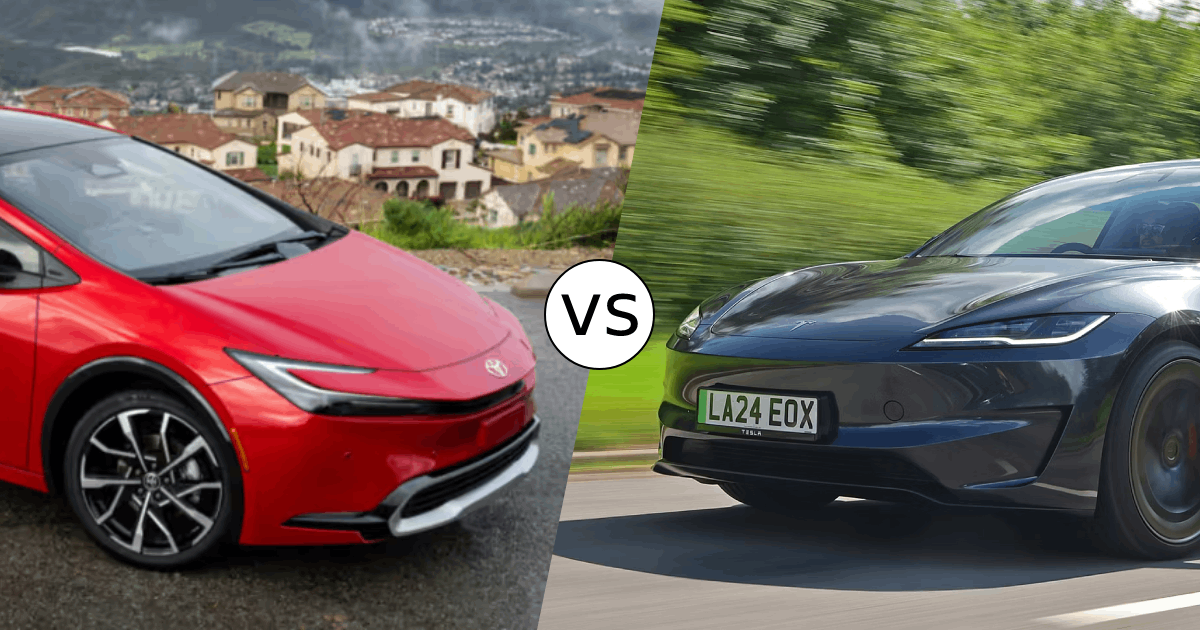
The 2025 Tesla Model 3 and Toyota Prius stand at the forefront of eco-friendly driving today. These cars take completely different paths to green transportation: the Tesla with its pure electric approach and the Toyota with its time-tested hybrid system. At Longo Toyota of Prosper, we'll guide you through a 2025 Tesla Model 3 vs. Toyota Prius comparison to help you decide which one's right for your wallet, driving habits, and Texas lifestyle. more Power and Performance Analysis The Tesla Model 3 Long Range RWD reaches 60 mph from a standstill in 4.9 seconds with its 295-horsepower rear motor. The Performance variant raises this to 510 horsepower with 554 lb-ft of torque with its dual-motor all-wheel drive. This setup achieves 0 to 60 mph in 2.9 seconds. With a 163-mph top speed and a weight of 4,080 pounds, Tesla has built the Model 3 Performance for thrills. The 2025 Toyota Prius' base trim, the LE, produces 194 horsepower from its 2.0-liter four-cylinder hybrid engine. The 2025 Prius PHEV delivers 220 combined horsepower from its 2.0-liter gas engine pairing with two electric motors. In Car and Driver's test, it achieved 0 to 60 mph in 6.7 seconds. The Model 3 wins drag races but has weak handling and steering with limited driving engagement compared to traditional sports cars. Both contenders handle city traffic adequately, but the Model 3's instant power gives it an edge when merging or passing. Efficiency and Range: Running Costs Compared The 2025 Toyota Prius PHEV will give you 52 mpg combined and up to 127 MPGe. Tesla's Model 3 achieves between 113 MPGe and 138 MPGe, depending on the variant. The LE trim of the Prius gets 57 mpg combined; the Limited manages 52 mpg. The 2025 Prius PHEV's SE trim offers 44 miles of electric-only range (39 miles for the XSE and XSE Premium). Add the full 10.6-gallon tank to a fully charged battery, and you get 573 miles without stops. The Tesla Model 3 Long Range AWD delivers 346 miles per charge, with the Long Range RWD managing 363 miles. Tesla offers home charging, public chargers, local Superchargers, and workplace charging. There's also destination charging with intelligent route planning. This innovation finds optimal routes and suggests charging stations. The Prius PHEV plugs into standard 120V outlets for 11-hour charges. Use a Level 2 charger, and you're ready to go in four hours. Model 3 owners save by avoiding gas altogether, while Prius drivers get electric commuting plus gas flexibility for long trips. Comfort and Features: Inside the Vehicles The Model 3's improved back seat is roomier than the Prius', but the Toyota wins on cargo space with its 23.8 cubic-foot hatchback. The Prius accommodates five with supportive front seats, and its hatchback loads groceries and gear more easily than the Model 3's trunk. Toyota's Connected Services works through a mobile app with Remote Connect features. Its functions include remote vehicle control, locking and unlocking doors, finding the vehicle in a parking lot, and allowing monitoring of guest drivers. Remote Connect costs $15 monthly and includes cloud navigation, live-agent navigation assistance, intelligent virtual assistant, and Google Points of Interest. Wi-Fi Connect provides a 4G LTE wireless hot spot for up to five devices for $25 monthly through AT&T. Tesla puts everything onto one giant touch screen. It may look impressive, but it's frustrating for simple tasks such as air-conditioning adjustments while driving. Toyota mixes buttons with screens and removes menu diving, making radio or temperature changes easier. The Prius offers more storage cubbies, while the Model 3 keeps things minimalist with fewer but larger areas. Cost of Ownership Depreciation reveals a contrast between these two contenders. The Tesla Model 3 loses 59% of its original cost after five years, while the Toyota Prius drops only 38%. Insuring a Prius costs about $665 less than the national averages for similar cars. A typical 40-year-old with a good driving history pays around $591 yearly for basic coverage and $1,363 for full protection. Shop with State Farm, and these rates drop to $475 and $1,101, respectively. Tesla insurance costs more — sometimes much more — due to higher repair costs and fancy technology. Quality and Reliability Quality and reliability ratings tell a clear story. The reviewers at iSeeCars give the Tesla Model 3 7.2/10 for reliability, while the Toyota Prius scores an impressive 8.9/10. Overall quality ratings show similar gaps: 8.3/10 for the Model 3 against 9/10 for the Prius. Tesla does offer an eight-year battery warranty, and its batteries typically last longer than the car itself, but Toyota's decades of hybrid experience reveal themselves in the Prius' stronger scores. Toyota's reputation is strong, and the Model 3 has faced more recalls than the Prius. Toyota fixes all recalls free at authorized dealers, typically faster than industry standards. A new Prius has a 33.1% chance of reaching 200,000 miles and an expected life span of 12.3 years. This longevity, plus Toyota's massive service network, provides confidence that your car will last. Tesla's newer tech means we have less long-term data, though early signs point to good durability for the electric parts. Safety Ratings The National Highway Traffic Safety Administration gives both vehicles perfect five-star ratings across the board. The Prius edges ahead slightly with an Insurance Institute for Highway Safety Top Safety Pick+ award, demonstrating Toyota's commitment to crash protection. Both vehicles come loaded with safety and driver-assistance features. Which Vehicle Delivers Better Value for Texas Drivers? The 2025 Prius LE starts at $28,350; the Model 3 Long Range RWD retails from $43,880. Federal tax credits offer up to $7,500 for qualified new electric vehicles (EVs) and $4,000 for used EVs under $25,000. The Texas Emissions Reduction Program provides $2,500 rebates for electric or plug-in hybrids, limited to 2,000 on a first-come, first-served basis. For Texas residents, the Prius offers more convenience. Vast distances make its 573-mile range more practical than Tesla's charging requirements. Summer heat impacts the range of EVs more significantly than that of hybrid vehicles, and gas stations outnumber chargers across Texas. The Prius is the clear winner in this Toyota vs. Tesla comparison. Experience the 2025 Toyota Prius Today If you're ready to get behind the wheel of the latest Prius, visit us at Longo Toyota of Prosper. Our experts will answer any questions about this impressive vehicle and match you with the perfect Prius for your Texas lifestyle and budget. Contact us today to schedule a test-drive.

2025 Toyota Camry vs. Nissan Altima

2025 Toyota Camry vs. Nissan Altima

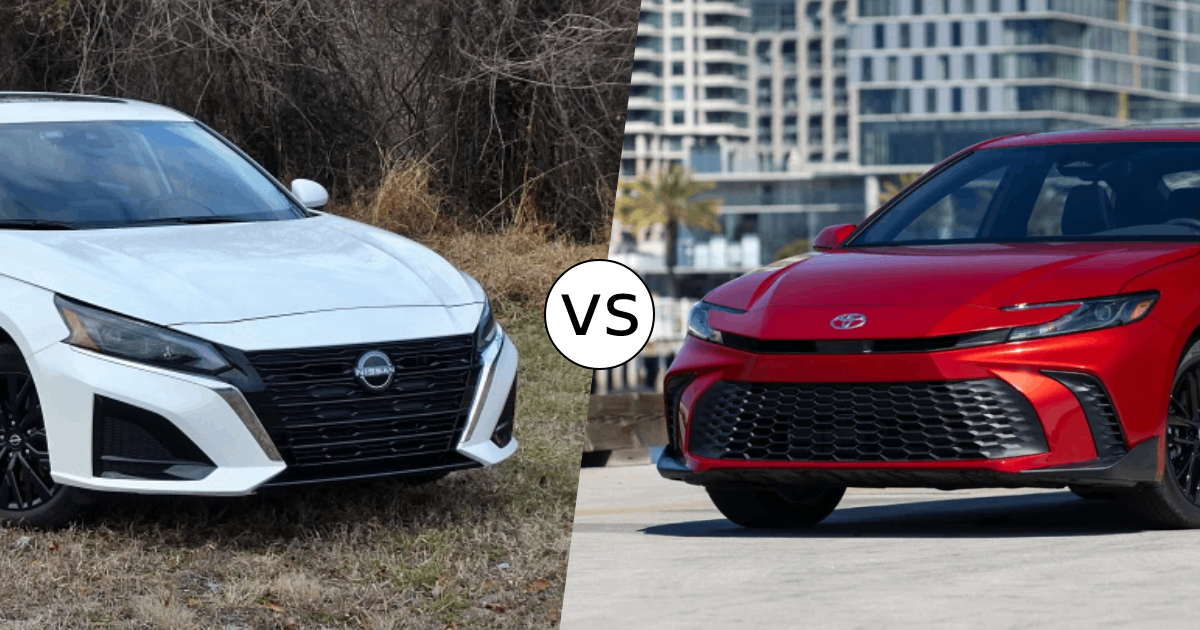
Amongst midsize sedans, the Toyota Camry and Nissan Altima sit at the top of many shopping lists. In this 2025 Nissan Altima and Toyota Camry comparison, our team at Longo Toyota of Prosper examines performance, looks, tech, safety gear, and value to help you pick the right car for your life and budget. more Exterior Design Comparison Toyota's 2025 Camry sports a mesh front grille with optional 19-inch wheels. Standard gear includes 16-inch black wheels, sport side panels, a rear diffuser, heated mirrors with turn signals, bi-LED headlights, and LED running lights. The 2025 Nissan Altima features aerodynamic styling with a signature V-Motion grille with chrome accents and LED headlights. Colors such as Super Black or Garnet Pearl Metallic stand out. Wheel options range from 16-19 inches across trims. Interior Space and Comfort The Camry fits five passengers in two rows, with front headroom at 38.3 inches (37.5 inches with moonroof) and rear headroom at 37.6 inches. Shoulder room measures 57.7 inches up front and 55.7 inches in the rear, while hip room is 55.4 inches and 54.6 inches respectively. There's 42.1 inches of legroom in front and 38.0 inches in the rear. You get 15.1 cubic feet of cargo room in the trunk, and the total passenger volume is 99.9 cubic feet. The Altima's Zero Gravity front seats use NASA tech for superior body support — a real win on those long Texas drives. The Altima beats the Camry in front legroom (43.8 inches) and headroom (39.1 inches) but has less rear legroom (35.2 inches) and headroom (36.9 inches). The trunk holds 15.4 cubic feet, and 60/40-split folding rear seats expand your cargo capacity, especially for long items. Total passenger space is 100.6 cubic feet. Engine Options and Powertrain Specifications Every 2025 Camry goes hybrid-only, in a move that shows Toyota's commitment to efficiency. A 2.5-liter four-cylinder (184 hp and 163 lb-ft of torque) works with Toyota's Hybrid System 5 for a combined output of 225 hp (front-wheel drive) or 232 hp (all-wheel drive). This hybrid system pairs with an electronically controlled continuously variable transmission (CVT). The 2025 Nissan Altima's 2.5-liter four-cylinder engine also pairs with a CVT. Power varies by drive type: Front-wheel-drive (FWD) models make 188 hp and 180 lb-ft of torque, while all-wheel-drive (AWD) versions drop to 182 hp and 178 lb-ft of torque. Fuel Economy Comparison: Which Sedan Offers Better Mileage? The 2025 Camry's hybrid-only lineup dominates the fuel economy battle. The FWD LE achieves 53 mpg city/50 mpg highway/51 mpg combined, while the AWD version gets 51 mpg city/49 mpg highway/50 mpg combined. The FWD SE rates 48 mpg city/47 mpg highway/47 mpg combined, while the AWD model gets 46 mpg city/46 mpg highway/46 mpg combined. Even the sporty AWD XSE manages 44 mpg city/43 mpg highway/44 mpg combined. The Altima can't match these numbers. The S and SV FWD models rate 27 mpg city/39 mpg highway/32 mpg combined. The SR and SL FWD trims drop to 27 mpg city/37 mpg highway/31 mpg combined, while AWD versions achieve 25 mpg city/34 mpg highway/28 mpg combined. The difference is massive: the Camry delivers 44-51 mpg combined vs. the Altima's 28-32 mpg. If you're a daily commuter, this means significant fuel savings over time. Advanced Technology and Connectivity The Camry's 8-inch touch screen offers clear graphics and straightforward menus. A 12.3-inch touch screen is available on higher trims. Wireless Apple CarPlay and Android Auto come standard, plus a 7-inch digital gauge cluster (with optional 12.3-inch version on pricier trims). There's also a six-speaker audio system or an optional nine-speaker JBL premium audio. Standard features include five USB ports, a wireless charging pad, a three-month SiriusXM trial, Bluetooth, and dual-zone climate control. Toyota throws in a 10-year trial for connected services and a 30-day Wi-Fi hot spot subscription. The Altima comes standard with an 8-inch touch screen, Apple CarPlay and Android Auto, and NissanConnect with a Wi-Fi hot spot. The top SL trim gets a 12.3-inch touch screen and wireless Apple CarPlay and Android Auto. Options include navigation and wireless charging. All versions get keyless entry and remote start. Nice extras include an optional Bose nine-speaker audio system and a 360-degree camera. Nissan offers a three-to-five-year connected service trial. Safety and Driver-Assistance Features All 2025 Camrys have Toyota Safety Sense 3.0, which includes a Precollision System with Pedestrian Detection, Full-Speed Range Dynamic Radar Cruise Control, lane departure alert with steering assist, plus other driver-assistance features. The Camry also has eight airbags, collision sensors, and a backup camera. The National Highway Traffic Safety Administration (NHTSA) gave the 2025 Camry a five-star overall rating and the Insurance Institute for Highway Safety (IIHS) gave it a Top Safety Pick+ award. Standard safety gear includes hill-start assist, Toyota's Star Safety System, and tire pressure monitors. Nice touches include a rear-seat reminder (so kids or pets aren't forgotten) and headlights that turn with the steering wheel for better night vision. Performance stats show the Camry stops from 60 mph in 118 feet — good numbers that prove it can avoid trouble when needed. Nissan Safety Shield 360 comes standard on all Altima trims and includes automatic emergency braking with pedestrian detection, rear automatic braking, blind-spot warning, lane departure warning, and high-beam assist. Upper trims offer ProPILOT Assist with intelligent cruise control and steering assistance. Additional features include a driver attention monitor and a comprehensive airbag system. The NHTSA gave the 2025 Altima a five-star overall rating, but IIHS results show "Good" in small overlap front tests, "Marginal" in moderate overlap front, and "Poor" in side crash tests. Price and Overall Value The 2025 Toyota Camry offers four trims: the LE, SE, XLE, and XSE. Prices range from $28,700 for the base LE to $34,900 MSRP for the XSE. Nissan's 2025 Altima has five trims: the S ($27,000), SV ($27,430), SV Special Edition ($28,520), SR ($28,830), and SL ($33,330). Although there's a $1,700 base price gap between these two sedans, the Camry features better standard equipment, such as adaptive cruise control. These features help justify the Camry's slightly higher cost. Warranty and Roadside Assistance Coverage Both sedans offer the typical three-year/36,000-mile basic warranty and five-year/60,000-mile powertrain coverage, plus five-year unlimited-mile rust protection. The Camry includes ToyotaCare with two years/25,000 miles of free maintenance and two years of unlimited-mile roadside help. The Altima provides two years/24,000 miles of free maintenance and three years/36,000 miles of roadside assistance. The Camry's hybrid components get a solid eight-year/100,000 miles warranty, showing Toyota stands behind its hybrid tech. Choose Your Perfect Midsize Sedan Today So, should you choose the Toyota Camry or the Nissan Altima? While they're both excellent cars, Toyota comes out top in our Altima vs. Camry comparison. Although the Nissan Altima offers NASA-designed seats, a slightly bigger interior and trunk, and a lower starting price, the 2025 Toyota Camry wins if you prioritize fuel savings and value. The Camry's hybrid powertrain delivers superior efficiency and power, and its top safety ratings outclass the Altima's mixed results. Visit our Longo Toyota of Prosper dealership to test-drive the 2025 Toyota Camry and find your perfect sedan.

2025 Toyota Sienna vs. Kia Carnival

2025 Toyota Sienna vs. Kia Carnival

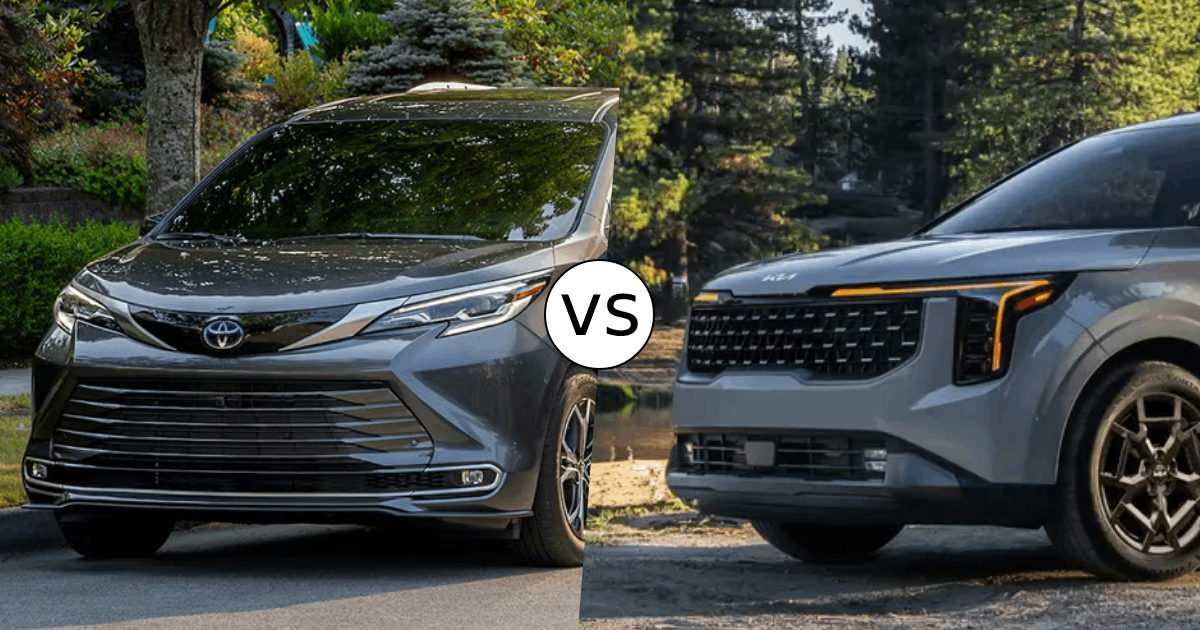
The 2025 Toyota Sienna and 2025 Kia Carnival are minivans known for their spacious cabins with multiple seating rows, family-friendly features, and value for money. But which one is the right minivan for your family? In our 2025 Toyota Sienna vs. Kia Carnival comparison, we assess the features that matter to help you make the best choice. more Exterior Styling The Sienna and Carnival are here to dispel the notion that minivans all look the same. The Carnival has a modern, boxy silhouette, while the 2025 Toyota Sienna has a more traditional look characterized by gentle curves. The Carnival's styling is polarizing, but if you want a vehicle that stands out, it might be for you. Cabin Design and Comfort Kia's updated the Carnival's interior with improved materials and a new center console and switchboard, but it still can't quite match the quality that Toyota's famous for, especially at the base level. Both minivans can seat eight people with a second-row bench or seven if you choose the captain's chairs. These are certainly more supportive and comfortable, although you can't remove or stow them away in either model to maximize storage space. Passenger and Cargo Space Both minivans have space for seven or eight people, but the way they're organized makes all the difference. Toyota treats rear seat passengers to an extra 3.1 inches of legroom, so it's much more comfortable for tweens and teens. A few inches might seem small, but you'll notice it on family road trips. The Carnival has the edge when it comes to cargo space with 40.2 cubic feet behind the back seat, which is 6.7 cubic feet more than the Toyota Sienna Hybrid's cargo space. However, only the Sienna has overhead console storage to complement its already impressive center console. These two units work together to keep the cabin more organized. Technology and Infotainment Systems The Sienna comes standard with an 8-inch touch screen at the entry level, but all other trims feature a 12.3-inch unit, just like the Carnival. Both infotainment systems connect wirelessly to Apple CarPlay and Android Auto, so you easily access your contacts and favorite playlists for family sing-alongs. Both vehicles feature an array of modern USB-C ports, but if you've got an old device, you'll appreciate that Toyota's left a single USB-A port for you. All Sienna models also include a fifth-generation wireless charging pad, which isn't available until the Carnival's EX trim. Splurging on the rear-seat entertainment system, available with both models, should help road trips go much more smoothly. Safety Features and Ratings Toyota's commitment to superior engineering helped the 2025 Sienna earn an overall five-star rating in the National Highway Traffic Safety Administration's crash tests. The Kia Carnival trails behind with a four-star rating. Toyota and Kia's driver-assistance systems both come with a wide range of key features, such as automatic emergency braking with pedestrian detection and lane departure warning with lane-keeping assist. They also include features many automakers charge extra for, such as adaptive cruise control and rear occupant alert, for your peace of mind. Powertrains and Performance Toyota shows its commitment to green technology by making a 2.5-liter inline-four hybrid the Sienna's only powertrain option. It generates 245 hp and helps this minivan reach 60 mph in 7.5 seconds. The Carnival's base engine is a 287 hp 3.5-liter V-6 that reaches 60 mph in 7 seconds. A 1.6-liter inline-four hybrid is optional. Despite its small size, this 242 hp powertrain helps the Carnival hit 60 mph in 7.8 seconds. The Sienna is available in both front-wheel drive (FWD) and all-wheel drive, but the Carnival is FWD only. Fuel Economy and Efficiency While the Carnival's powertrains are powerful, neither can match the Sienna's fuel efficiency. Expect to get 36 mpg in both city and highway driving with the FWD Sienna. That's much more economical than the base Carnival engine, which gets 18 mpg in the city and 26 mpg on the highway. The Sienna even bests the hybrid Carnival, which gets 33 mpg in the city and 34 mpg on the highway. Reliability and Warranty A 2025 member survey from Consumer Reports found Toyota was the third most reliable motor vehicle brand, so you can trust that a Sienna will be a dependable minivan for years to come. Kia sat in ninth, indicating consumers don't have the same level of confidence in this brand. However, Kia stands by its vehicles, offering Carnival owners an impressive five-year/60,000-mile limited warranty and 10-year/100,000-mile powertrain warranty. The Toyota Sienna's protection is much closer to the industry standard, with a three-year/36,000-mile limited warranty and a five-year/60,000-mile powertrain warranty. But Toyota's hybrid-component warranty is more generous, lasting 10 years or 150,000 miles. Toyota also treats you to free maintenance for two years or 25,000 miles to sweeten the deal. Pricing and Trim Options Toyota offers the Sienna in six trims ranging from $39,485 to $56,445. There are five standard Kia Carnival trims, ranging from $38,235 to $52,335. Kia complements them with four hybrid trims priced between $42,235 and $54,335. That means you can get into a gas-powered Carnival for less, but if your heart's set on a hybrid, the Sienna is the more affordable choice. Kia Carnival vs. Toyota Sienna: Our Verdict While the Toyota Sienna and Kia Carnival are both excellent minivans, with extra rear seat legroom, superior fuel economy, and a reputation for reliability, we think the Sienna has the edge. Discover why this minivan makes such a great family vehicle at Longo Toyota of Prosper. Our team would love to introduce you to this vehicle and arrange a test-drive. We're open from 9 a.m. to 8:30 p.m. Monday through Saturday for your convenience. Apply for finance preapproval online to save time at the dealership and drive away in your new Toyota Sienna sooner.

2025 Toyota Sienna vs. 2025 Honda Odyssey

2025 Toyota Sienna vs. 2025 Honda Odyssey

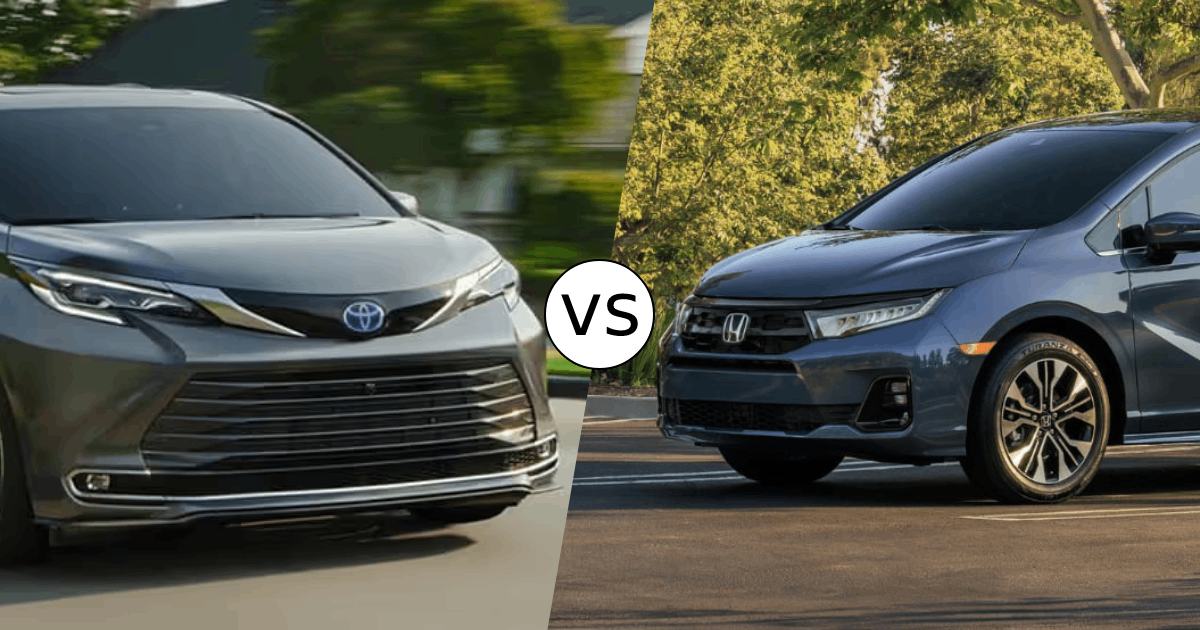
If you've already spent countless hours comparing the Sienna vs. the Odyssey, we're here to simplify things. These popular minivans are built to handle everything from carpools to long road trips, but there are some major differences worth considering. Read on for a head-to-head comparison of the 2025 Sienna and Odyssey, compiled by our experts at Longo Toyota of Prosper. more Performance and Powertrain In terms of powertrain performance, the Sienna vs. Odyssey debate comes down to preference. Let's take a closer look at these Honda Odyssey vs. Toyota Sienna specs so you can decide which one deserves a spot in your driveway. The 2025 Toyota Sienna comes standard with an efficient hybrid engine. This 2.5-liter four-cylinder setup delivers 245 horsepower and earns an EPA-estimated 36 mpg in the city and on the highway. The Toyota Sienna's 0 to 60 mph time clocks in around 7.5 seconds with available all-wheel drive (AWD). While it may not be the fastest off the line, it offers a quiet and refined ride. On the other hand, the 2025 Honda Odyssey delivers a bit more punch with its 280-horsepower V-6 and 10-speed automatic transmission. The Odyssey Elite reaches 60 mph in just 6.4 seconds, but it can only manage up to 28 mpg on the highway and isn't available in AWD. At the end of the day, the Sienna's hybrid engine is hard to beat if you value fuel efficiency and lower long-term operating costs. Toyota Sienna vs. Honda Odyssey Interior The Sienna's cabin is plush, practical, and packed with family-friendly features. With up to 18 cupholders and a sliding center console with storage underneath, it's the perfect vehicle if you have kids. You can upgrade to the available second-row captain's chairs with ottomans or splurge on premium leather upholstery with contrast stitching for a touch of luxury. Higher trims also come with some unique add-ons, such as an onboard vacuum and refrigerator. Toyota built the Sienna to comfortably fit up to eight people with a generous 33.5 cubic feet of cargo space behind the third row. While the second row isn't removable, it slides 25 inches to make extra room for luggage and sizable grocery hauls. The new Honda Odyssey's eight-seater interior features Magic Slide second-row seats for flexible configurations. Removing them requires a little elbow grease, but it opens up an impressive 140.7 cubic feet of cargo space. Visibility, comfort, and storage all rate high. However, the Sienna includes more unique features for families who want practical convenience during long road trips. Before deciding between the Sienna or the Odyssey, you should take a look at which cabin feels better for you in person. Technology and Infotainment System Next up, let's see how tech stacks up in the Odyssey vs. Sienna debate. Every Sienna comes with wireless Apple CarPlay and Android Auto, and even the entry-level LE trim includes an 8-inch touch screen and Wi-Fi Connect with integrated streaming. Choose the XLE Plus or higher trims to enjoy a crisp 12.3-inch touch screen, 12 JBL speakers, and available rear-seat entertainment with an 11.6-inch high-definition display. Honda also updated the Odyssey's system this year with a 9-inch touch screen and improved rear-seat entertainment. It's a solid move on Honda's part, but it still uses an older infotainment platform and lacks the personalization of Toyota's system. The Odyssey's HDMI port and cabin intercom are nice touches as well, but the Sienna's available head-up display and digital instrument cluster give off a more high-end experience. Safety and Reliability Looking at Toyota Sienna vs. Honda Odyssey reviews reveals that both minivans have earned a five-star safety rating from the National Highway Traffic Safety Administration. Toyota Safety Sense 2.0 comes standard across all Sienna trims, incorporating advanced features such as adaptive cruise control, lane departure alert, lane tracing assist, and a pre-collision system with pedestrian detection. You'll also get a blind-spot monitor with rear cross-traffic alert and 10 airbags. Available upgrades include a Panoramic View Monitor and parking assist with automatic braking. The Odyssey counters with its own Honda Sensing suite, which includes adaptive cruise control, lane-keeping assist, and collision mitigation braking. It also adds convenience with a multi-angle rearview camera, CabinWatch, and CabinTalk to help monitor passengers. Switching gears to compare reliability, we have to give Toyota credit for its 10-year hybrid warranty and two years of complimentary maintenance. Honda's one-year maintenance plan is helpful but limited by comparison. Honda Odyssey vs. Toyota Sienna Price Of course, when you compare the Toyota Sienna and the Honda Odyssey, pricing is a major factor. The Toyota Sienna's 2025 price in the U.S. starts around $39,485, making it more affordable at the entry level than the Odyssey, which begins at $42,220. For most families, we recommend the Sienna XLE or XSE trims. The XLE includes heated front seats, a power liftgate, and hands-free sliding doors, which are a nice thing to have when your hands are full. The sportier XSE trim adds larger wheels and a 12.3-inch touch screen. On the Honda side, the Odyssey's Sport-L trim is a popular pick, but it starts at $43,370. Top trims such as the Sienna Platinum climb to around $56,445, which is comparable to the Odyssey's Elite trim at $51,180. If you're leaning toward the Sienna and looking to get a competitive rate, our finance team at Longo Toyota of Prosper can help. Apply online today to get preapproved for financing or explore our current lease offers. Which Minivan Is Right for You? So, which is better, the Honda Odyssey or the Toyota Sienna? There's only one way to find out. Now that you've compared the Toyota Sienna vs. Honda Odyssey, we invite you to schedule a test-drive to get behind the wheel of a 2025 Sienna. Contact us to schedule an appointment today, or visit us next time you're in Prosper, Texas.

2025 Toyota Grand Highlander Hybrid vs. 2025 Kia Sorento Hybrid

2025 Toyota Grand Highlander Hybrid vs. 2025 Kia Sorento Hybrid

The 2025 Toyota Grand Highlander Hybrid and Kia Sorento Hybrid are popular among Prosper, Texas, drivers looking for an eco-friendly three-row SUV. They're both outstanding vehicles with a lot to offer, but one may be a better fit for you. Read our head-to-head comparison of the 2025 Grand Highlander Hybrid vs. the 2025 Sorento Hybrid, put together by our experts at Toyota Longo of Prosper, to help you make the right choice. more Comparing the 2025 Toyota Grand Highlander Hybrid and the 2025 Kia Sorento Hybrid These hybrids compete in the crowded midsize SUV market, and both provide an impressive combination of performance, practicality, comfort, and technology. They're reliable vehicles offering great value for money. Let's compare their specifications and features to determine which SUV can better meet your and your family's needs and preferences. Performance and Efficiency The Toyota Grand Highlander Hybrid proves superior in the performance department. The base trim prioritizes efficiency with its 2.5-liter four-cylinder engine and two electric motors generating a combined 245 horsepower. For more power, the Hybrid MAX has a 2.4-liter turbo-four engine and a single motor generating 362 horsepower. The Grand Highlander Hybrid MAX has a 0-to-60 mph sprint time of 6.3 seconds, quick for such a large vehicle, and it has a towing capacity of 5,000 pounds. The standard Grand Highlander Hybrid accelerates from 0 to 60 mph in 7.8 seconds and can tow 3,500 pounds. 2025 Kia Sorento Hybrids have a 1.6-liter turbo-four and an electric motor. This powertrain is adequate for daily driving, but some drivers find it a tad sluggish at high speeds. The Sorento Hybrid accelerates from 0 to 60 mph in 7.3 seconds, and its towing capacity is only 2,000 pounds at most. According to a Grand Highlander Hybrid review on U.S. News & World Report, the Toyota SUV is relatively easy to drive despite its size. This is partly due to well-weighted and responsive steering, and it glides smoothly over bumps and uneven surfaces. The Sorento Hybrid also delivers impressive maneuverability and a smooth, balanced ride in most situations. The fuel economy of the 2025 Toyota Grand Highlander is comparable to that of its Kia rival. The base engine on the Toyota SUV has an EPA-estimated 37 mpg in the city and 34 mpg on the highway, while the all-wheel drive gets a combined 34 mpg and the MAX gets 27 mpg combined. The Sorento Hybrid front-wheel drive gets an EPA-estimated 36 mpg combined, the all-wheel drive gets 34 mpg combined, and the plug-in hybrid gets 74 MPGe. Interior, Technology, and Cargo Both the 2025 Toyota Grand Highlander Hybrid and the 2025 Kia Sorento Hybrid boast sturdy, handsome interiors with high-quality materials and soft-touch surfaces. They come standard with various comfort and convenience features such as synthetic leather upholstery, power front seats, heated front seats, and spacious middle-row captain's chairs. For a big family, the Toyota Grand Highlander Hybrid is probably the better option. This Toyota model has a maximum seating capacity of eight, whereas the Sorento Hybrid only seats six. Both SUVs provide expansive legroom and headroom in the first and second rows, but the Kia's third row is a little tight for adults. When it comes to cargo space, the Toyota is once again the winner in this contest. With the rearmost seats folded, the Grand Highlander Hybrid provides 98 cubic feet of cargo capacity, while in contrast, the Sorento Hybrid's cargo area maxes out at 75.5 cubic feet. Regardless of whether you pick the Toyota Grand Highlander Hybrid or Kia Sorento Hybrid, you'll have an easy-to-use, responsive, and feature-loaded infotainment system to keep you connected and entertained while on the go. Both SUVs come equipped with a 12.3-inch touch-screen display, a six-speaker audio system, multiple USB ports, a Wi-Fi hot spot, a wireless device charger, satellite radio, and wireless Apple CarPlay and Android Auto. The Kia has a slight advantage as it comes standard with navigation, which is optional in the Toyota. Safety and Reliability Both the Toyota Grand Highlander Hybrid and the Kia Sorento Hybrid are equipped with plenty of standard driver aids to help keep you safe behind the wheel. These features include pedestrian detection, forward collision warning, automated emergency braking, adaptive cruise control, lane-keeping assistance, lane departure warning, blind-spot detection, rear cross-traffic warning, traffic sign recognition, parking sensors, and automated high beams. Nevertheless, the Kia has several additional features unavailable in the Toyota, such as driver-attention monitoring, vehicle exit warning, and rear-seat alert. In the Kia Sorento vs. Toyota Grand Highlander reliability comparison for hybrid models, the Kia comes out on top. It gained a predicted reliability rating of 82 from J.D. Power, whereas the Toyota scored 76. Pricing, Value, and Recommendations How much is the Grand Highlander Hybrid? The starting MSRP of this Toyota ranges from $44,210 for the Hybrid LE to $54,690 for the top-of-the-line Hybrid MAX Limited. The Kia Sorento Hybrid has an MSRP starting at $38,690 for the EX and $46,890 for the range-topping SX Prestige. Although the 2025 Grand Highlander Hybrid is more expensive, the Toyota offers a more powerful engine, a better towing capacity, and a more spacious cabin. It's the better option for drivers seeking an enjoyable and comfortable driving experience. If tech and safety features are your top priorities, then the Sorento Hybrid is a better choice for you. Test-Drive the 2025 Toyota Grand Highlander Hybrid in Prosper, Texas, Today If you're thinking of getting the 2025 Toyota Grand Highlander Hybrid in Texas and want to experience it firsthand, come on down to Longo Toyota of Prosper. Our friendly and knowledgeable sales consultants can provide you with a tour of our selection of 2025 Grand Highlander Hybrid models, arrange a test-drive, and assist you with selecting a model that suits your lifestyle. Explore our new Toyota inventory and contact us today to schedule your test-drive.

2025 Toyota Tacoma vs. GMC Canyon

2025 Toyota Tacoma vs. GMC Canyon

When you live in suburban Texas, you need a vehicle that's both versatile and dependable. That's why, if you're in Prosper and looking for a new car, you'll probably be checking out midsize pickups. This ultra-competitive segment has plenty of contenders, but two stand out from the crowd. Let's compare the 2025 Toyota Tacoma and the 2025 GMC Canyon so you can decide which pickup is best for you. more Overview of the GMC Canyon vs. the Toyota Tacoma When buying a pickup truck, you're looking for a vehicle that can fulfill a range of needs, from work vehicles to adventurers to daily commuters. Both manufacturers understand this and have crafted hard-working, versatile vehicles that can cater to a range of driving needs. Since both trucks offer an impressive blend of performance capability, comfort, utility, and modern driving technology, the decision likely comes down to the finer details. Engine Performance and Specifications If you need a certain amount of power in your truck, you have to look at the engine specs. For the GMC Canyon, every trim features an I-4 TurboMax engine that generates 310 horsepower and 430 lb-ft of torque alongside an eight-speed automatic transmission. Meanwhile, the Toyota houses an i-FORCE 2.4L turbocharged I-4 engine paired with an eight-speed electronically controlled automatic transmission and a rear-wheel-drive drivetrain. This results in 278 horsepower and 317 lb-ft of torque. The available i-FORCE MAX hybrid powertrain significantly improves the engine performance, boasting a staggering 326 horsepower and 465 lb-ft of torque. Towing and Payload Capacity Of the two, the GMC may be the more heavy-duty worker if we compare the pickup trucks side-by-side. When properly equipped, the Canyon has an outstanding maximum towing capacity of 7,700 pounds. In comparison, the base-level Tacoma SR has a respectable maximum towing weight of 3,500 pounds and a maximum payload capacity of 1,460 pounds. If you want a more work-oriented Tacoma, these figures max out at a towing capacity of 6,500 pounds and a maximum payload of 1,705 pounds when the vehicle is properly equipped. Fuel Efficiency Comparing the Canyon vs. the Tacoma in terms of fuel economy, the Canyon has an EPA-estimated fuel efficiency of 19 mpg city, 23 mpg highway, and 20 mpg combined. Opting for four-wheel drive drops these figures slightly to 17 mpg city, 21 mpg highway, and 19 mpg combined. The two-wheel-drive Toyota definitely has the edge, with estimated figures of 20 mpg city, 26 mpg highway, and 23 mpg combined. The all-wheel-drive Tacoma still provides an impressive 20 mpg city, 23 mpg highway, and 21 mpg combined. If you choose to go with the Tacoma's hybrid powertrain, you'll enjoy an estimated 23 mpg city, 24 mpg highway, and 23 mpg combined. Off-Road Capabilities and Versatility Both vehicles offer a dedicated trim for off-road enthusiasts. The GMC Canyon's AT4 trim pairs the 310-horsepower TurboMax engine with a four-wheel drivetrain with an automatic locking rear differential. Advanced hill-descent control offers greater driving performance when on uneven terrain, and the drive mode selector optimizes performance under different driving conditions. You can select different drive modes from normal, terrain, tow/haul, and off-road. The iconic Tacoma Trailhunter is Toyota's standout offering for off-road adventure. A high-clearance trail exhaust offers enhanced ground clearance and departure angles, meaning you can confidently tackle rough terrain. The stylish ARB sport bar provides a sturdy anchor point for hauling cargo off the beaten path. Practically every inch of the Trailhunter is refined for off-road performance, from the 18-inch wheel with 33-inch rugged-terrain tires to the Rigid Industries fog lights to the ARB steel rear bumper. Safety Technology Both vehicles come equipped with a comprehensive suite of safety and driver-assistance technologies. GMC's Canyon Pro Safety offers a range of standard safety features, including: Automatic emergency braking Forward collision alert Blind-zone steering assist with trailering HD rear vision camera Lane-keep assist with lane departure warning Toyota Safety System 3.0 gives Tacoma drivers the peace of mind to know they enjoy the very latest in intelligent and responsive driver safety technologies. The system includes features such as lane departure alert with steering assist and a precollision system with pedestrian detection, as well as more sophisticated features. Full-speed range dynamic radar cruise control, for example, assists you in organically maintaining a preset distance from the vehicle ahead of you as you move from highway speeds all the way to a complete stop. Toyota's Proactive Driving Assist offers gentle braking and/or steering assistance to help you control the distance between your Tacoma and any vehicles, cyclists, or pedestrians on the road ahead of you. Other handy features include: Automatic high beams Road sign assist Lane tracing assist Final Decision Both options offer excellent functionality and performance, and ultimately, the final decision comes down to your personal driving preferences. If we had to choose, the edge probably goes to the Toyota. The midsize pickup segment is dense with fierce competition, and Toyota knows this. They've taken the Tacoma — a perennial favorite — and given it a strategic overhaul. The newly modernized Tacoma still stands at the forefront of the market, proudly defending its position against an impressive roster of competitors. Decide for Yourself With Longo Toyota of Prosper The best way to decide if the Toyota Tacoma is best for you is to experience it for yourself. Contact us or stop by the dealership today to arrange a test drive. Our dedicated sales team is on hand to help in any way they can, answering any questions you may have about the new Tacoma or any of the quality new and used vehicles available at our lot.

2025 Toyota Tundra vs. 2025 Chevrolet Silverado

2025 Toyota Tundra vs. 2025 Chevrolet Silverado

If you're looking for a new full-size pickup truck, you should consider the 2025 Toyota Tundra and Chevrolet Silverado. Both trucks feature heavy-duty towing and cargo-carrying capacities, making them great for work or adventure. Discover the ultimate 2025 Toyota Tundra vs. 2025 Chevrolet Silverado showdown in this guide from our team at Longo Toyota of Prosper, which provides a car features comparison for the two models to help you find your perfect truck. more The 2025 Toyota Tundra vs. 2025 Chevrolet Silverado The 2025 Tundra is a substantial full-size pickup truck that seats up to five passengers in its Double Cab or CrewMax cabin configurations. It delivers robust power to handle heavy cargo loads and is fitted with several off-road features to maximize its ability to navigate any terrain. The Silverado offers similar benefits to the Tundra, but it can seat between three and six people, depending on the chosen cab type — Regular Cab, Double Cab, or Crew Cab. Both trucks feature a short, standard, or long truck bed, allowing you to customize the exterior to suit your lifestyle needs. Performance and Capability If you want to know whether the Tundra or Silverado tows more or delivers more power, this side-by-side truck comparison provides the details. Engine Specs The Toyota Tundra is available with two engine options: gas-powered or hybrid. The i-FORCE 3.4-liter Twin-Turbo V-6 engine generates 389 horsepower and 479 lb-ft of torque, while the i-FORCE MAX 3.4-liter V-6 hybrid delivers 437 horsepower and 583 lb-ft of torque. Both engine options pair with a 10-speed electronically controlled automatic transmission. The new Chevrolet Silverado features several engine options ranging in size and output. The 3.0-liter Duramax turbo diesel engine produces 305 horsepower and 495 lb-ft of torque, while the 5.3-liter EcoTec3 V-8 engine generates 355 horsepower and 383 lb-ft of torque. The 6.2-liter version of the V-8 delivers 420 horsepower and 460 lb-ft of torque, and the TurboMax engine produces 310 horsepower and 430 lb-ft of torque. An eight- or 10-speed automatic transmission is available, depending on the engine configuration. Drivetrain Options The Chevrolet Silverado 1500 offers a choice of rear-wheel drive (RWD) or four-wheel drive (4WD) on all models, except for the Trail Boss, which is exclusively available in 4WD. If you want a choice of drivetrains, consider the Toyota Tundra; it comes standard with a 4WDemand part-time 4WD system featuring an electronically controlled two-speed transfer case that shifts seamlessly between high and low ranges. If you're looking for improved towing capacity, consider the available RWD option on the Toyota truck, as the engine delivers power to the rear wheels, enhancing traction. Towing Capacities Owning a pickup truck in the Dallas-Fort Worth area is ideal if you want to haul large loads of work equipment or travel gear for a trip to Lewisville Lake. As you contemplate choosing the Tundra or Silverado, you'll be glad to know that both offer impressive towing capacities. The Tundra has a 12,000-pound maximum towing capacity on select trims, which can easily handle a utility or travel trailer, while the Silverado has an even greater maximum capacity of 13,300 pounds. Design and Comfort There are many similarities between the Tundra vs. Silverado in terms of design and comfort. Both feature a powerful exterior style with aerodynamic curves and an aggressive grille. The Chevrolet Silverado ZR2 and Toyota Tundra TRD trims are designed for off-road capability, featuring enhanced suspension and skid plates to tackle any terrain. Both trucks offer elevated and refined interiors with available leather-trimmed and heated seats. Technology and Infotainment When considering the Toyota Tundra vs. the Chevrolet Silverado 1500, you'll want to know which one offers the best technology. Both trucks feature a 12.3-inch digital driver cluster, providing real-time vehicle information as needed. However, when it comes to infotainment, audio, and towing technology, you'll need to select the truck that best fits your needs. Entertainment Wherever You Go Enjoy the ride as you stream your favorite tunes or make hands-free texts and calls with the vivid touch screen displays on the new pickup trucks. The Silverado 1500 features an available 13.4-inch diagonal screen, while the Tundra offers a larger available 14-inch screen. Both trucks feature wireless Apple CarPlay and Android Auto compatibility. The new Silverado offers standard wi-fi capability, which the Tundra does not. However, the Toyota truck features a bigger audio system setup for a more enjoyable music-listening experience. Upgrade to the available JBL premium audio system, featuring 12 speakers that deliver crisp audio. The Silverado offers a two- or six-speaker audio system, depending on the trim. Enhanced Towing Technology A standout feature when comparing the Tundra vs. Silverado 1500 is the innovative towing technology each one offers. Add the Tow Tech Package to the Toyota truck for an exterior antenna and wireless trailer camera. This package complements the available trailer backup guide with Straight Path Assist for expert assistance when backing up to connect your trailer. You can enhance the Tundra's precision trailering capabilities with the available panoramic view monitor, which provides a 360-degree camera view of your surroundings. The 2025 Chevrolet Silverado 1500 offers unique towing enhancements, including an additional 14 camera views available on select trims for improved reversing and hitching. Add the trailer-side blind-zone alert safety feature as an extra set of eyes on the road when traveling with a trailer. Chevrolet allows Silverado owners to download their trailering app, which enables them to create a custom trailer profile to monitor their connected trailer. Safety and Reliability Your safety is important, no matter where you travel, which is why both models are fitted with the latest safety features for ultimate protection. The Tundra is equipped with Toyota Safety Sense 2.5, and the Silverado 1500 features Chevy Safety Assist. These safety suites feature automatic high beams, lane departure assist, and precollision warnings. While the new pickup truck rivals offer similar safety and driver-assistance features, only the Tundra receives the highest rating from the Insurance Institute of Highway Safety (IIHS). The IIHS awards the Tundra with the 2025 Top Safety Pick+ award, while the Silverado receives mixed reviews. Which Is Better: Chevrolet or Toyota? Choosing between the 2025 Toyota Tundra and Chevrolet Silverado will depend on personal preference and brand loyalty. If you're in the market to try something new, consider your safety, infotainment, and efficiency needs. While the Silverado 1500 offers more engine options, the Tundra is the only one that offers a fuel-efficient hybrid powertrain. The Tundra also receives high accolades for safety and provides a more entertaining audio system. Visit our team at Longo Toyota of Prosper to see for yourself and arrange a test-drive of the 2025 Tundra. Contact us today to schedule your visit.

Contact Us

Fill out this form below and we'll contact you shortly
*Required Fields