

Longo Toyota of Prosper

Blog

All Local Comparison New Inventory Car Tips Review Car Maintenance Tips DIY Hybrid Prosper Toyota Dealer Prosper Toyota Service Prosper Used Cars
Toyota in Parking lot

How Are Toyotas Affected by Tariffs? 2025 Impact

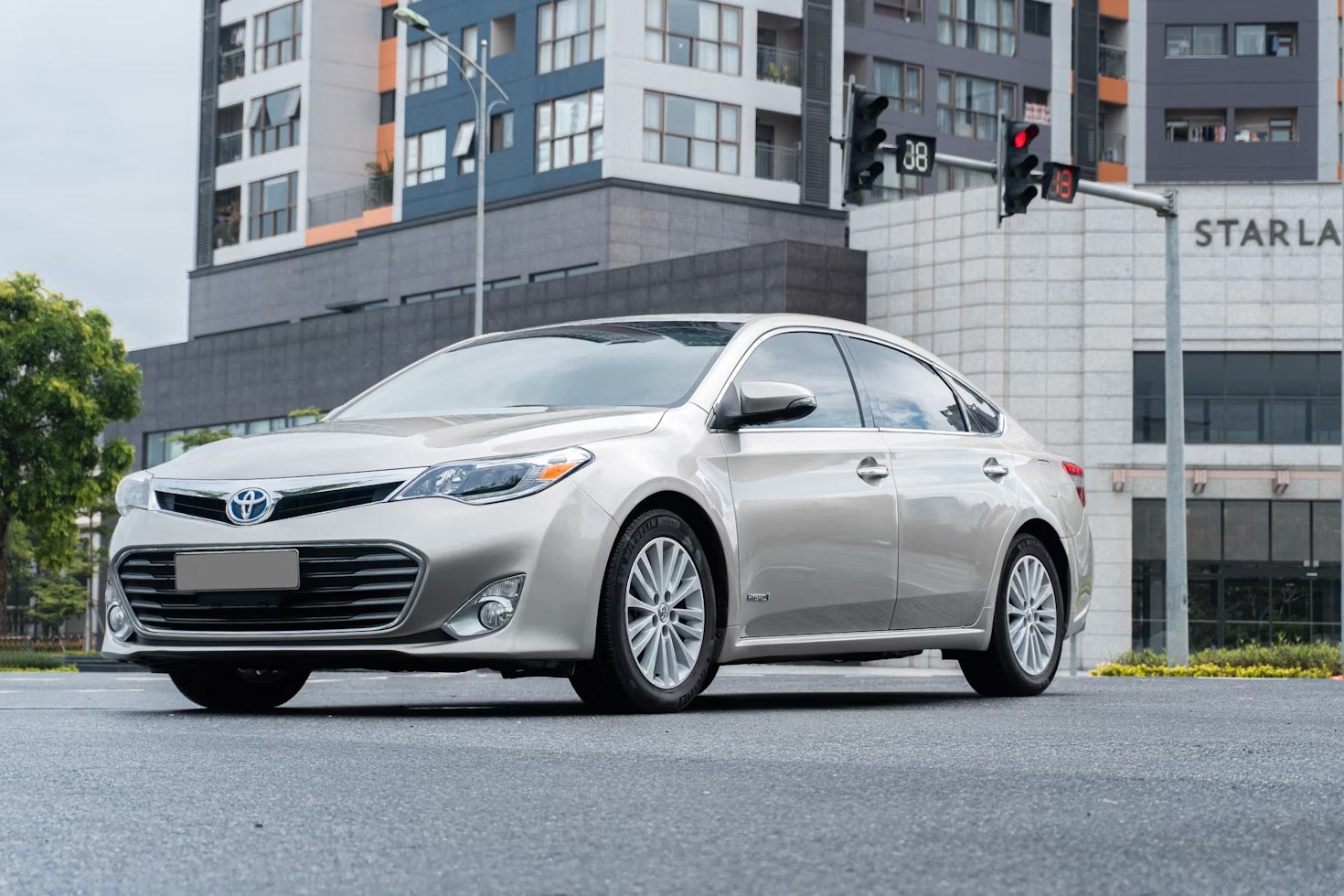
Auto tariffs are turning the Toyota marketplace upside down. Prices are highly variable, depending on which Toyota catches your eye — some models cost far more than last year, while others have barely budged in price. You could keep thousands of dollars in your pocket if you know which models have avoided the worst of these new trade policies. Our team at Longo Toyota of Prosper is here to help you understand the tariff impact on car prices before you shop for your next vehicle. more Toyota's Current Tariff Impact in 2025 Toyota's extensive North American factory network gives it a significant tariff advantage. These plants build roughly 50% of U.S.-sold vehicles at 11 American facilities, a number that jumps to 80% when you include Canadian and Mexican facilities. Popular models, such as the Camry and RAV4, escape the worst tariff hits since they're assembled domestically. Japanese imports face 15% tariffs, while Canadian and Mexican vehicles get hit with 25% rates. New car parts tariffs kicked in on May 2-3, 2025. Toyota's Kentucky plant produces 550,000 vehicles and over 600,000 engines annually, while an Alabama facility builds more than 3,000 engines daily, one-third of Toyota's entire U.S. engine production. This domestic manufacturing shields these models from the worst price shocks. Building where you sell makes perfect sense when trade policies flip overnight. Toyota's been growing its American footprint for years, while its competitors have stayed import-heavy. That foresight turned into a major competitive advantage when tariffs hit the industry. Direct Price Impact on Toyota Vehicles If you're eyeing a Toyota built here in the U.S., prices are holding steady for the Camry, Corolla, both Highlander versions (regular and hybrid), the larger Grand Highlander (also in gas and hybrid variants), the ever-popular RAV4, and the tough-as-nails Tundra pickup. The same goes for the Corolla Cross, Sequoia, and Sienna, all rolling off American assembly lines and dodging the worst of the import taxes. On the other hand, Toyota models built overseas are enduring price hikes you'll definitely notice on the window sticker. The eco-friendly Prius, the plug-in RAV4, the legendary Land Cruiser, the fancy Crown Signia, and the adventure-ready 4Runner are all taking hits. These vehicles come from factories in Mexico, Canada, Austria, and Japan — putting them squarely in the tariff crosshairs. If you're on a tight budget or have a fixed income, tariffs can completely change what you can afford. One interesting aspect is how these price differences create winners and losers within Toyota's own lineup. Two vehicles that might compete for the same buyer could have completely different price trajectories based solely on assembly location. This creates some strange situations where higher-trim domestic models might end up cheaper than lower-trim imported ones, completely flipping the normal pricing hierarchy. Savvy shoppers who understand these distinctions can spot opportunities, while others might walk away thinking all Toyotas are getting more expensive. Consumer Impact and Market Dynamics Tariffs are wreaking havoc beyond new car lots. Used Toyota prices could jump in wholesale markets, and entry-level buyers face the worst squeeze. Toyota offers six models under $30,000, starting with the Corolla at $22,725, but even these aren't immune to rising costs. Toyota has boosted its inventory significantly, while competitors have struggled. More cars usually means better deals, except tariffs work against this. Certified preowned Toyotas offer quality inspection processes and warranties without full tariff sticker shock. Different buyer segments feel vastly different impacts. Families eyeing a Highlander might absorb increases easily, while budget-minded Corolla shoppers might walk away entirely. Higher prices mean larger loans and longer terms — 72 or 84 months instead of 60 — just to keep payments manageable. Toyota vs. Its Competitors: Tariff Advantage Analysis Toyota is absorbing a $9.5 billion loss from tariffs this year. It slashed yearly forecasts, rattling investors worldwide, but it's taking less of a financial hit than its competitors, thanks to North American manufacturing. Industry comparisons tell the real story. Honda's profits dropped by 50%, and GM's Q2 operating profit fell $1.1 billion. Even smaller automaker Mazda faces nearly $1 billion in tariff damage. This means higher prices, reduced research and development, delayed updates, and fewer incentives. Toyota occupies a unique middle ground — it's neither fully domestic like Ford nor import-dependent like certain luxury brands. It can shift production between plants, adjust model pricing, and balance its global network. Decades of planning and billions invested are now paying dividends, resulting in more stable pricing across Toyota's lineup while competitors pass along nearly all tariff costs. Timing matters when buying a Toyota right now. Most tariff changes kick in within 30 days after announcement, with some manufacturers hiking prices early. The 25% tariff on imported cars and parts started April 3, but ripple effects continue. If you're undecided, you risk paying more as changes get announced. Focus on American-built models to dodge tariff hits, and check current Toyota incentives — rebates, lease specials, and low APR deals can help offset price jumps. Smart Toyota Buying Strategies in the Tariff Era Working with knowledgeable dealers can make a huge difference, as pricing varies wildly between similar models based on origin. Our expert team tracks which models offer the best value under current conditions and can explain financing strategies to offset increases. Visit Longo Toyota of Prosper today for the latest inventory, current incentives, and straight talk on minimizing the impact of tariffs on your purchase. We'll help you find a Toyota that fits your lifestyle and budget despite changing market conditions. a silver car parked on the side of a road by NAM CZ is licensed with Unsplash License

Best Places to Watch the Cowboys Game in North Dallas

There’s nothing like game day in North Dallas—especially when it’s the Dallas Cowboys taking the field. Whether you’re shouting at the refs, high-fiving strangers after a touchdown, or just there for the wings and beer, watching the Cowboys is more fun with a crowd. North Dallas is packed with fantastic sports bars and grills that bring fans together to cheer on America’s Team. With big screens, great food, and plenty of local spirit, these spots make every Sunday (or Monday night) feel like a celebration. If you’re looking for the perfect place to catch the next game, here are some of the best sports bar and grills in North Dallas. The Owner’s Box Located in the Omni Dallas Hotel, The Owner’s Box is a go-to spot for Cowboys fans who want an upscale game-day experience. With massive TVs—including a giant LED wall—you’ll have a front-row seat no matter where you sit. The menu combines elevated pub food with Southern flavors, making it easy to settle in for the full four quarters. The atmosphere is electric on game days, with fans decked out in Cowboys gear and plenty of energy to go around. If you want the big game paired with a big-game atmosphere, The Owner’s Box delivers. Shark Club Sports Bar & Grill Just north in Plano, Shark Club Sports Bar & Grill has become a fan-favorite spot for watching the Cowboys. With dozens of big screens spread across two levels, you won’t miss a single play. Their menu hits all the game-day classics—burgers, wings, nachos—plus a wide selection of drinks. Shark Club is known for its lively, friendly atmosphere that’s perfect for large groups of fans. Whether you’re grabbing a seat at the bar or reserving a table for the crew, this place makes game day feel like a party. BoomerJack’s Grill & Bar BoomerJack’s has multiple locations in North Dallas, and each one is a guaranteed good time for Cowboys fans. With wall-to-wall TVs, outdoor patios, and a menu full of hearty comfort food, it’s easy to see why locals love this spot. The wings and burgers are always crowd-pleasers, and the drink specials make it an affordable game-day hangout. BoomerJack’s is especially popular with families and groups of friends who want a relaxed environment with plenty of Cowboys pride. It’s the kind of place where every touchdown feels like a neighborhood celebration. Twin Peaks For fans who want more than just a place to sit and watch, Twin Peaks delivers with its lodge-style setting, scratch-made food, and ice-cold beer served at 29 degrees. Each location is decked out with large TVs and game-day energy, making it a favorite among Cowboys fans in North Dallas. The menu ranges from hearty burgers and steaks to shareable appetizers perfect for groups. Twin Peaks is all about atmosphere—lively, spirited, and ready for every big play. It’s a great choice if you’re looking for a sports bar with a little extra flair. The Rustic The Rustic in Uptown Dallas may be known for live music and a massive outdoor space, but it’s also an incredible spot to watch the Cowboys. With its giant patio, cold beer, and hearty Texas-inspired menu, The Rustic offers a more laid-back way to enjoy the game with friends. Big screens throughout the venue make sure you don’t miss a snap, and the casual, community vibe makes every game feel like a block party. For fans who want more of a social atmosphere with their football, The Rustic is the perfect pick. Christies Sports Bar & Grill Christies, located in Uptown, has long been one of Dallas’s favorite sports bars. With over 40 TVs, a huge bar, and a menu full of game-day staples, it’s built for fans who take their Cowboys seriously. The wings and nachos are always a hit, and the drink specials keep things lively well into overtime. Christies is also known for its friendly, welcoming vibe, making it a great spot to meet other fans. When the Cowboys are playing, expect the place to be packed with energy and excitement. North Dallas has no shortage of fantastic sports bars and grills where Cowboys fans can come together to celebrate every touchdown and argue over every call. Whether you’re in the mood for an upscale experience at The Owner’s Box, the lively crowd at Shark Club, or the laid-back fun of The Rustic, there’s a spot for every kind of fan. Watching the Cowboys is always more exciting with fellow fans, and these North Dallas hangouts make every game feel like an event. And when you’re heading out to your favorite sports bar, Longo Toyota of Prosper is here to help you get there in comfort, style, and reliability—so you can focus on cheering the Cowboys to victory.

Longo Toyota of Prosper Dealership

Why is Transparent Pricing Important for Car Buyers?

Transparent pricing isn't just a preference anymore. It's a necessity. Car buyers know what they deserve, and they're not afraid to demand it. That's why dealerships like Longo Toyota of Prosper are proudly stepping up to the plate and offering a fresh take on car shopping. more What Transparent Pricing Really Means for Car Buyers Buying a new or used car used to feel like a guessing game. Offers were hard to compare, fine print was everywhere, and shoppers were left wondering if they got a fair deal. Today, things are changing. Car buyers come prepared with online research and expect clarity at every step… and the best dealerships are stepping up to meet those expectations.  At Longo Toyota of Prosper, we believe car buying should be simple, clear, and stress-free. Here’s what “transparent pricing” means to us. What We Mean by Transparent Pricing Transparent pricing is about giving you clear, easy-to-understand information so you can make confident decisions. That means: Upfront, all-inclusive pricing: We show you the real price of the car, including add-ons you select, so you know what you’re paying for. Clear fee breakdown: Fees are disclosed up front so there are no surprises. Straightforward financing terms: Interest rates, monthly payments, down payment, and the length of the financing term are clearly spelled out. No hidden fees: Our goal is to make sure everything is explained before you sign. Why It Matters Today’s shoppers have access to tools like Carfax, Kelley Blue Book, and Edmunds.  They know what a vehicle should cost and expect honesty from start to finish. Clear, upfront pricing saves time, avoids stress, and builds trust. Your Peace of Mind Transparent dealerships provide clear information about vehicle features and warranties and help you understand what to do if your vehicle has problems. We’ll walk you through these steps if an issue ever comes up, so you always know what to expect. Identifying Issues Confirm the advertised price, inclusive of add-ons and availability of special offers upfront, so you don't find out at the end of your negotiations about the true price or that you "don't qualify" for the deal you were relying on. Get pricing and promotions in writing at every step of the process. A transparent dealership won't hesitate to provide this information. Toyota’s TSRP vs MSRP A common question we get at Longo Toyota of Prosper is, “How is TSRP different from MSRP?” It is a good question, as many people assume that this new term is a misrepresentation of the true pricing of a vehicle. However, it is the opposite. TSRP (Total Suggested Retail Price) is the same as MSRP (Manufacturer’s Suggested Retail Price) plus any additional fees such as delivery and processing fees. Toyota wanted to add more transparency to their pricing by adding on any additional dealership fees to the upfront price so customers would have a clearer idea of the total vehicle cost. Why We Do It Our goal is simple: to create a buying experience that reflects values like honesty, respect, and community. We want you to leave our dealership feeling confident — not wondering what you missed. Come visit Longo Toyota of Prosper and see what a modern, transparent car-buying experience feels like. Enjoy Transparent Pricing in Your Next Car Purchase At Longo Toyota of Prosper, we're committed to providing transparent pricing and honest communication. You'll always know exactly what you're getting. Integrity and reliability are among our top values. Come meet our team and see what the modern car-buying process is all about.

Longo Toyota of Prosper Sale

How to Choose a Dealership You Can Trust

Buying a car is a big decision, but it doesn’t have to be stressful. When you know what to look for, you can shop with confidence and find a dealership that’s as committed to honesty as you are. more Do Your Homework First Before you visit any dealership, check reviews and ratings online. Look for stores with a long-standing reputation and satisfied customers. Research the vehicles you’re interested in and decide on your budget ahead of time. Look for Clear, Upfront Pricing A trustworthy dealership will make pricing easy to understand. Expect: Disclosure of fees with no surprises. Clear explanations of financing terms, interest rates, and monthly payments. A transparent breakdown of add-ons or optional products  — so you can choose what’s right for you.  There should be no surprises when you show up at the dealership. OEM Add-On Equipment is equipment that comes attached to the vehicle from the factory and often is priced into the MSRP, as it cannot be removed. Dealer-Added Accessory: A physical item installed by the dealer (like window tint or a lift kit) that changes the vehicle’s price — it should be clearly shown in the ad up front. Dealer Optional Product/Service: A voluntary protection plan or F&I product (like extended service contracts or tire and wheel protection) that’s not required to buy the vehicle — it should be presented as completely optional. Ask for Documentation Good dealerships will gladly provide written details on pricing and offers. This protects you and helps you compare options. Take Your Time You should never feel pressured to buy before you’re ready. A professional sales team will give you space to make a decision and answer your questions honestly. A good dealership will never tell you that you “have to” buy an optional product. Choose a Dealership That Values Integrity At Longo Toyota of Prosper, we’re committed to clear communication, transparent pricing, and a pressure-free environment. Our goal is to make your car-buying experience simple, straightforward, and enjoyable — so you can drive away with confidence. Pre-Visit Preparation to Spot Red Flags Early The best way to avoid red flags at a dealership is to do your due diligence. Check dealership ratings and reviews. Know what you want before you arrive. Do your research and find vehicles that fit your lifestyle and are within your budget. Evaluate your budget before you start shopping using online tools such as a payment calculator. TSRP vs. Out-the-Door Pricing Changes Steep discounts that seem too good to be true often are. When looking at these vehicles online, make sure to look through the full breakdown of the dealer’s pricing. If there are no fees listed online, then you can expect to encounter them when you sign for the vehicle. You can also call the dealership to get the expected cost of fees before you even show up for a test drive. Additionally, many Toyota dealerships have changed their online listed prices from MSRP(Manufacturer’s Suggested Retail Price) to TSRP(Total Suggested Retail Price). TSRP will automatically list the expected dealership fees, while MSRP will not. This is Toyota’s attempt to increase its transparency in pricing to avoid these sticker shock moments. Avoid Unnecessary Additional Fees You can expect typical fees like sales tax, registration fees, car title fees, and inspection fees. However, you shouldn't have to pay for expenses like market adjustment fees or used car reconditioning fees. Watch out for add-ons that were not included in the advertised price and that you didn't ask for, like paint protection and electronics warranties. Some states limit what dealerships can charge in document processing fees. In Texas, dealers can't charge more than $225 for documentation fees. If you're asked to pay a higher amount, this is a red flag. Vehicle Condition and Inspection Red Flags You can and should have the opportunity to inspect and test drive your vehicle before you finalize your purchase. If the dealership refuses, it's a red flag. You should also request a vehicle history report. Most reliable dealerships offer these upfront. Most dealers charge a reconditioning fee, but Longo Toyota of Prosper does not. How to Respond When You Spot Red Flags Request documentation through every part of the car-buying process. Any time the salesperson mentions a special offer, ask to get it in writing. Ask questions if you encounter inconsistencies. Choose a Reliable Dealership for Your Next Purchase Our team at Longo Toyota of Prosper is committed to providing honest communication and transparent pricing. We practice integrity in all our negotiations, so you can rely on a comfortable car-shopping experience.

Toyota Grand Highlander

What Is the Difference Between the Toyota Highlander and Grand Highlander?

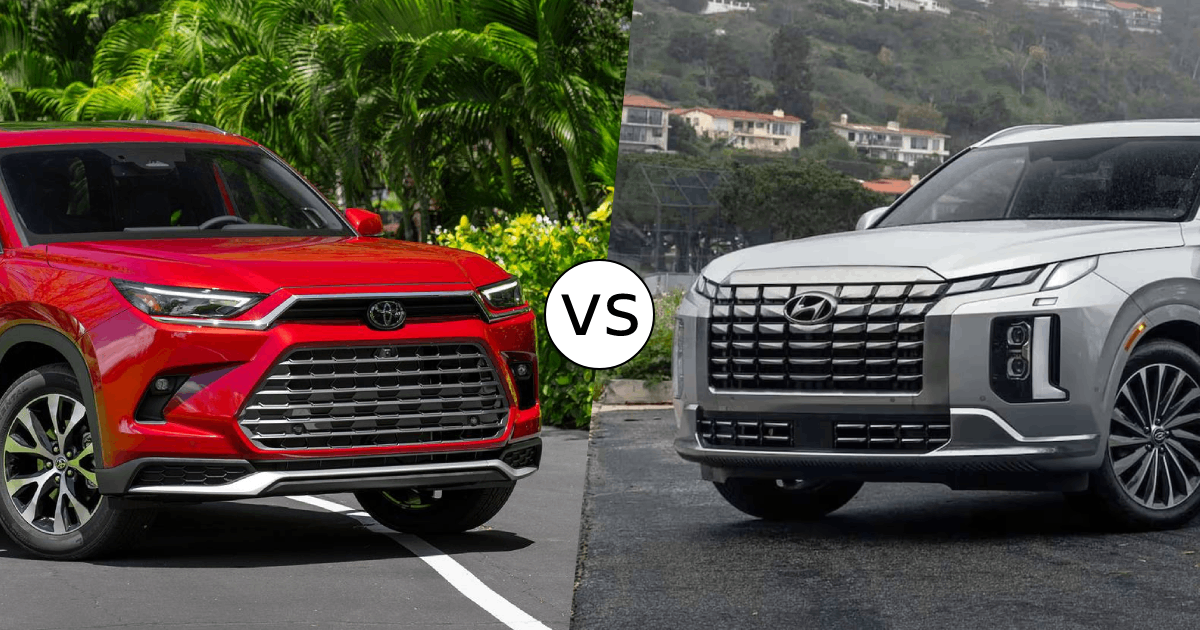
Stuck between choosing the Toyota Highlander vs. the Grand Highlander? You're definitely not the only one wondering about the actual differences between these two Toyota SUVs. Though they may share similar names, these three-row vehicles cater to quite different family needs and driving styles. Let's break down what sets these popular Toyota models apart so you can figure out which one fits your family's actual day-to-day life. more What Makes These Two SUVs Different? The Toyota Highlander and Grand Highlander aren't just different sizes of the same car — they're completely separate models. The Grand Highlander gives you way more space, especially in the third row, which matters a lot if you've got a bigger family or regularly haul extra passengers. Both SUVs come with hybrid options and Toyota's safety tech, but they fill different roles in the lineup. The standard Highlander focuses on getting better gas mileage and being easier to drive around town, making it a great daily driver for smaller families who care about saving money on gas. The Grand Highlander, meanwhile, emphasizes roominess and serves families who actually use the third row all the time and need tons of cargo space for all their Texas adventures. Size and Dimensions When comparing the Grand Highlander vs. the Highlander, you'll notice the size difference right away. The Grand Highlander is 201.4 inches long, 78.3 inches wide, and 70.1 inches tall, with a wheelbase of 116.1 inches. With the regular Highlander standing 68.1 inches tall, 194.9 inches long, and 76 inches wide, the Grand Highlander is bigger across every measurement. This extra size translates into real usable space that matters when you're loading up for family road trips or dealing with school pickup madness in Prosper's busy parking lots. As for interior space, the Grand Highlander offers 153.3 cubic feet of passenger room compared to the Highlander's 141.3 cubic feet. Behind the third row, you get 20.6 cubic feet of cargo space vs. just 16 cubic feet in the regular Highlander. Fold those seats down, and the Grand Highlander offers a maximum of 97.5 cubic feet vs. 84.3 in the standard model. Performance and Powertrain Options The Highlander Hybrid is equipped with a 243-horsepower four-cylinder 2.5-liter gas engine paired with electric motors, standard all-wheel drive (AWD), and a continuously variable transmission. The non-hybrid version produces 265 horsepower using a turbocharged 2.4-liter engine. The hybrid achieves 35 mpg combined, while the regular version gets 25 mpg with front-wheel drive (FWD) or 24 mpg with AWD. You also get a towing capacity of 3,500 to 5,000 pounds. The Grand Highlander offers three powertrains: a standard 265-horsepower 2.4-liter turbo engine, a 245-horsepower combined 2.5-liter hybrid, and a 362-horsepower combined Hybrid MAX 2.4-liter turbo. The Grand can also tow up to 5,000 pounds. In exchange for this power, it gets slightly lower gas mileage at 24 mpg combined with FWD and 23 mpg combined with AWD. Grand hybrids get up to 34 mpg combined. Seating Configuration and Interior Layout The seating setup differs between models, affecting both comfort and how you'll use these SUVs. All Highlander models come with three rows and seat at least seven people, with eight-passenger seating only available on the base LE. Most other Highlander versions only come with captain's chairs in the second row, making it more comfortable and easier to reach the back. However, with only 28 inches of legroom available, the Highlander's third row works best for kids — not full-sized adults. The Grand Highlander features a similar seating arrangement, but with a generous 33.5 inches of legroom in the third row. The eight-passenger setup comes with 60/40-split folding bench seats in the second row, while the seven-passenger version features two captain's chairs with dedicated armrests. Technology and Infotainment Features The tech packages vary between these two, with the Grand Highlander typically featuring more advanced tech as standard. The Highlander starts with an 8-inch touch screen, though upgrading to the dual 12.3-inch displays in the Limited and higher trims makes a big difference in how easy everything is to use. Wireless Android Auto and Apple CarPlay come standard across all Highlander models. The Grand Highlander features a large 12.3-inch multimedia touch screen with wireless Apple CarPlay and Android Auto. Plus, an available 11-speaker JBL system makes those boring drives a lot more fun. For keeping devices charged, both models include USB-C ports throughout the cabin and a wireless charging pad on certain trims. Safety Features and Ratings Both Toyota models put safety first, but they offer different standard equipment. The Highlander has earned a Top Safety Pick award from the Insurance Institute for Highway Safety and a five-star rating from the National Highway Traffic Safety Administration (NHTSA). It comes with Toyota Safety Sense 2.5+, which includes adaptive cruise control, lane-tracing assist, and a pre-collision system to make driving on busy Texas highways less stressful. The Grand Highlander also features five-star NHTSA ratings and comes with Toyota's newest 3.0 Safety Sense package, which adds Proactive Driving Assist. You also get a digital rearview mirror with HomeLink and a 360-degree camera system that helps you park this large SUV in Prosper's crowded shopping centers and school parking lots. Trim Levels and Pricing Structure Offering 10 trims — four gas models and six electrified versions — the Grand Highlander's prices range from $40,860 for the base LE to $58,775 for the top-tier Hybrid Max Platinum. On the other hand, the 2025 Toyota Highlander begins at $40,320 for the LE and goes up to $54,475 for the Hybrid Platinum. Which Toyota SUV Should You Choose? Choose the more compact Highlander if you have a small family and are looking to save on gas and park easily. It works perfectly if you rarely use the third row or mainly seat kids there. But if you have a larger family, the Grand Highlander's comfortable third-row seating and large cargo area are hard to ignore. Relatively similar in price, you'll need to decide whether you prioritize the Highlander's fuel efficiency or the Grand Highlander's size and roominess. Find Your Perfect Toyota SUV at Longo Toyota of Prosper Choosing between the Toyota Highlander and Grand Highlander means weighing fuel efficiency and maneuverability against maximum space and comfort. Both offer Toyota's reliability and safety technology, but serve different family needs. Visit Longo Toyota of Prosper to test-drive both models and find your perfect match. Our team understands Prosper families' needs and can help determine which SUV delivers the best value for your driving habits. Whether handling school runs or weekend adventures, we'll guide your decision.

2025 Toyota Prius Plug-In Hybrid

What Are Toyota's Most Efficient Vehicles?

Rising gas prices are a significant concern for families in North Texas, making choosing the most fuel-efficient Toyota cars a priority. Toyota recently maintained its position as the world's largest automaker for the fifth year in a row. This achievement is mainly driven by strong hybrid vehicle sales and the company's focus on sustainable solutions. Our team at Longo Toyota of Prosper put together this guide to Toyota's most fuel-efficient cars for 2025, including real-world performance data and detailed comparisons to help you find the model that best fits your needs. more Prius Plug-In Hybrid The Prius Plug-in Hybrid is Toyota's most fuel-efficient 2025 model. This sleek ride offers notable fuel savings for daily commutes to Dallas or Plano. Its fifth-generation hybrid system uses a 2.0-liter four-cylinder engine that integrates with two electric motors and a 13.6 kWh lithium-ion battery to produce 220 horsepower and 139 lb-ft of torque. Available with front-wheel drive (FWD) only, the car provides an EPA-estimated all-electric driving range of 39-44 miles, depending on the trim, earns up to 53 mpg in the city, 51 mpg on the highway, and 52 mpg combined in hybrid mode, and achieves up to 127 MPGe. It offers three primary driving modes: EV Mode, Hybrid, and Auto EV/HV Mode, which automatically switches between electric-only and hybrid power based on driving conditions. The Prius Plug-in Hybrid takes approximately 11 hours to fully charge on a standard 120-volt outlet (Level 1) or around four hours on a 240-volt Level 2 charger. Prius Hybrid The 2025 Prius Hybrid Prime features a 2.0-liter I-4 gas engine paired with two electric motors, producing up to 194 horsepower in FWD models. All-wheel-drive (AWD) variants add a permanent-magnet electric motor to the rear axle, increasing total powertrain output to 196 horsepower. It earns 49-57 mpg in the city and 50-54 mpg on the highway, depending on the configuration. Corolla Hybrid All three 2025 Corolla Hybrid trims come equipped with a 138-horsepower 1.8-liter four-cylinder hybrid system. FWD is standard, and AWD is optional. The EPA estimates the FWD Corolla Hybrid will achieve up to 53 mpg in the city and 46 mpg on the highway, while the AWD version is rated for 51 mpg in the city and 44 mpg on the highway. Thanks to its powerful hybrid system, this is a solid choice if you value reliability and low operating costs, blending practicality with efficiency for everyday commutes and weekend getaways. Camry Hybrid For the 2025 model year, the Toyota Camry is only available as a hybrid. It features a 2.5-liter four-cylinder engine paired with an electric motor, delivering 225 horsepower with FWD or 232 horsepower with the available AWD system. Fuel efficiency ranges from 53 mpg in the city and 50 mpg on the highway for the base LE FWD to 44 mpg in the city and 43 mpg on the highway for the XSE AWD model. Corolla Cross Hybrid The five-passenger 2025 Corolla Cross Hybrid is a practical, compact SUV. Its powertrain includes a 2.0-liter I-4 engine and three electric motors, delivering a combined 196 horsepower and 151 lb-ft of torque for smooth merging and hill climbing. AWD comes as standard. EPA estimates for the Corolla Cross Hybrid are 45 mpg in the city, 38 mpg on the highway, and 42 mpg combined. If you're an active family looking for SUV capability without high fuel costs, this vehicle is an excellent choice. Crown The 2025 Toyota Crown is the last remaining hybrid in the full-size sedan segment. Fuel economy ratings for this luxury vehicle are much better than those of many compact cars, with the base model able to reach 42 mpg in the city and 41 mpg on the highway. The standard 236-powertrain includes a 2.5-liter four-cylinder engine and three electric motors, while the top-tier Platinum has a turbocharged 2.4-liter I-4 and an electric motor on the rear axle, delivering 340 horsepower. RAV4 Hybrid EPA-estimated fuel economy ratings for the 2025 RAV4 Hybrid are impressive, with most trims achieving 41 mpg in the city, 38 mpg on the highway, and 39 mpg combined. AWD comes standard, boosting this spacious SUV's capability. The standard RAV4 Hybrid combines a 2.5-liter engine with two electric motors for a total of 219 horsepower and smooth, efficient performance. Whether you're hauling kids, sports gear, or camping equipment, this hybrid SUV offers great value. Highlander Hybrid The 2025 Highlander Hybrid offers excellent fuel economy for a three-row SUV, making it a great choice if you're looking for a reliable, family-friendly vehicle that helps save on gas. It features a 2.5-liter I-4 engine paired with three electric motors to produce 243 horsepower. Standard models are estimated to get 35 mpg in both city and highway driving, while the Hybrid MAX powertrain in the Grand Highlander achieves 26 mpg in the city and 27 mpg on the highway. Sienna Sold exclusively with a hybrid powertrain, the 2025 Toyota Sienna stands out in the minivan segment. Its 2.5-liter four-cylinder engine and electric motors produce a combined 245 horsepower, offering smooth and quick acceleration along with excellent fuel economy. FWD models have an EPA-estimated rating of 36 mpg combined, making them leaders in their class. An available AWD system adds a third motor for better traction in various conditions. This van shows that large family vehicles don't have to consume a lot of gas. Shop Toyota Cars With the Best Gas Mileage at Longo Toyota of Prosper Toyota's 2025 lineup shows that efficiency doesn't mean sacrificing performance. From the compact Prius to family-friendly SUVs, there's an efficient Toyota to meet your requirements. Owning a hybrid can save you 20% to 35% on fuel costs compared to traditional gas-powered cars. Additionally, government incentives can range from $250 to $7,500 for qualifying new and used electric and plug-in hybrid vehicles. To experience Toyota's most economical vehicles yourself, contact us or visit our Longo Toyota of Prosper dealership to explore our inventory and schedule a test-drive. We'll help you find the perfect model for your lifestyle and budget.

2025 Toyota Tundra vs. Ford F-150

2025 Toyota Tundra vs. Ford F-150

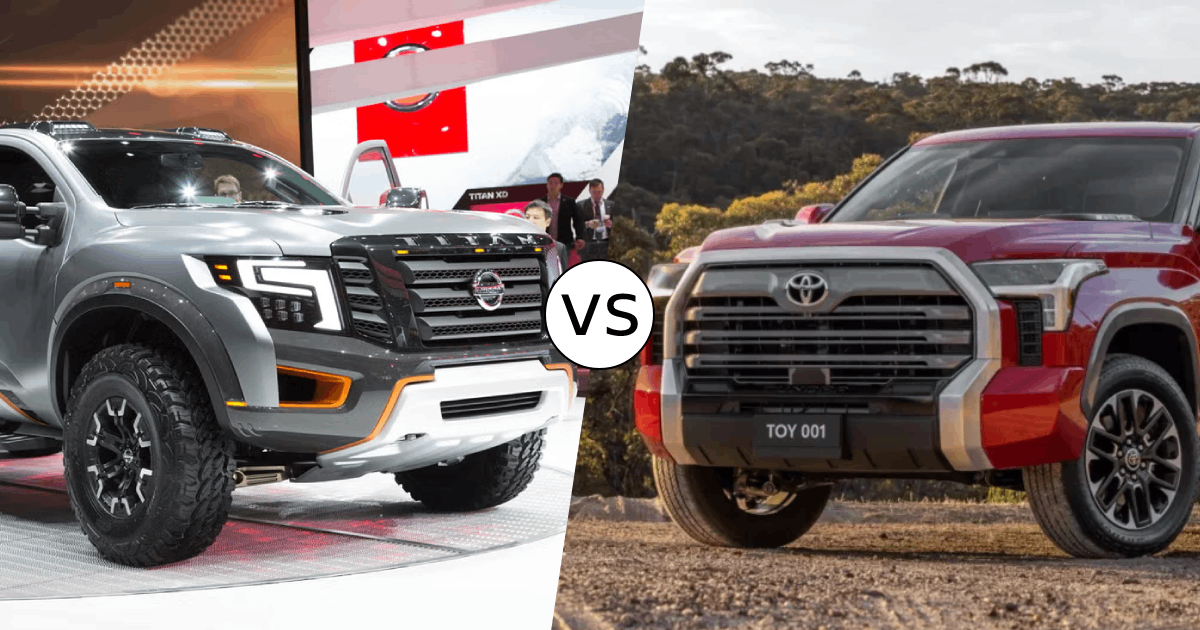
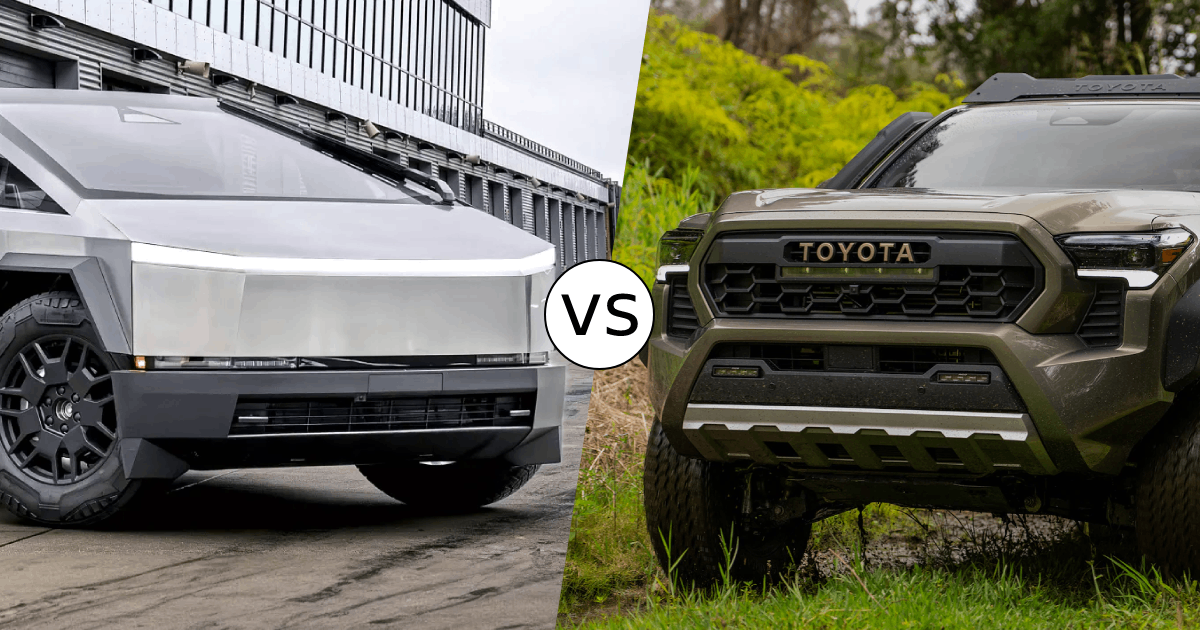
When you're discussing full-size pickups, two names always find their way into the conversation: the Toyota Tundra and the Ford F-150. For 2025, both trucks deliver serious power, smarter technology, and that all-around versatility Texans rely on for workdays, weekend projects, and long highway drives. The Tundra, in particular, has been fine-tuned with trims and features that cater to both hauling equipment and driving into town for a night out. It's a tough truck that's easy to use every day, built with Toyota's dependable quality. At Longo Toyota of Prosper, we understand that choosing between these two trucks isn't simple. So, let's break it down and see which one, the Tundra or the F-150, fits your lifestyle best. more 2025 Toyota Tundra vs. Ford F-150 Specs: Key Changes for the 2025 Model Year The 2025 lineup introduces a few fresh updates to both trucks, making for an interesting comparison of truck specs. Ford's F-150 remains largely unchanged after its major 2024 refresh, but it introduces a new Lobo trim featuring a lowered suspension, sportier styling, a light-up grille, and unique 22-inch wheels. With the Toyota Tundra, the focus is on comfort and style upgrades. The SR5 now comes standard with eight-way power seats and a new TRD Rally appearance package; higher trims, such as the Platinum and Capstone, feature massaging front seats. Even the 1794 Edition receives a special embossed tailgate design. 2025 Ford F-150 vs. Toyota Tundra: Engine Performance and Powertrain Comparison With regard to power and performance, both the 2025 Toyota Tundra and Ford F-150 provide impressive capability. Ford offers a wide range of options, from a 2.7L EcoBoost V-6 engine to a 5.0L V-8 engine and hybrid setups, providing 450 horsepower with its PowerBoost hybrid. The 2.7L EcoBoost earns an EPA estimate of 19 mpg in the city and 25 mpg on the highway, while the stronger 3.5L twin-turbo V-6 delivers 17 mpg in the city and 25 mpg on the highway. Toyota takes a different route with its i-FORCE engines. Instead of juggling several smaller choices, the Tundra focuses on two powerful setups. The standard 3.4L twin-turbo V-6 produces 389 horsepower and 479 lb-ft of torque, while the i-FORCE MAX hybrid boosts output to 437 horsepower and 583 lb-ft of torque. Efficiency also maintains its competitive edge. Two-wheel-drive Tundra models are EPA-rated at 20 mpg in the city and 24 mpg on the highway, with a slight decrease for four-wheel-drive models. With this balance of strength and fuel economy, the Tundra is ideally suited for both heavy-duty jobs and everyday driving. 2025 Ford F-150 vs. Tundra: Towing and Hauling Capabilities Both trucks have excellent hauling capabilities, but each delivers in its own way. The 2025 Ford F-150 can be configured to tow up to 13,500 pounds when equipped with the 3.5L EcoBoost engine, with a payload capacity of 2,455 pounds. It also offers tools, including Pro Trailer Backup Assist and Smart Hitch, to make the heavy jobs more manageable. The Toyota Tundra can tow up to 12,000 pounds and carry almost 2,000 pounds in the bed. Features such as Tow/Haul modes, an integrated trailer brake controller, and available air suspension make hauling easier. You can also choose the cab and bed size that best suits your needs; the Tundra performs well whether you're at a job site or just having fun. 2025 Ford F-150 vs. Tundra: Interior Design and Technology Features Inside both pickups, you'll find plenty of modern touches that make them feel less like work trucks and more like everyday companions. The 2025 Ford F-150 keeps things practical with a standard 12-inch touch screen on most trims, SYNC 4 for easy controls, and a digital gauge display. Higher trims add handy extras, such as the fold-out Interior Work Surface or seats that recline nearly flat for quick breaks on long hauls. The Tundra takes a slightly different approach, focusing on size and comfort. The standard 8-inch Toyota audio multimedia screen is sharp and responsive, but if you prefer a larger screen, the available 14-inch display really stands out. There's also an optional 12.3-inch digital gauge cluster that puts customizable driving information right in front of you. Add in wireless Apple CarPlay and Android Auto, and you're connected without the clutter of cords. Top trims add luxury to the mix with leather seating, ventilated front seats, and a panoramic moonroof that significantly opens up the cabin. 2025 Tundra vs. F150: Safety Features and Driver Assistance The 2025 Tundra and F-150 both offer a range of advanced safety technologies. Ford's Co-Pilot360 offers driver aids, including trailer assist and available hands-free driving with BlueCruise. Toyota keeps it simple by making Toyota Safety Sense 3.0 standard on every trim, featuring a precollision system, blind-spot monitoring, and a panoramic view monitor. You don't have to select a higher trim or pay extra to get these features, which makes the Tundra feel like solid value no matter which version you choose. 2025 Toyota Tundra vs. 2025 Ford F-150: Off-Road Performance and Capabilities Both trucks offer serious off-road capabilities, but they do so in different ways. The F-150 is available in three upgrades: the FX4 package, the Tremor, and the wild Raptor for desert runs. Toyota emphasizes control and balance — both the TRD Off-Road and TRD Pro trims feature Crawl Control, Multi-Terrain Select, and FOX shocks. Additionally, the part-time four-wheel-drive system is designed to tackle tough trails without compromising comfort on the highway. The Tundra feels more trail-ready than the F-150 while still comfortable for everyday use. Which Truck Wins in 2025? The 2025 Toyota Tundra and Ford F-150 are both excellent trucks, but they excel in different areas. The F-150 boasts impressive towing capabilities and multiple engine options, making it a reliable workhorse. Meanwhile, the Tundra offers Toyota dependability, is easier to drive every day, and its interior feels more upscale. Additionally, it holds its value well when you sell it. With regard to Tundra versus F-150 reliability, owners often point to Toyota's stronger track record. The F-150 earns praise for comfort and performance, but less so for its long-term dependability. Test-Drive the 2025 Toyota Tundra in Prosper, Texas Experience the 2025 Toyota Tundra firsthand and discover the difference for yourself. Whether it's work, family, or weekend fun, this truck's built to handle all options. Visit Longo Toyota of Prosper today or schedule your Tundra test-drive online; you won't want to leave without it.

Where to Get Pumpkins in Frisco, TX

Fall has arrived in Frisco, and that means it’s time to break out the flannel, sip on a pumpkin spice latte, and head to your favorite pumpkin patch. Whether you're on the hunt for the perfect pumpkin to carve, planning a fun day out with the kids, or simply want to soak up some good old-fashioned fall vibes, you don’t have to go far. There are plenty of pumpkin patches open to the public within 30 minutes of Prosper that offer everything from corn mazes and petting zoos to tractor rides and delicious fall treats. If you’re a Frisco or Prosper resident looking to make the most of pumpkin season, you’re in the right place. Here are some of the top pumpkin patches nearby where you can pick the perfect pumpkin and enjoy a day of autumn fun. more Pumpkin Nights at Howell Farms Pumpkin Nights is typically held at Howell Farms in Arlington, but for something closer, keep an eye on their pop-up experiences and themed events. While the full-scale festival may require a bit of a drive, Frisco locals can still enjoy mini-events hosted closer to home in select years. If you’re up for an evening of glowing pumpkins, live performances, and immersive trails, this one is worth keeping on your radar for when it returns to the area. Team Family Farms Just 25 minutes from Prosper, Team Family Farms is a charming, family-run pumpkin patch that has become a favorite for North Texas families. They offer a wholesome, down-home experience with photo ops, hayrides, a hay maze, and a mini petting zoo. The vibe is relaxed and friendly, with plenty of open space for kids to run around. Their pumpkin selection is solid, and you can even grab a decorative gourd or two for your front porch. Preston Trail Farms Located about 20 minutes north of Frisco in Gunter, Preston Trail Farms is home to the Big Orange Pumpkin Farm. This farm is ideal for families with younger children, offering feed-the-animals areas, hayrides, a corn maze, and of course, an impressive selection of pumpkins. You can stroll through their pumpkin patch and pick one straight from the vine. The farm also has a great little store filled with treats, fall décor, and country gifts. Halls Pumpkin Farm A bit closer to the 30-minute mark, Halls Pumpkin Farm is a seasonal staple in the Dallas-Fort Worth area. It’s a classic fall destination with a no-frills pumpkin patch, corn maze, and hayrides. The atmosphere here is rustic and nostalgic, with barn animals and photo-worthy setups that scream autumn. Their pumpkins are priced reasonably, and it’s a favorite for those looking for a laid-back, authentic farm feel. The Flower Mound Pumpkin Patch This long-standing patch in Flower Mound is worth the short drive for the sheer number of photo ops alone. The Flower Mound Pumpkin Patch is known for its cartoon character cutouts, bounce houses, picnic tables, and kid-friendly activities. Admission includes unlimited fun for the kids, and they sell food, drinks, and all kinds of decorative pumpkins. The atmosphere is festive and lively—perfect for a fall family day trip. Storybook Ranch Right in neighboring McKinney and just a 20-minute drive from Prosper, Storybook Ranch offers a magical fall experience. Operated by River Ranch Educational Charities, this ranch includes a petting zoo, hayrides, bounce houses, and a large pumpkin patch. Best of all, proceeds support underprivileged youth in North Texas. So while you're enjoying a fun afternoon with your family, you’re also helping a good cause. It’s a win-win! Christ United Methodist Church Pumpkin Patch If you're looking for something quick and low-key, the Christ UMC Pumpkin Patch in Plano is perfect. It's a small, community-run patch with a lovely selection of pumpkins in all shapes and sizes. While it doesn’t have the bells and whistles of a full farm, it’s great for a quick photo session, pumpkin shopping, or a peaceful outing with little ones. The proceeds support the church’s youth programs, so your pumpkin purchase helps the local community. Elves Farm While it pushes just outside the 30-minute zone, Elves Farm in Denison deserves a shoutout if you're up for a slightly longer drive. This working farm is packed with seasonal charm. In addition to their pumpkin patch, they offer a corn maze, farm zoo, jump pad, and apple cider. It’s more of a full-day outing, so pack some snacks and bring the whole crew for a festive fall road trip. Grace Avenue United Methodist Church Pumpkin Patch Located right in Frisco, this local church hosts an annual pumpkin patch that’s super convenient and family-friendly. With rows of pumpkins laid out on the lawn, it’s a great spot to pick out your seasonal centerpiece and snap some cute fall photos. Events like movie nights and storytime are occasionally hosted as well. It's a low-pressure, high-fun experience perfect for families who want to stay close to home. Big Orange Pumpkin Farm at the Dallas Farmers Market For those wanting to pair pumpkin shopping with great food and local shopping, check out the seasonal Big Orange Pumpkin Farm pop-up at the Dallas Farmers Market. While smaller than traditional patches, it offers high-quality pumpkins, fun fall decorations, and family-friendly activities in the heart of downtown Dallas—still within a reasonable drive of Prosper. It’s a fun and unique take on pumpkin picking. Whether you're looking for an all-day farm adventure or a quick local stop, there’s no shortage of pumpkin patches near Frisco and Prosper. From the full-blown festivities at Preston Trail Farms and Team Family Farms to smaller, community-centered patches like Grace Avenue UMC, there's something for everyone just minutes from home. You don't have to travel far to find fun, fresh pumpkins and a whole lot of fall magic. And if your fall adventures have you thinking about your next road trip—or your next vehicle—swing by Longo Toyota of Prosper. Whether you're hauling pumpkins, kids, or both, they’ll help you find the perfect vehicle for the season. Here's to a festive, fun, and pumpkin-filled fall in Frisco! 🍁🎃

Times Ten Cellars

Top Wine Tasting Experiences in Dallas, TX

Dallas might be best known for its big-city energy, world-class dining, and rich history—but it’s also an underrated haven for wine lovers. Within a short drive from downtown, you’ll find everything from sleek urban wineries to rustic tasting rooms serving up Texas-grown varietals. Whether you’re a seasoned wine connoisseur or just someone who enjoys a relaxing glass of red after work, Dallas has a wine tasting experience that will suit your style (and your palate). So if you're ready to discover bold reds, crisp whites, and flavorful blends—plus charming settings and warm hospitality—check out these top wine tasting experiences within 30 minutes of Dallas, TX. Get ready to sip and swirl your way through the city’s finest pours. more Times Ten Cellars Located in the heart of Lakewood, Times Ten Cellars is a local favorite for a reason. This inviting urban winery sources grapes from its own vineyards in Alpine, Texas and blends them right here in Dallas. The tasting room is spacious and relaxed, with a candlelit ambiance that makes it perfect for date nights or catching up with friends. Choose a flight of reds, whites, or a mix—and don’t skip their Tempranillo, a Texas-grown standout. Their onsite wine bar also serves up small plates, so you can snack while you sip. Checkered Past Winery Checkered Past Winery in the historic South Side on Lamar building brings a laid-back, rock-and-roll vibe to the wine scene. Owned by a local sommelier and musician, this hip wine pub focuses on small-batch Texas wines—especially those from lesser-known vineyards. The menu includes wine flights, craft beer, and delicious flatbreads to pair with your glass. Live music is often on the lineup, and the casual, unpretentious atmosphere makes it a great spot to relax with friends while expanding your wine knowledge. Dallas Fine Wine & Spirits For those looking for an upscale tasting experience without leaving the city limits, Dallas Fine Wine & Spirits offers curated tastings in a stylish, boutique setting. Located near Uptown, this shop offers weekend wine tastings featuring everything from bold cabernets to crisp Italian pinot grigios. The knowledgeable staff is great at helping you discover something new, and they often feature rotating guest pours from both international and Texas wineries. Whether you're shopping for a bottle or staying for a flight, the experience is top-tier. Veritas Wine Room Nestled in the Knox-Henderson neighborhood, Veritas Wine Room is part wine bar, part cheese shop, and entirely delightful. They focus heavily on Texas wines, but their selection spans boutique producers from around the world. The cozy, library-like atmosphere—with dim lighting, wooden shelves, and leather chairs—makes it the perfect place to unwind after a busy day. Their rotating wine flights are well-curated, and the charcuterie boards are worth the visit on their own. Bonus: they also host themed tastings and wine education events throughout the month. Scout & Cellar Wine Bar A short drive up to Farmers Branch brings you to the Scout & Cellar Wine Bar, a chic and modern tasting space operated by the local clean-crafted wine brand. Scout & Cellar prides itself on making wine with no artificial additives or added sugar, and you can truly taste the difference. Their tasting bar offers flights of red, white, and sparkling wines—all made from sustainably sourced grapes. With friendly staff, a welcoming atmosphere, and a focus on health-conscious sipping, it’s a unique experience that blends style and substance. Wine Tasting, Dallas Style There’s no need to head out to Napa when you can enjoy top-tier wine tasting experiences right here in Dallas. From the Texas-grown varietals at Times Ten Cellars to the globally inspired pours at Veritas Wine Room, these spots prove that Dallas knows its way around a wine glass. Whether you're looking for something trendy, traditional, educational, or just plain fun, there’s a tasting room waiting to welcome you. And while you’re out discovering your new favorite vintage, why not cruise in comfort and style? Stop by Longo Toyota of Prosper —they’ll help you find the perfect vehicle for your next wine country (or city) adventure. Because whether it's a bottle or a car, quality and craftsmanship always matter. Cheers to good wine and smooth rides! 🍷🚗

2025 Tesla Model 3 vs. 2025 Toyota Prius

The 2025 Tesla Model 3 vs. 2025 Toyota Prius

The 2025 Tesla Model 3 and Toyota Prius stand at the forefront of eco-friendly driving today. These cars take completely different paths to green transportation: the Tesla with its pure electric approach and the Toyota with its time-tested hybrid system. At Longo Toyota of Prosper, we'll guide you through a 2025 Tesla Model 3 vs. Toyota Prius comparison to help you decide which one's right for your wallet, driving habits, and Texas lifestyle. more Power and Performance Analysis The Tesla Model 3 Long Range RWD reaches 60 mph from a standstill in 4.9 seconds with its 295-horsepower rear motor. The Performance variant raises this to 510 horsepower with 554 lb-ft of torque with its dual-motor all-wheel drive. This setup achieves 0 to 60 mph in 2.9 seconds. With a 163-mph top speed and a weight of 4,080 pounds, Tesla has built the Model 3 Performance for thrills. The 2025 Toyota Prius' base trim, the LE, produces 194 horsepower from its 2.0-liter four-cylinder hybrid engine. The 2025 Prius PHEV delivers 220 combined horsepower from its 2.0-liter gas engine pairing with two electric motors. In Car and Driver's test, it achieved 0 to 60 mph in 6.7 seconds. The Model 3 wins drag races but has weak handling and steering with limited driving engagement compared to traditional sports cars. Both contenders handle city traffic adequately, but the Model 3's instant power gives it an edge when merging or passing. Efficiency and Range: Running Costs Compared The 2025 Toyota Prius PHEV will give you 52 mpg combined and up to 127 MPGe. Tesla's Model 3 achieves between 113 MPGe and 138 MPGe, depending on the variant. The LE trim of the Prius gets 57 mpg combined; the Limited manages 52 mpg. The 2025 Prius PHEV's SE trim offers 44 miles of electric-only range (39 miles for the XSE and XSE Premium). Add the full 10.6-gallon tank to a fully charged battery, and you get 573 miles without stops. The Tesla Model 3 Long Range AWD delivers 346 miles per charge, with the Long Range RWD managing 363 miles. Tesla offers home charging, public chargers, local Superchargers, and workplace charging. There's also destination charging with intelligent route planning. This innovation finds optimal routes and suggests charging stations. The Prius PHEV plugs into standard 120V outlets for 11-hour charges. Use a Level 2 charger, and you're ready to go in four hours. Model 3 owners save by avoiding gas altogether, while Prius drivers get electric commuting plus gas flexibility for long trips. Comfort and Features: Inside the Vehicles The Model 3's improved back seat is roomier than the Prius', but the Toyota wins on cargo space with its 23.8 cubic-foot hatchback. The Prius accommodates five with supportive front seats, and its hatchback loads groceries and gear more easily than the Model 3's trunk. Toyota's Connected Services works through a mobile app with Remote Connect features. Its functions include remote vehicle control, locking and unlocking doors, finding the vehicle in a parking lot, and allowing monitoring of guest drivers. Remote Connect costs $15 monthly and includes cloud navigation, live-agent navigation assistance, intelligent virtual assistant, and Google Points of Interest. Wi-Fi Connect provides a 4G LTE wireless hot spot for up to five devices for $25 monthly through AT&T. Tesla puts everything onto one giant touch screen. It may look impressive, but it's frustrating for simple tasks such as air-conditioning adjustments while driving. Toyota mixes buttons with screens and removes menu diving, making radio or temperature changes easier. The Prius offers more storage cubbies, while the Model 3 keeps things minimalist with fewer but larger areas. Cost of Ownership Depreciation reveals a contrast between these two contenders. The Tesla Model 3 loses 59% of its original cost after five years, while the Toyota Prius drops only 38%. Insuring a Prius costs about $665 less than the national averages for similar cars. A typical 40-year-old with a good driving history pays around $591 yearly for basic coverage and $1,363 for full protection. Shop with State Farm, and these rates drop to $475 and $1,101, respectively. Tesla insurance costs more — sometimes much more — due to higher repair costs and fancy technology. Quality and Reliability Quality and reliability ratings tell a clear story. The reviewers at iSeeCars give the Tesla Model 3 7.2/10 for reliability, while the Toyota Prius scores an impressive 8.9/10. Overall quality ratings show similar gaps: 8.3/10 for the Model 3 against 9/10 for the Prius. Tesla does offer an eight-year battery warranty, and its batteries typically last longer than the car itself, but Toyota's decades of hybrid experience reveal themselves in the Prius' stronger scores. Toyota's reputation is strong, and the Model 3 has faced more recalls than the Prius. Toyota fixes all recalls free at authorized dealers, typically faster than industry standards. A new Prius has a 33.1% chance of reaching 200,000 miles and an expected life span of 12.3 years. This longevity, plus Toyota's massive service network, provides confidence that your car will last. Tesla's newer tech means we have less long-term data, though early signs point to good durability for the electric parts. Safety Ratings The National Highway Traffic Safety Administration gives both vehicles perfect five-star ratings across the board. The Prius edges ahead slightly with an Insurance Institute for Highway Safety Top Safety Pick+ award, demonstrating Toyota's commitment to crash protection. Both vehicles come loaded with safety and driver-assistance features. Which Vehicle Delivers Better Value for Texas Drivers? The 2025 Prius LE starts at $28,350; the Model 3 Long Range RWD retails from $43,880. Federal tax credits offer up to $7,500 for qualified new electric vehicles (EVs) and $4,000 for used EVs under $25,000. The Texas Emissions Reduction Program provides $2,500 rebates for electric or plug-in hybrids, limited to 2,000 on a first-come, first-served basis. For Texas residents, the Prius offers more convenience. Vast distances make its 573-mile range more practical than Tesla's charging requirements. Summer heat impacts the range of EVs more significantly than that of hybrid vehicles, and gas stations outnumber chargers across Texas. The Prius is the clear winner in this Toyota vs. Tesla comparison. Experience the 2025 Toyota Prius Today If you're ready to get behind the wheel of the latest Prius, visit us at Longo Toyota of Prosper. Our experts will answer any questions about this impressive vehicle and match you with the perfect Prius for your Texas lifestyle and budget. Contact us today to schedule a test-drive.

2025 Toyota Camry vs. Nissan Altima

2025 Toyota Camry vs. Nissan Altima

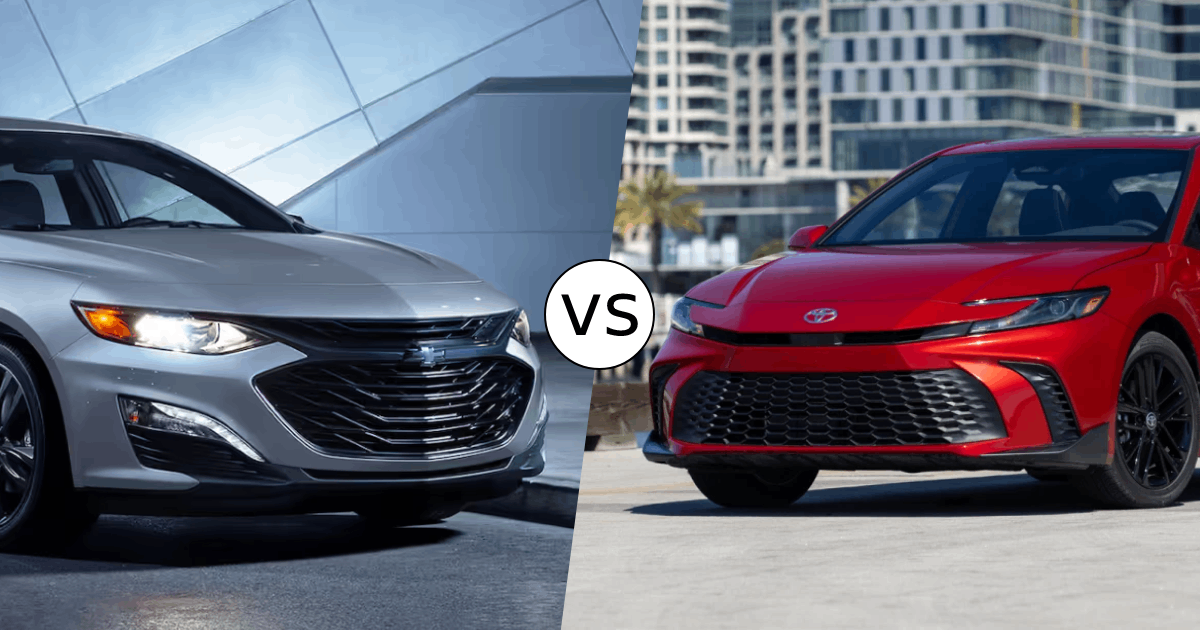
Amongst midsize sedans, the Toyota Camry and Nissan Altima sit at the top of many shopping lists. In this 2025 Nissan Altima and Toyota Camry comparison, our team at Longo Toyota of Prosper examines performance, looks, tech, safety gear, and value to help you pick the right car for your life and budget. more Exterior Design Comparison Toyota's 2025 Camry sports a mesh front grille with optional 19-inch wheels. Standard gear includes 16-inch black wheels, sport side panels, a rear diffuser, heated mirrors with turn signals, bi-LED headlights, and LED running lights. The 2025 Nissan Altima features aerodynamic styling with a signature V-Motion grille with chrome accents and LED headlights. Colors such as Super Black or Garnet Pearl Metallic stand out. Wheel options range from 16-19 inches across trims. Interior Space and Comfort The Camry fits five passengers in two rows, with front headroom at 38.3 inches (37.5 inches with moonroof) and rear headroom at 37.6 inches. Shoulder room measures 57.7 inches up front and 55.7 inches in the rear, while hip room is 55.4 inches and 54.6 inches respectively. There's 42.1 inches of legroom in front and 38.0 inches in the rear. You get 15.1 cubic feet of cargo room in the trunk, and the total passenger volume is 99.9 cubic feet. The Altima's Zero Gravity front seats use NASA tech for superior body support — a real win on those long Texas drives. The Altima beats the Camry in front legroom (43.8 inches) and headroom (39.1 inches) but has less rear legroom (35.2 inches) and headroom (36.9 inches). The trunk holds 15.4 cubic feet, and 60/40-split folding rear seats expand your cargo capacity, especially for long items. Total passenger space is 100.6 cubic feet. Engine Options and Powertrain Specifications Every 2025 Camry goes hybrid-only, in a move that shows Toyota's commitment to efficiency. A 2.5-liter four-cylinder (184 hp and 163 lb-ft of torque) works with Toyota's Hybrid System 5 for a combined output of 225 hp (front-wheel drive) or 232 hp (all-wheel drive). This hybrid system pairs with an electronically controlled continuously variable transmission (CVT). The 2025 Nissan Altima's 2.5-liter four-cylinder engine also pairs with a CVT. Power varies by drive type: Front-wheel-drive (FWD) models make 188 hp and 180 lb-ft of torque, while all-wheel-drive (AWD) versions drop to 182 hp and 178 lb-ft of torque. Fuel Economy Comparison: Which Sedan Offers Better Mileage? The 2025 Camry's hybrid-only lineup dominates the fuel economy battle. The FWD LE achieves 53 mpg city/50 mpg highway/51 mpg combined, while the AWD version gets 51 mpg city/49 mpg highway/50 mpg combined. The FWD SE rates 48 mpg city/47 mpg highway/47 mpg combined, while the AWD model gets 46 mpg city/46 mpg highway/46 mpg combined. Even the sporty AWD XSE manages 44 mpg city/43 mpg highway/44 mpg combined. The Altima can't match these numbers. The S and SV FWD models rate 27 mpg city/39 mpg highway/32 mpg combined. The SR and SL FWD trims drop to 27 mpg city/37 mpg highway/31 mpg combined, while AWD versions achieve 25 mpg city/34 mpg highway/28 mpg combined. The difference is massive: the Camry delivers 44-51 mpg combined vs. the Altima's 28-32 mpg. If you're a daily commuter, this means significant fuel savings over time. Advanced Technology and Connectivity The Camry's 8-inch touch screen offers clear graphics and straightforward menus. A 12.3-inch touch screen is available on higher trims. Wireless Apple CarPlay and Android Auto come standard, plus a 7-inch digital gauge cluster (with optional 12.3-inch version on pricier trims). There's also a six-speaker audio system or an optional nine-speaker JBL premium audio. Standard features include five USB ports, a wireless charging pad, a three-month SiriusXM trial, Bluetooth, and dual-zone climate control. Toyota throws in a 10-year trial for connected services and a 30-day Wi-Fi hot spot subscription. The Altima comes standard with an 8-inch touch screen, Apple CarPlay and Android Auto, and NissanConnect with a Wi-Fi hot spot. The top SL trim gets a 12.3-inch touch screen and wireless Apple CarPlay and Android Auto. Options include navigation and wireless charging. All versions get keyless entry and remote start. Nice extras include an optional Bose nine-speaker audio system and a 360-degree camera. Nissan offers a three-to-five-year connected service trial. Safety and Driver-Assistance Features All 2025 Camrys have Toyota Safety Sense 3.0, which includes a Precollision System with Pedestrian Detection, Full-Speed Range Dynamic Radar Cruise Control, lane departure alert with steering assist, plus other driver-assistance features. The Camry also has eight airbags, collision sensors, and a backup camera. The National Highway Traffic Safety Administration (NHTSA) gave the 2025 Camry a five-star overall rating and the Insurance Institute for Highway Safety (IIHS) gave it a Top Safety Pick+ award. Standard safety gear includes hill-start assist, Toyota's Star Safety System, and tire pressure monitors. Nice touches include a rear-seat reminder (so kids or pets aren't forgotten) and headlights that turn with the steering wheel for better night vision. Performance stats show the Camry stops from 60 mph in 118 feet — good numbers that prove it can avoid trouble when needed. Nissan Safety Shield 360 comes standard on all Altima trims and includes automatic emergency braking with pedestrian detection, rear automatic braking, blind-spot warning, lane departure warning, and high-beam assist. Upper trims offer ProPILOT Assist with intelligent cruise control and steering assistance. Additional features include a driver attention monitor and a comprehensive airbag system. The NHTSA gave the 2025 Altima a five-star overall rating, but IIHS results show "Good" in small overlap front tests, "Marginal" in moderate overlap front, and "Poor" in side crash tests. Price and Overall Value The 2025 Toyota Camry offers four trims: the LE, SE, XLE, and XSE. Prices range from $28,700 for the base LE to $34,900 MSRP for the XSE. Nissan's 2025 Altima has five trims: the S ($27,000), SV ($27,430), SV Special Edition ($28,520), SR ($28,830), and SL ($33,330). Although there's a $1,700 base price gap between these two sedans, the Camry features better standard equipment, such as adaptive cruise control. These features help justify the Camry's slightly higher cost. Warranty and Roadside Assistance Coverage Both sedans offer the typical three-year/36,000-mile basic warranty and five-year/60,000-mile powertrain coverage, plus five-year unlimited-mile rust protection. The Camry includes ToyotaCare with two years/25,000 miles of free maintenance and two years of unlimited-mile roadside help. The Altima provides two years/24,000 miles of free maintenance and three years/36,000 miles of roadside assistance. The Camry's hybrid components get a solid eight-year/100,000 miles warranty, showing Toyota stands behind its hybrid tech. Choose Your Perfect Midsize Sedan Today So, should you choose the Toyota Camry or the Nissan Altima? While they're both excellent cars, Toyota comes out top in our Altima vs. Camry comparison. Although the Nissan Altima offers NASA-designed seats, a slightly bigger interior and trunk, and a lower starting price, the 2025 Toyota Camry wins if you prioritize fuel savings and value. The Camry's hybrid powertrain delivers superior efficiency and power, and its top safety ratings outclass the Altima's mixed results. Visit our Longo Toyota of Prosper dealership to test-drive the 2025 Toyota Camry and find your perfect sedan.

2025 Toyota Sienna vs. Kia Carnival

2025 Toyota Sienna vs. Kia Carnival

The 2025 Toyota Sienna and 2025 Kia Carnival are minivans known for their spacious cabins with multiple seating rows, family-friendly features, and value for money. But which one is the right minivan for your family? In our 2025 Toyota Sienna vs. Kia Carnival comparison, we assess the features that matter to help you make the best choice. more Exterior Styling The Sienna and Carnival are here to dispel the notion that minivans all look the same. The Carnival has a modern, boxy silhouette, while the 2025 Toyota Sienna has a more traditional look characterized by gentle curves. The Carnival's styling is polarizing, but if you want a vehicle that stands out, it might be for you. Cabin Design and Comfort Kia's updated the Carnival's interior with improved materials and a new center console and switchboard, but it still can't quite match the quality that Toyota's famous for, especially at the base level. Both minivans can seat eight people with a second-row bench or seven if you choose the captain's chairs. These are certainly more supportive and comfortable, although you can't remove or stow them away in either model to maximize storage space. Passenger and Cargo Space Both minivans have space for seven or eight people, but the way they're organized makes all the difference. Toyota treats rear seat passengers to an extra 3.1 inches of legroom, so it's much more comfortable for tweens and teens. A few inches might seem small, but you'll notice it on family road trips. The Carnival has the edge when it comes to cargo space with 40.2 cubic feet behind the back seat, which is 6.7 cubic feet more than the Toyota Sienna Hybrid's cargo space. However, only the Sienna has overhead console storage to complement its already impressive center console. These two units work together to keep the cabin more organized. Technology and Infotainment Systems The Sienna comes standard with an 8-inch touch screen at the entry level, but all other trims feature a 12.3-inch unit, just like the Carnival. Both infotainment systems connect wirelessly to Apple CarPlay and Android Auto, so you easily access your contacts and favorite playlists for family sing-alongs. Both vehicles feature an array of modern USB-C ports, but if you've got an old device, you'll appreciate that Toyota's left a single USB-A port for you. All Sienna models also include a fifth-generation wireless charging pad, which isn't available until the Carnival's EX trim. Splurging on the rear-seat entertainment system, available with both models, should help road trips go much more smoothly. Safety Features and Ratings Toyota's commitment to superior engineering helped the 2025 Sienna earn an overall five-star rating in the National Highway Traffic Safety Administration's crash tests. The Kia Carnival trails behind with a four-star rating. Toyota and Kia's driver-assistance systems both come with a wide range of key features, such as automatic emergency braking with pedestrian detection and lane departure warning with lane-keeping assist. They also include features many automakers charge extra for, such as adaptive cruise control and rear occupant alert, for your peace of mind. Powertrains and Performance Toyota shows its commitment to green technology by making a 2.5-liter inline-four hybrid the Sienna's only powertrain option. It generates 245 hp and helps this minivan reach 60 mph in 7.5 seconds. The Carnival's base engine is a 287 hp 3.5-liter V-6 that reaches 60 mph in 7 seconds. A 1.6-liter inline-four hybrid is optional. Despite its small size, this 242 hp powertrain helps the Carnival hit 60 mph in 7.8 seconds. The Sienna is available in both front-wheel drive (FWD) and all-wheel drive, but the Carnival is FWD only. Fuel Economy and Efficiency While the Carnival's powertrains are powerful, neither can match the Sienna's fuel efficiency. Expect to get 36 mpg in both city and highway driving with the FWD Sienna. That's much more economical than the base Carnival engine, which gets 18 mpg in the city and 26 mpg on the highway. The Sienna even bests the hybrid Carnival, which gets 33 mpg in the city and 34 mpg on the highway. Reliability and Warranty A 2025 member survey from Consumer Reports found Toyota was the third most reliable motor vehicle brand, so you can trust that a Sienna will be a dependable minivan for years to come. Kia sat in ninth, indicating consumers don't have the same level of confidence in this brand. However, Kia stands by its vehicles, offering Carnival owners an impressive five-year/60,000-mile limited warranty and 10-year/100,000-mile powertrain warranty. The Toyota Sienna's protection is much closer to the industry standard, with a three-year/36,000-mile limited warranty and a five-year/60,000-mile powertrain warranty. But Toyota's hybrid-component warranty is more generous, lasting 10 years or 150,000 miles. Toyota also treats you to free maintenance for two years or 25,000 miles to sweeten the deal. Pricing and Trim Options Toyota offers the Sienna in six trims ranging from $39,485 to $56,445. There are five standard Kia Carnival trims, ranging from $38,235 to $52,335. Kia complements them with four hybrid trims priced between $42,235 and $54,335. That means you can get into a gas-powered Carnival for less, but if your heart's set on a hybrid, the Sienna is the more affordable choice. Kia Carnival vs. Toyota Sienna: Our Verdict While the Toyota Sienna and Kia Carnival are both excellent minivans, with extra rear seat legroom, superior fuel economy, and a reputation for reliability, we think the Sienna has the edge. Discover why this minivan makes such a great family vehicle at Longo Toyota of Prosper. Our team would love to introduce you to this vehicle and arrange a test-drive. We're open from 9 a.m. to 8:30 p.m. Monday through Saturday for your convenience. Apply for finance preapproval online to save time at the dealership and drive away in your new Toyota Sienna sooner.

Contact Us

Fill out this form below and we'll contact you shortly
*Required Fields