

Longo Toyota of Prosper

Blog

All Local Comparison New Inventory Car Tips Review Car Maintenance Tips DIY Hybrid Prosper Toyota Dealer Prosper Toyota Service Prosper Used Cars
2025 toyota tacoma

What We Know About the 2026 Toyota Tacoma

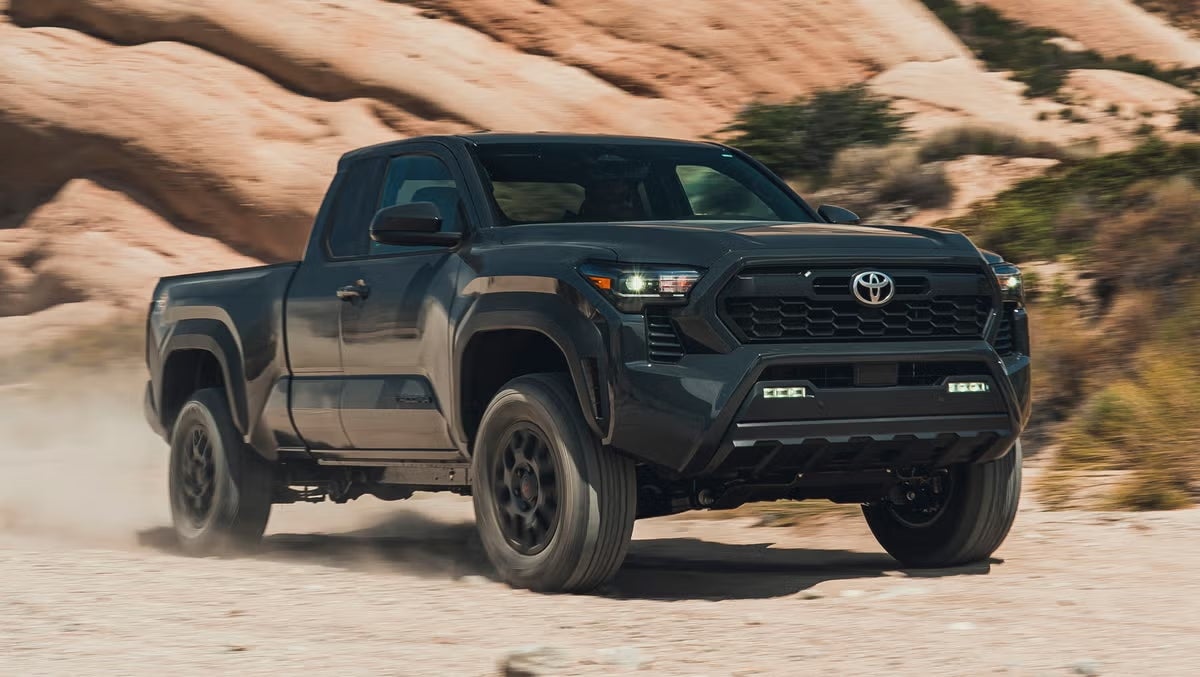
The Tacoma became Toyota's first hybrid pickup in 2024, with incredible off-road technology and enough comforts to make your daily grind from Prosper to Dallas truly enjoyable. Read on to learn what we know about the new 2026 Toyota Tacoma. more 2026 Toyota Tacoma: Key Changes and Updates The Tacoma enters the 2026 model year poised to continue its legacy as America's best-selling midsize pickup for over two decades. Toyota has moved everything over to its Toyota New Global Architecture-F platform, which is the same foundation that made the Tundra so much better a few years ago. Combining high-strength steel with lightweight aluminum for improved rigidity, this new setup makes the truck tougher while weighing less. This platform improves strength and stiffness, improving handling on trails while maintaining comfort on urban roads. 2026 Tacoma changes include a black Toyota logo on the front of the TRD Off-Road, TRD Sport, and TRD PreRunner trims. The lineup has also been improved by the introduction of exciting new colors: Heritage Blue and Wave Maker. The striking Wave Maker blue is inspired by glacial tones and exploration, designed to evoke adventure, boldness, and innovation, and exclusive to TRD Pro variants for the 2026 model year. Engine Options and Powertrain Specifications The 2026 Tacoma's standard engine is Toyota's i-FORCE turbocharged 2.4-liter four-cylinder, which makes 228 horsepower and 243 lb-ft of torque in the base SR trim and 278 horsepower and 317 lb-ft in the rest of the lineup. Toyota projects the i-FORCE engine will produce an EPA-estimated 26 mpg highway fuel economy, which can save a lot of dollars when you're doing long hauls across the state. Toyota also offers a hybrid option. The available i-FORCE MAX hybrid powertrain delivers an impressive 326 horsepower and 465 lb-ft of torque, which is paired with an eight-speed automatic transmission and is anticipated to get an EPA-estimated 23 mpg combined fuel economy rating. Tacoma specs stand out for still offering a manual transmission; the six-speed transmission is only available on the four-wheel-drive SR, TRD Sport, and TRD Off-Road trims. Most companies have given up on stick shifts, but Toyota understands that some people still want that hands-on control. Performance and Capability Here are the numbers that matter when you're merging onto State Highway 121 during rush hour. During testing, the Tacoma Hybrid TRD Off-Road sprinted from 0 to 60 mph in 7.6 seconds, while the TRD Pro made it in 7.7 seconds. The regular Tacoma engine achieves 0 to 60 mph in 7 seconds. For a truck that can haul your bass boat and still handle muddy ranch roads without complaint, these are solid figures. When it comes to working, the Double Cab can tow up to 6,400 pounds, while the XtraCab can handle up to 6,500 pounds. The hybrid i-FORCE MAX has a 6,000-pound tow rating with a maximum payload of up to 1,705 pounds. Off-Road Features and Trims If you want to get off the beaten path, Toyota had this in mind when designing the 2026 Tacoma. Both the Trailhunter and TRD Pro feature electronically disconnecting antiroll bars for greater off-road suspension articulation, as well as unique remote-reservoir shock absorbers. The TRD Pro has FOX internal bypass dampers that are adjustable for different types of terrain, and the Trailhunter has 2.5-inch Old Man Emu shocks to help it balance heavy cargo loads with wheel control. Both variants sport 33-inch off-road tires mounted on exclusive 18-inch wheels, finished in bronze on the Trailhunter and black on the TRD Pro. The Tacoma's technology is also impressive. You can tell the truck what kind of terrain you're tackling, and Multi-Terrain Select will adjust traction settings for various surfaces, including dirt, sand, mud, and rocks. Crawl Control manages throttle and brakes for improved control on steep or challenging terrains, and the Multi-Terrain Monitor offers visibility of the terrain beneath and around your vehicle so you can see exactly what you're getting into. Pricing Information The 2026 Tacoma price varies from trim to trim, with models expected to hit Toyota dealerships this winter. The MSRP for the base SR model starts at $32,145, excluding delivery and handling fees, increasing up to $64,350 for the TRD Pro. Trim prices in between include the SR5 at $36,235, TRD Sport at $40,015, TRD Off-Road at $42,415, Limited at $53,170, and Trailhunter at $63,350. At the moment, Toyota is offering special annual percentage rate deals as low as 2.99% for 36-month loans to help with monthly payments, and there are discounts of $500 available for military members and students. Your Next Adventure Awaits With the 2026 Toyota Tacoma Toyota offers hybrid power that doesn't compromise truck capabilities, adventurous off-road tech, and enough daily comfort features to handle whatever North Texas terrain throws at you. Toyota has stated that the 2026 Tacoma release date is coming very soon and that models are already available to order. Toyota is backing the 2026 Tacoma with a 36-month/36,000-mile basic warranty, 60-month/60,000-mile powertrain coverage, and corrosion protection for 60 months with no mileage limit. This offers real peace of mind for your investment. Visit us at Longo Toyota of Prosper to see what we know about the 2026 Toyota Tacoma in person.

brasstap_taps_4D3F4C8B-9D94-4AC7-14A7182D433CB33B-4d3f4775dffe1aa_4d3f80ef-0776-b8dd-f6f409669381dc5b

The Best Breweries Near Little Elm, Texas

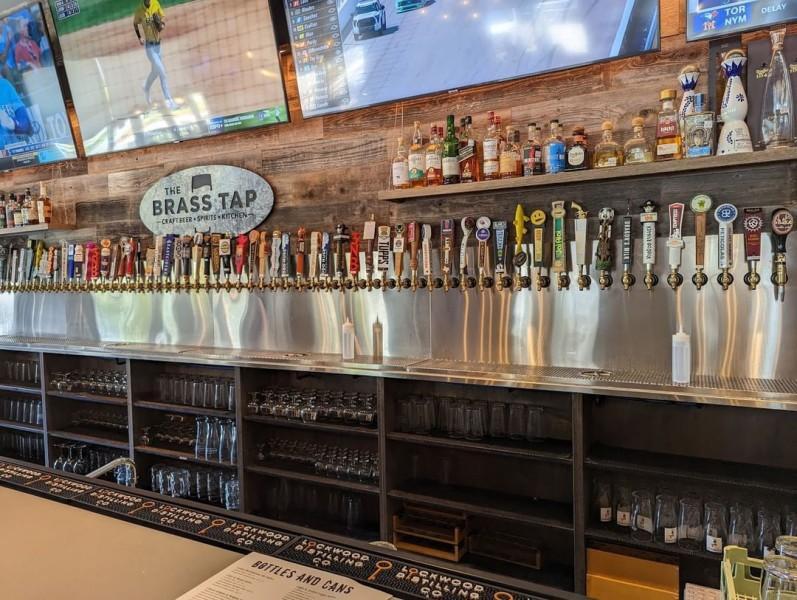
Little Elm may be famous for its lakeside charm, friendly neighborhoods, and unbeatable sunsets, but locals know there’s something else worth bragging about: the fantastic craft beer scene just minutes away. Whether you love bold, hop-forward IPAs, smooth lagers, fruity sours, or dark, dessert-like stouts, the area surrounding Little Elm has a brewery for every taste. Thanks to a thriving craft beer culture across North Texas, residents don’t need to drive far for a memorable pint. Today, we’re exploring the best breweries within a 30-minute drive of Little Elm. Each offers unique flavors, welcoming atmospheres, and plenty of reasons to raise a glass. more The Brass Tap – Frisco While The Brass Tap isn’t a brewery in the traditional sense, it’s a beloved Frisco staple with an impressive rotating tap list that features local brews from across North Texas. It’s the perfect place to sample nearby breweries before you go exploring in person. Its selection often includes standouts such as Community Beer Co.’s Mosaic IPA, Lakewood Brewing Co.’s Lakewood Lager, and Deep Ellum Brewing Company’s Dallas Blonde. With weekly events, live music, outdoor seating, and great food, this is the easiest way to discover incredible local beer without going far from Little Elm. It’s the ideal hangout for after-work drinks, date nights, or casual weekends with friends. Tupps Brewery – McKinney Tupps Brewery is practically a household name in North Texas. Located in McKinney and an easy drive from Little Elm, Tupps pairs rustic charm with highly drinkable craft beer. Its taproom sits inside a historic cotton mill, adding character and charm. Beer lovers rave about Tupps Brewery’s National Standard Golden Ale, a refreshing, easy-drinking favorite perfect for hot Texas days. Meanwhile, the DDH IPA Series offers juicy, hop-forward flavor for people who like their beer with a little punch. Tupps also hosts food trucks, live music, and seasonal events, making it an ideal weekend outing for families, friends, and beer enthusiasts alike. Four Bullets Brewery – Richardson If you’re willing to venture just a bit farther (but still under 30 minutes), Four Bullets Brewery in Richardson is a fantastic hidden gem. Inspired by British-style ales, Four Bullets offers a unique twist on traditional brewing. Its Royal Flush red ale is especially popular; it’s smooth, malty, and full of character. IPA fans will enjoy the Just A SIPA, an easy-drinking IPA with a crisp finish. The taproom is welcoming, laid-back, and filled with regulars, making it a great place to relax and enjoy a pint or two. Great Beer Is Closer Than You Think Little Elm residents are surrounded by some of North Texas’ best breweries, each offering unforgettable beer, inviting atmospheres, and plenty of reasons to come back again and again. Whether you're enjoying a pint at The Brass Tap, exploring the creative brews at Three Nations, or relaxing at Tupps Brewery, you never have to travel far for something delicious. As you make your brewery rounds, remember that Longo Toyota of Prosper is nearby to keep your ride smooth, comfortable, and road-ready. With great beer, great community, and great drives, Little Elm truly has the best of everything right at its doorstep.

2025 Toyota Tundra vs. Nissan TITAN

2025 Toyota Tundra vs. Nissan TITAN

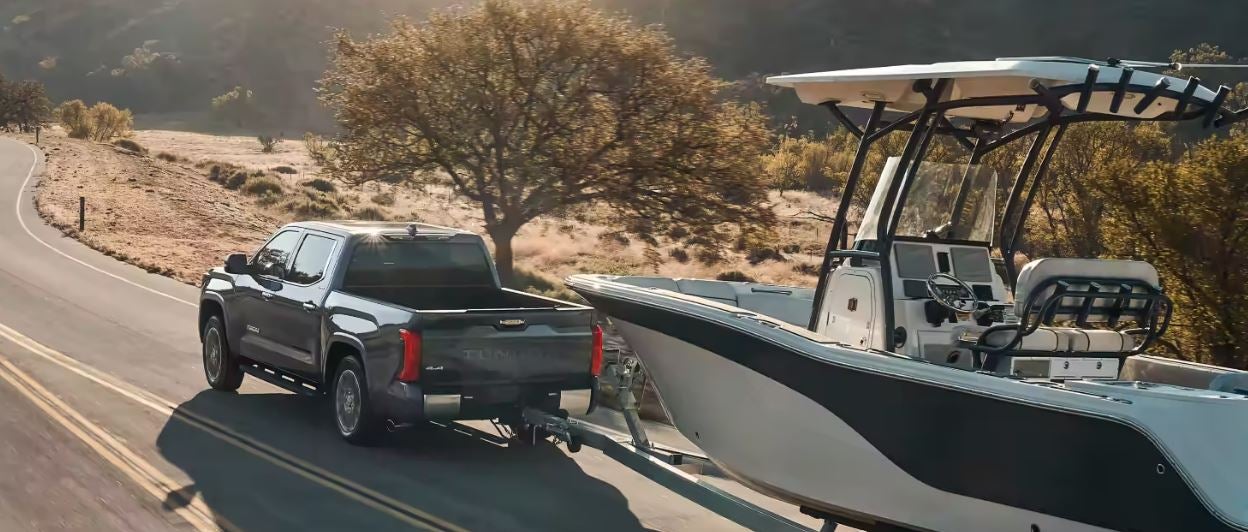
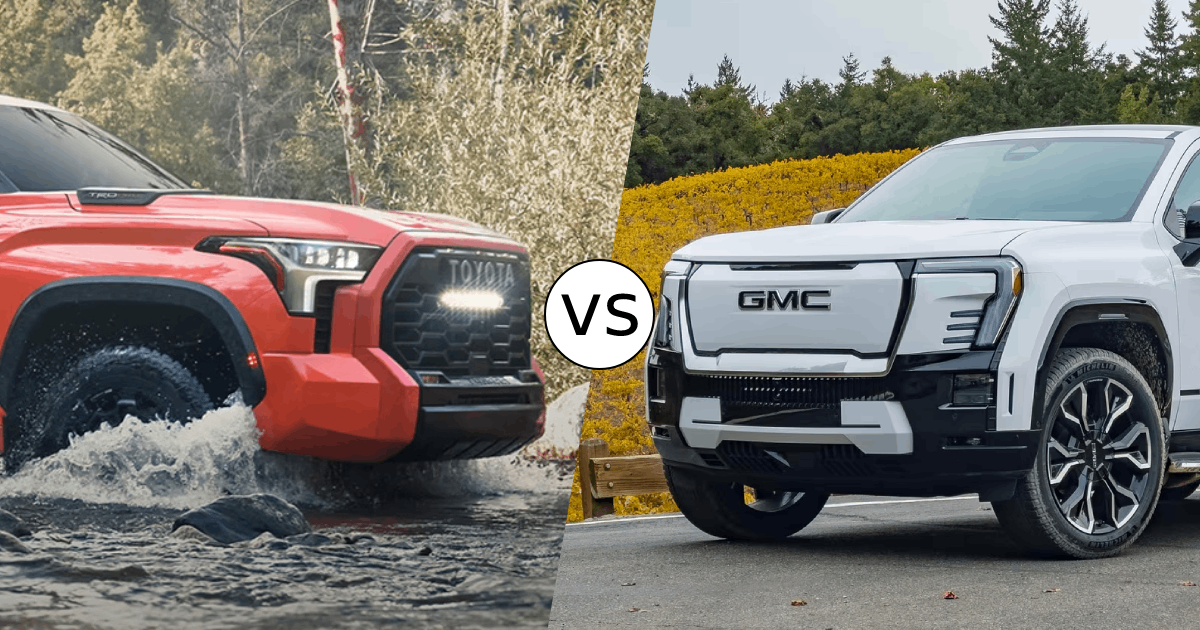
Picking between the 2025 Toyota Tundra and the now-out-of-production Nissan TITAN isn't simple. Each of these full-size trucks brings something different to your driveway. The Tundra offers hybrid technology with exceptional towing capability, while the TITAN offers traditional V-8 power at an affordable price. Let's compare auto specs and explore which truck is most cost-efficient, how they both handle Texas roads, and which one might better fit your needs. more Key Specifications at a Glance Comparing prices, the 2025 Toyota Tundra starts at $40,090 and tops out at $80,725, while the Nissan TITAN starts at approximately $48,700. This disparity reflects the differences in how these manufacturers build their trucks. Toyota's Tundra offers three powertrain options, the best of which is an i-FORCE MAX 3.4L twin-turbo V-6 hybrid that delivers 437 hp at 5,200 rpm with 583 lb-ft of torque at 2,400 rpm, working with a 10-speed automatic. Meanwhile, the TITAN uses a 5.6L V-8 engine, producing 400 hp at 5,800 rpm and 413 lb-ft at 4,000 rpm, paired with a nine-speed automatic. In terms of capacity, the Tundra fits five passengers while the TITAN can seat five or six. For pulling trailers, the Tundra beats the TITAN, providing a 12,000-pound maximum towing capacity when set up right. In comparison, the regular TITAN can tow up to 9,660 pounds, while the TITAN XD can tow up to 11,050 pounds with a gooseneck hitch. As for payload, the Tundra can carry up to 1,940 pounds, but the TITAN XD offers an impressive 2,360-pound maximum. Both trucks are available with different bed lengths to suit different hauling needs. Engine Performance and Powertrain Comparison The Toyota Tundra's i-FORCE MAX hybrid setup is impressive technology, pairing a 3.4L twin-turbo V-6 with electric power fueled by a 1.87 kWh nickel-metal hydride battery. The output of 437 hp and 583 lb-ft of torque translates to approximately 12% more hp and 22% more torque than the standard i-FORCE V-6. Plus, the smart 10-speed automatic shifts smoothly whether you're cruising on highways or pulling a boat. In contrast, Nissan sticks to the classics. The TITAN's 5.6L V-8 produces 400 hp and 413 lb-ft of torque through a nine-speed automatic. This engine isn't as sophisticated as Toyota's hybrid, but you may still love its V-8 rumble and straightforward design. Towing and Payload Capabilities Head-To-Head In the towing department, the standard Tundra can drag up to 12,000 pounds when properly equipped, making it the perfect option for hauling boats, campers, or heavy work gear. Even the hybrid version handles up to 11,450 pounds, beating both the standard TITAN's maximum capacity of 9,660 pounds and the TITAN XD's of 11,050 pounds. If you haul trailers regularly in Texas, this is a significant difference. Toyota also provides a suite of smart towing-assist technology designed to help keep things steady in more difficult driving conditions. However, the TITAN performs better in terms of payload (what you can carry in the bed). Toyota's base Tundra SR and SR5 trucks carry up to 1,940 pounds, while the maximum drops to 1,680 pounds for hybrid models due to the added battery weight. Depending on trim and bed configuration, the regular TITAN offers up to approximately 1,700 pounds of payload, but the TITAN XD can haul a massive 2,360 pounds in its bed. If you're moving gravel, mulch, or construction supplies more than pulling trailers, that's worth noting. Fuel Economy and Range Analysis Fuel efficiency is an important factor in the Nissan TITAN vs. Toyota Tundra comparison, especially with Texas-sized distances involved. Toyota's hybrid technology pays off here: the i-FORCE MAX hybrid in two-wheel-drive form gets 20 mpg city and 24 highway. The four-wheel-drive (4WD) version isn't far behind at 19 mog in the city and 22 mpg on the highway. Combined, both hybrid options offer about 22 mpg, saving you money in real terms if you plan to drive long distances. In contrast, the TITAN's V-8 consumes more fuel per mile, managing 16 mpg in the city and 21 mpg on the highway. That's not awful for a V-8, but those extra mpgs add up fast when gas prices increase. As a typical Texan driving 15,000 miles yearly, you could save hundreds at the pump with the Tundra. Tank size matters too. The Tundra is available with a massive 32.2-gallon tank, letting you go much farther between fill-ups than the Nissan's 26-gallon tank. Off-Road Capability and 4WD Systems If you want to take your vehicle off-road, the Tundra TRD Pro comes equipped with FOX shocks that effectively absorb bumps in the terrain. The sophisticated Multi-Terrain Select system works with crawl control, downhill assist, and an electronic locking rear differential to help you conquer rough trails. Alternatively, if you're not ready for the full TRD Pro, the TRD Off-Road package adds Bilstein shocks and trail-friendly electronics without the bigger price tag. Nissan's TITAN tries to keep up with its 4WD system. The PRO-4X trim adds skid plates, sport bars, and off-road tires, but it doesn't match Toyota's more advanced off-road technology. If you drive Hill Country trails or sandy East Texas backroads on weekends, the Tundra simply offers more capability. Reliability, Warranty, and Ownership Costs Kelley Blue Book named Toyota the Most Trusted Brand and Best Overall Truck Brand in 2023. The 2025 Tundra scored an Insurance Institute of Highway Safety Top Safety Pick award and a five-star rating from the National Highway Traffic Safety Administration (NHTSA). Toyota backs its trucks with a three-year/36,000-mile basic warranty, five-year/60,000-mile powertrain coverage, and an incredible 10-year/150,000-mile hybrid battery warranty. If you're looking for reliability, Toyota has a reputation you can trust. Nissan also has a strong brand reputation for reliability. RepairPal gives it a solid 4.0/5.0 rating, ranking it ninth out of 32 brands. Across all models, the average repair cost is about $500 per year, which is less than the $652 industry average. The TITAN has a four-star NHTSA safety rating and comes with a three-year/36,000-mile basic warranty and a five-year/60,000-mile powertrain warranty. That's good, but it's not as generous as Toyota's hybrid battery protection. Make the Right Choice for Your Needs at Longo Toyota of Prosper, Texas Your ideal truck depends on what matters most to you. If you value cutting-edge technology, better gas mileage, and towing big loads, the hybrid Tundra's your best option. If you'd prefer a traditional V-8 engine and care more about up-front costs than long-term value, the TITAN may make more sense to you. We think that the Toyota Tundra is a clear winner. If you want to see if it feels as good as it looks on paper, contact us at Longo Toyota of Prosper to schedule a test drive.

2025 Toyota Grand Highlander vs. Hyundai PALISADE

2025 Toyota Grand Highlander vs. Hyundai Palisade

The 2025 Toyota Grand Highlander and the Hyundai PALISADE are popular with families hunting for roomy, well-equipped vehicles that can handle both daily school runs and weekend camping trips. Our Longo Toyota of Prosper team has compiled a guide to the Hyundai PALISADE vs. Toyota Grand Highlander matchup to make your decision easier. more Quick Comparison Overview The Toyota Grand Highlander is the longest SUV in its class, giving Texas families ample usable space and cargo room. This extra length creates more room for all three rows and the biggest cargo area among midsize three-row SUVs, at 97.5 cubic feet. Toyota enhances this roominess by offering multiple engine options. The Hyundai PALISADE takes a luxury-first approach with attractive interior materials and high-tech accessories. It's a bit smaller than the Grand Highlander but still offers plenty of space. The PALISADE wins points with its comprehensive warranty, lower starting price, and attention to luxury details that make the cabin feel upscale. These SUVs differ in terms of expected reliability, how much value they retain, and the total money you'll spend during ownership. Interior Space and Comfort Analysis Space is one of the biggest considerations for families. The Grand Highlander is about 2 inches longer than the PALISADE, creating measurable cargo and roominess advantages. First and Second Row Seating The PALISADE features cloth, H-Tex- or leather-trimmed seats on lower trims, or full nappa leather seating on the Calligraphy trims. The Grand Highlander uses cloth on the XLE trim and offers Ultrasuede and leather combination materials on the Hybrid Limited and Hybrid MAX Platinum trims. The Grand Highlander's wide, cushiony seats provide excellent support for long trips on Highway 380. Front Seat Comfort and Adjustability Both offer power seats with heating, cooling, and memory, depending on the trim. The PALISADE adds massage and extra adjustments, while the Grand Highlander focuses on seat cushioning that stays comfortable without active features. However, the PALISADE has more front legroom than the Grand Highlander, at 44.1 inches vs. 41.7 inches. Second Row Versatility and Access The PALISADE also has more second-row legroom, with 43 inches vs. 39.5 inches, and makes third-row access easier with its one-touch seat slide. The Grand Highlander offers captain's chairs standard with a no-cost bench option. Third Row Seating Comparison The Grand Highlander's length provides 33.5 inches of third-row legroom, compared to 32.1 inches in the PALISADE, making for truly usable adult seating with built-in cup holders and ample headroom. Interior Materials and Build Quality The PALISADE exudes a luxury feel through its use of soft surfaces, wood trim, and suede headliner. The Grand Highlander takes a more practical approach, prioritizing durability and easier cleanup for families. Cargo Space and Storage Solutions The Grand Highlander can carry more cargo: 20.6 cubic feet behind the third row vs. 19.1 for the PALISADE, 57.9 versus 46.3 behind the second row, and 97.5 vs. 86.7 maximum in the PALISADE, the most space in any midsize three-row SUV. Performance and Powertrain Comparison Engine choices mark the biggest difference; Toyota offers three options, while Hyundai gives you one. Engine Options and Specifications The Grand Highlander offers a base 2.4-liter turbo, a standard hybrid, and the Hybrid MAX, while the PALISADE uses one 3.5-liter V-6. Toyota's Grand Highlander lineup lets families choose between efficiency and performance. Powertrain Options for the Grand Highlander The base turbo delivers 265 hp and 310 lb-ft of torque, more torque than the PALISADE's V-6, and the hybrid achieves 243 hp and 36 mpg combined. The Hybrid MAX powertrain reaches 60 mph in 6.1 seconds while providing better fuel economy than the PALISADE. Engine Performance in the Hyundai PALISADE The 3.5-liter V-6 makes 287 hp and 260 lb-ft of torque, hitting 0-60 mph in 6.9 seconds with all-wheel drive (AWD). This naturally aspirated design will appeal to you if you want a conventional engine without the complexity of a turbo. Driving Dynamics and Handling Both prioritize comfort over sportiness. The Grand Highlander controls body lean better while the PALISADE focuses on luxury, measuring 52.8 decibels at 55 mph vs. the Grand Highlander's 53.5 decibels. Our Longo Toyota team has a virtual test-drive tool that may help you experience the Grand Highlander's handling. Towing Capacity and Capability Both tow up to 5,000 pounds. The Grand Highlander's hybrid systems provide extra low-end torque, while the Hybrid MAX's 400 lb-ft of torque outmuscles the PALISADE's 260 lb-ft of torque on hills. Fuel Economy and Efficiency Gas mileage creates the biggest long-term cost difference. The Grand Highlander gets 21 mpg in the city/28 mpg on the highway vs. the PALISADE's 19 mpg city/26 mpg highway. The hybrid achieves 36 mpg combined with the front-wheel-drive configuration and 34 mpg with AWD. Even the Hybrid MAX gets 27 mpg combined, 7 mpg better than the PALISADE's 20 mpg combined. Hybrid Options and Availability Toyota's hybrid lineup gives it a significant advantage since Hyundai's promised hybrid remains unavailable. The Grand Highlander's standard hybrid engine delivers 619 miles of range with proven reliability. Long-Term Fuel Costs Analysis The Hybrid MAX's 7 mpg advantage means burning 130 fewer gallons yearly at 15,000 miles, saving $400-$500 annually. Pricing and Value Proposition The PALISADE starts at $37,200 MSRP for the SE vs. $40,860 for the Grand Highlander XLE. The Grand Highlander Platinum Hybrid MAX AWD begins at $58,775 vs. the PALISADE Calligraphy Night AWD at $54,500. The PALISADE's lower entry price helps families on a budget, while the Grand Highlander's higher starting price includes hybrid power and larger dimensions. You'll have to weigh the immediate savings against the long-term hybrid benefits. Feature Content per Dollar The Grand Highlander's higher cost buys 75 more hp, better fuel economy, more cargo room, and Toyota's reliability record. The PALISADE focuses on luxury touches, such as nappa leather and massage seats. Incentives and Financing Options Current deals vary by region, but you can check our offers online. The Grand Highlander's strong demand might mean fewer rebates, while the PALISADE may offer better incentives. Superior resale value might create better lease terms despite higher pricing. Which SUV Should You Choose? The Grand Highlander could be right for families who want better predicted reliability, stronger resale value, maximum cargo space, and flexible hybrid options. Its class-leading 97.5 cubic feet of cargo room, multiple efficient engine choices, and Toyota's proven track record make it the smart choice for families viewing their SUV as a long-term investment in reliable transportation rather than just a short-term purchase. Experience the Grand Highlander at Longo Toyota of Prosper Today If your Texas family is ready to see the Grand Highlander's advantages firsthand, contact us to schedule a test drive at Longo Toyota of Prosper. You'll see why so many families choose Toyota for their three-row SUV needs.

Kenny’s Burger Joint – Frisco

The Best Burgers in Frisco, TX: Local Favorites That Hit the Spot

When it comes to burgers, Frisco knows how to bring the flavor. Whether you’re craving a classic cheeseburger stacked high with all the fixings or a gourmet patty loaded with unique toppings, this North Texas hotspot delivers in a big way. From casual diners to trendy gastropubs, there’s no shortage of juicy, mouthwatering burgers within a short drive of downtown Frisco. So, if you’re a local foodie or just looking for your next favorite lunch spot, here are some of the best burger joints near Frisco, TX that are sure to make your taste buds cheer. more Kenny’s Burger Joint – Frisco Let’s start with one of Frisco’s most iconic burger destinations — Kenny’s Burger Joint. Located on Legacy Drive, this spot is a go-to for locals who take their burgers seriously. The vibe is fun and relaxed, but the burgers are next-level. Their signature Hickory BBQ Cheddar Burger is a must-try, featuring thick-cut bacon, smoky BBQ sauce, and perfectly melted cheddar on a toasted bun. Kenny’s also lets you customize your burger any way you like — different patties, cheeses, and toppings galore. Pair it with their famous truffle fries or a boozy milkshake, and you’ve got the ultimate burger experience right in Frisco. Dugg Burger – Plano Just a quick drive from Frisco, Dugg Burger in Plano takes a creative approach to burger-making. They literally “dugg out” the top bun to create room for more toppings — genius! It’s a build-your-own-burger paradise where you can pile on bacon, jalapeños, caramelized onions, and their signature Dugg sauce. The burgers are juicy and packed with flavor, cooked to order on the grill for that ideal crusty sear. The casual atmosphere and quick service make this a great lunch or dinner spot when you’re craving something fast but fresh. Don’t forget the hand-cut fries — crispy, golden, and totally addictive. Rodeo Goat – The Colony If you love a side of fun with your food, Rodeo Goat in The Colony is the place to be. Known for its quirky burger names and bold flavor combinations, this spot has become a North Texas favorite. The Chaca Oaxaca Burger (featuring beef and chorizo, avocado, and fried egg) is one of their best-sellers, but every item on the menu is crafted with creativity. The open, lively atmosphere makes it a perfect hangout for watching the game or grabbing dinner with friends. With a full bar and rotating local brews, Rodeo Goat is more than a burger joint — it’s a Frisco-area staple for foodies who love a good time. Haystack Burgers & Barley – Frisco Tucked into Frisco Square, Haystack Burgers & Barley offers the perfect mix of classic comfort and gourmet flair. Their menu focuses on fresh ingredients, from locally baked buns to hand-formed patties. The Haystack Burger — with applewood bacon, fried onion strings, and “Haystack sauce” — has earned a loyal fanbase for good reason. The restaurant’s rustic-chic atmosphere and impressive craft beer list make it an ideal date-night or weekend stop. If you like a bit of spice, try the Escabeche Burger, topped with pickled jalapeños and pepper jack cheese for that Texas kick. Liberty Burger – Addison For burger lovers who care about quality and sustainability, Liberty Burger in Addison (a short drive south of Frisco) is a top pick. They source hormone- and antibiotic-free meats, and even offer bison, turkey, and veggie patties for those wanting to mix it up. The Nooner Burger, topped with bacon, a fried egg, and hashbrowns, turns breakfast into an all-day meal. Everything here is made with attention to detail, from the crisp lettuce to the perfectly melted cheese. With a welcoming atmosphere and family-friendly vibe, Liberty Burger is a place where everyone can find a favorite — whether you’re going traditional or adventurous. Mash’d – Frisco Located at The Star, Mash’d brings a modern twist to classic American fare — and their burgers are some of the best around. The Smash Burger Royale is a customer favorite, featuring a double patty, melty cheese, caramelized onions, and their signature “comeback sauce.” The buns are soft and buttery, the fries are hand-cut, and the overall flavor profile is top-tier. The restaurant also has a lively bar scene, with moonshine cocktails and local craft beers to complement your meal. With its energetic vibe and upscale-casual setting, Mash’d makes burger night feel like a special occasion. Five Guys – Frisco Sometimes, you just want a no-fuss, all-flavor kind of burger. Five Guys on Preston Road delivers exactly that. Their burgers are always cooked fresh to order, with perfectly seasoned beef patties and an endless list of free toppings. From grilled mushrooms to jalapeños and extra bacon, you can customize to your heart’s content. And let’s not forget the fries — hand-cut daily and cooked in peanut oil for that signature crispy bite. It’s classic, consistent, and delicious every time. The Grind Burger Bar & Tap Room – Lewisville If you’re up for a short drive west, The Grind Burger Bar in Lewisville offers gourmet-style burgers in a laid-back atmosphere. Their Grind House Burger, topped with bacon, cheddar, fried onions, and chipotle aioli, is a fan favorite. What sets this spot apart is the attention to detail — everything tastes handcrafted and made with care. Their beer selection is equally impressive, and the sports-friendly vibe makes it a great place to catch the Cowboys or Mavericks game while enjoying your meal. Where to Find Your Next Great Burger in Frisco Whether you’re sinking your teeth into a gourmet burger at Haystack, experimenting with toppings at Dugg Burger, or keeping it classic at Kenny’s, Frisco’s burger scene has something for every craving. From inventive creations to nostalgic diner favorites, the city’s burger joints continue to raise the bar (and the bun). So next time hunger strikes, grab some friends, hit the road, and explore these incredible burger spots around Frisco — you’ll never look at a burger the same way again. And if you’re thinking about upgrading your ride for all those burger runs, stop by Longo Toyota of Prosper. They’ve got the perfect lineup of vehicles to take you everywhere your taste buds lead you — one burger at a time. 🍔

2026 Toyota TRD family

New 2026 Toyota Models To Look Out For

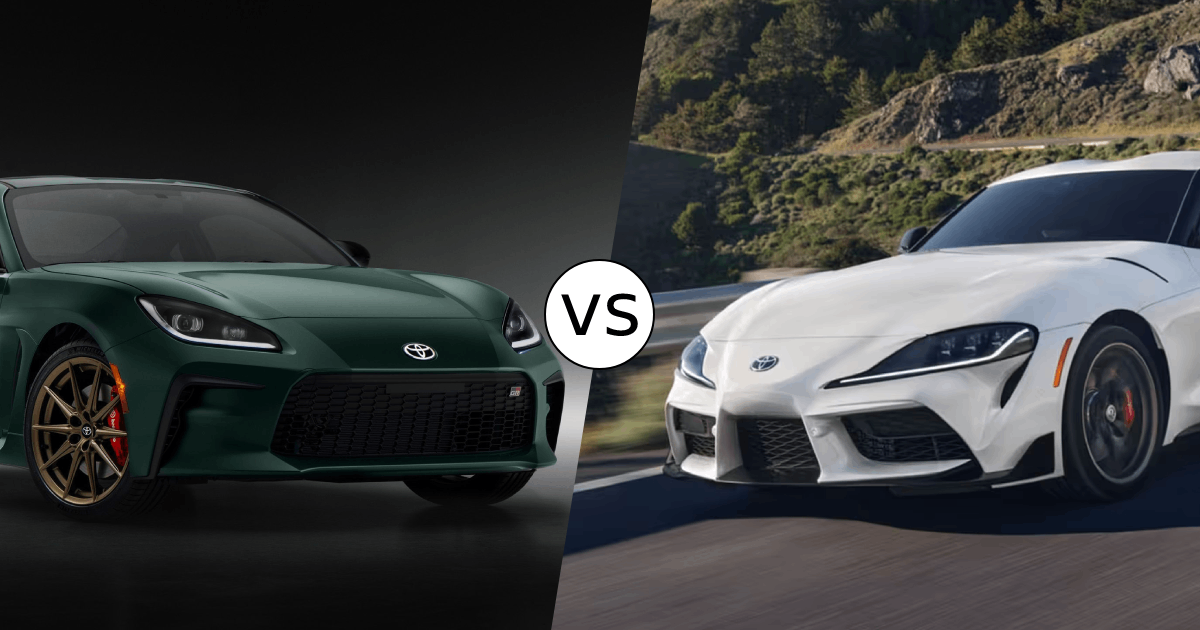
Toyota's 2026 model year marks the biggest shake-up in the brand's history, putting electric power front and center across almost every vehicle. From family favorites now sporting hybrid engines to brand-new electric vehicles (EVs) built for city driving and outdoor fun, there's a lot to get excited about. Whether you're commuting from Prosper to downtown Dallas or planning weekend adventures across the Lone Star State, Toyota's electrified lineup will keep you moving. more Complete 2026 Toyota EV Lineup Toyota's 2026 electric lineup delivers real performance. The bZ (formerly bZ4X) generates 343 horsepower with improved eAxles, which increase the towing capacity to 3,307 pounds. The rugged bZ Woodland offers 375 horsepower with all-wheel drive (AWD) and has a 74.7 kWh battery that delivers a 260-mile range, which can easily get you to the Sam Houston National Forest. The C-HR returns as an electric coupe-SUV with 338-horsepower dual motors and 290 miles per charge. Two battery choices define the 2026 bZ lineup: the 57.7 kWh version provides a 236-mile range, while the larger 74.7 kWh battery stretches range to 314 miles. Fast charging gets you from 10% to 80% in 30 minutes. Toyota provides access to thousands of Tesla Superchargers with standard NACS adapters, making that drive to Irving and back easier. The entry-level bZ starts at $34,900, competing against the Hyundai IONIQ 5, which leads electric small SUV rankings. Toyota's reputation for reliability, combined with access to charging networks, is appealing if you're waiting for a trustworthy electric option. 2026 Toyota SUV and Crossover Highlights The 2026 RAV4 drops gas engines for hybrid-only power, which makes sense, as over half of 2024 sales were electrified models. The RAV4 Hybrid with AWD produces 236 horsepower, while the front-wheel-drive (FWD) model generates 226 horsepower. The plug-in hybrid gains 23% more electric range, to 52 miles, and produces 324 horsepower. The Highlander Hybrid pairs a 2.5-liter engine with dual electric motors for 243 horsepower and 35 mpg, with a towing capacity of 3,500 pounds. All 2026 Highlanders get standard AWD. The 4Runner switches to the TNGA-F platform shared with the Tacoma and Tundra. The standard 2.4-liter turbo delivers 278 horsepower and 317 lb-ft of torque. The Hybrid model increases power to 326 horsepower and torque to 465 lb-ft. 2026 Toyota Truck Lineup Innovations The 2026 Tacoma continues with hybrid power, delivering up to 326 horsepower and 465 lb-ft through an eight-speed automatic, but a six-speed manual transmission is available on some trims. The Trailhunter model features Old Man Emu suspension, a built-in air compressor, an ARB steel rear bumper, a sport bar, 33-inch all-terrain tires, and bronze 18-inch wheels. Tech includes an available 14-inch touchscreen (standard on higher trims), JBL sound with a portable Bluetooth speaker, and off-road navigation showing what's under your truck. Every hybrid Tacoma features a 2400W power inverter for running tools. The optional air compressor makes it perfect for Dallas-Fort Worth contractors. The 2026 Tundra offers a twin-turbo V-6 with 389 horsepower and 479 lb-ft of torque or a hybrid engine with 437 horsepower and 583 lb-ft of torque. It tows up to 12,000 pounds (gas) or 11,450 pounds (hybrid) with a 1,940-pound payload capacity. Every model comes with a 32.2-gallon fuel tank, a standard tow hitch, and trailer wiring. Options include a 3-inch lift kit, trailer backup system, and power-extending tow mirrors. 2026 Toyota Sedan and Performance Vehicle Updates The 2026 Camry goes all-hybrid, with FWD models making 225 horsepower and AWD versions producing 232 horsepower. They achieve up to 51 mpg combined across five trims: the LE ($29,000), SE ($31,300), Nightshade Edition ($32,300), XLE ($34,000), and XSE ($35,200). Updates include LED headlights, a honeycomb grille, and a standard 12.3-inch touch screen. AWD models offer four drive modes: Normal, Eco, Sport, and EV. The 2026 Corolla Hybrid hits 53 mpg in the city, 46 mpg on the highway, and 50 mpg combined with the LE FWD trim. It starts at $25,725 and is now available with AWD. The limited GR86 Yuzu Edition (only 860 for North America) features 228 horsepower and 184 lb-ft of torque from its 2.4-liter boxer engine, going from 0 to 60 mph in about 6 seconds. It has 18-inch matte black wheels, Brembo brakes, and black Ultrasuede seats with yellow stitching. The GR Supra MkV Final Edition has a 3.0-liter twin-turbo inline-six engine with 382 horsepower and 368 lb-ft of torque. It sprints from 0 to 60 mph in about 4 seconds and starts at $68,550. Handling improvements include revised camber angle, electronic shocks, stiffer front sway bar, and bigger Brembo brakes. The GR Corolla keeps its 1.6-liter turbo three-cylinder, making 300 horsepower and 295 lb-ft of torque. All performance models include Safety Sense 3.0 with collision prevention, lane-keeping, and adaptive cruise control. When Do 2026 Cars Come Out? Toyota's been rolling out new 2026 models throughout the year. The 2026 Corolla Cross hit dealerships in September 2025, the bZ electric lineup arrives in October, and the redesigned Highlander in November. RAV4 Hybrid models start arriving in December 2025, while RAV4 plug-in hybrids arrive in spring 2026. Availability varies by market and trim level, so contact us for more information or check our online inventory. Popular models, such as the hybrid RAV4 and electric bZ, may have preorder lists. Explore the Future of Toyota at Longo Toyota of Prosper Toyota's 2026 lineup proves that the brand is committed to electric and hybrid technology while maintaining that reliability Texans depend on. If you're ready to discover Toyota's electrified future, visit us at Longo Toyota of Prosper. Our team stays up to date on Toyota's announcements and can help you learn more about preorders, financing options, trade-in evaluations, and Toyota's future vehicles. Whether you're interested in an EV or a hybrid, we'll handle the details so you can drive away in the right car for your Texas lifestyle.

The Gin – Prosper

Best Brunch Spots Near Prosper, TX

There’s just something magical about brunch. It’s that perfect in-between meal where you can enjoy sweet and savory dishes, sip on a mimosa, and take your time with friends or family. Luckily, if you live near Prosper, TX, you don’t have to go far to find incredible brunch options. From cozy cafes to lively restaurants, the area is full of spots that make weekends something to look forward to. Whether you’re craving fluffy pancakes, hearty breakfast tacos, or a perfectly poached egg over avocado toast, Prosper and its neighboring towns have you covered. more The Gin – Prosper Located right in the heart of Prosper, The Gin is a must-visit for locals who love a hearty brunch with a Southern twist. The menu offers classics like chicken and waffles, biscuits with sausage gravy, and omelets loaded with fresh ingredients. If you’re looking for something sweet, their cinnamon roll pancakes are a crowd-pleaser. The Gin also has a welcoming atmosphere with rustic décor that feels warm and inviting, perfect for a Sunday gathering with friends or family. Pair your meal with a Bloody Mary or mimosa, and you’ve got yourself a true Prosper brunch experience. Harvest Seasonal Kitchen – McKinney Just a short drive from Prosper, Harvest Seasonal Kitchen in McKinney is a farm-to-table restaurant that brings fresh, local ingredients to the forefront of its brunch menu. Here, you’ll find elevated dishes like smoked brisket hash, seasonal frittatas, and ricotta pancakes topped with house-made preserves. They also have an impressive list of craft cocktails, including brunch favorites like the lavender mimosa. The atmosphere is bright and welcoming, with décor that highlights the restaurant’s commitment to sustainability and community. It’s an excellent choice for those who want a brunch that feels both indulgent and wholesome. Starwood Café – Frisco If you’re searching for a cozy, family-friendly spot, Starwood Café in Frisco delivers comfort food with a smile. Their brunch menu is packed with hearty options, from chicken-fried steak and eggs to their signature Benedicts. For those with a sweet tooth, their Belgian waffles and stuffed French toast are always a hit. The portions are generous, and the service is friendly, making it a go-to spot for Prosper residents looking for a relaxed, homey brunch experience. It’s the kind of place where you’ll leave full and happy, ready to plan your next visit. The Biscuit Bar – Plano For a fun and creative take on brunch, The Biscuit Bar in Plano is worth the short drive. This restaurant specializes in all things biscuit, and their menu is loaded with unique combinations. Try the “Hoss” biscuit with southern fried chicken, bacon, cheddar, and sausage gravy, or go sweet with a Nutella and strawberry biscuit. They also serve tater tot tots with creative toppings and a full bar menu that includes boozy brunch cocktails. The vibe is casual and upbeat, making it a great spot for groups or families who want to try something a little different. Sugarbacon Proper Kitchen – McKinney With a name like Sugarbacon Proper Kitchen, you know brunch is going to be good. Located in McKinney, this spot combines Southern comfort food with modern flair. The brunch menu includes favorites like shrimp and grits, fried chicken biscuits, and decadent French toast. Their namesake “sugarbacon” appetizer—a smoky, sweet, and savory bite—is a must-order whether you’re there for brunch or dinner. The restaurant’s stylish yet relaxed atmosphere makes it ideal for both casual outings and special occasions. With flavorful dishes and a creative cocktail list, Sugarbacon has earned its spot as a brunch favorite near Prosper. Tupelo Honey – Frisco If you’re a fan of Southern-inspired cooking, Tupelo Honey in Frisco is the perfect destination. Their brunch menu features staples like sweet potato pancakes, shrimp po’ boys, and fried green tomatoes. They’re especially known for their biscuits, which are served hot with blueberry jam and honey—perfect for starting off your meal. The restaurant has a lively, welcoming atmosphere that balances Southern hospitality with modern style. Add in their creative cocktail menu, and you’ve got a brunch spot that feels both indulgent and unforgettable. Brunch near Prosper, TX, is anything but ordinary. With options ranging from cozy hometown diners to trendy farm-to-table kitchens and Southern-inspired eateries, there’s something to satisfy every craving. Whether you’re after pancakes, Benedicts, or biscuits piled high with creative toppings, these local spots offer fresh flavors and welcoming atmospheres within a quick 30-minute drive. Next time you’re planning a brunch outing, consider trying one of these fantastic restaurants—and remember, Longo Toyota of Prosper is here to get you there in comfort and style, no matter where your weekend cravings take you.

2025 Toyota Tacoma vs. Honda Ridgeline

2025 Toyota Tacoma vs. Honda Ridgeline

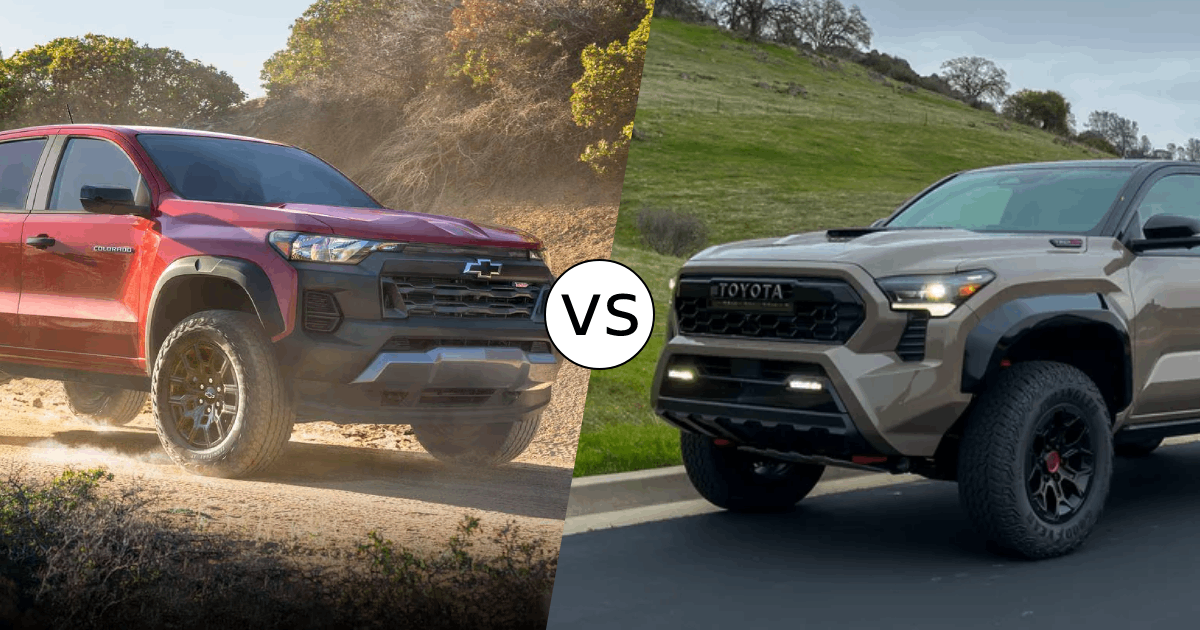
If you're looking for a new midsize truck that can handle the demands of North Texas, there's a good chance you're torn between the 2025 Toyota Tacoma and the Honda Ridgeline. While both trucks are capable of tackling the gravel trails outside of Prosper and busy commutes down Highway 380, there are some key differences worth considering. The Longo Toyota of Prosper team compared these trucks side-by-side to make your decision easier. more Performance and Capability There's a lot to consider as we compare engines. Toyota completely overhauled the Tacoma this year, turning it into an off-road-ready machine. The nonhybrid model comes equipped with a 278-horsepower turbocharged four-cylinder engine, while the hybrid variant boasts 326 horsepower. When pitted up against the Ridgeline's 280-horsepower 3.5-liter V-6, the Tacoma's gas-powered engine falls shy by the slightest margin. However, the Tacoma's hybrid model is the clear winner in terms of performance and fuel efficiency. The Tacoma also beats the Ridgeline in terms of towing capacity. The gas model hauls up to 6,500 pounds with ease, achieving a max payload of 1,709 pounds. Meanwhile, the Ridgeline manages just 5,000 pounds with a max payload of 1,600 pounds. If the Dallas North Tollway is part of your daily commute, you'll appreciate the Tacoma's smooth handling, especially when you tack on the available rear coil-spring suspension. Even the gas-powered Tacoma achieves better gas mileage than the Ridgeline, with estimates of 21 mpg in the city and 23 mpg on the highway. Comparatively, the Ridgeline gets 18 mpg in the city and 24 mpg on the highway. It might seem like a small difference, but it's one that adds up quickly if you're driving back and forth between Dallas, Plano, and Frisco. Truck Bed Configurations and Utility The 2025 Tacoma offers a long six-foot bed across the lineup, with a shorter five-foot version available if you opt for the Double Cab variant. The Ridgeline, however, only comes in one configuration: a four-door crew cab with a five-foot bed. For contractors who need to transport large building supplies, the longer six-foot bed on the Tacoma is the obvious choice. It's also worth pointing out that the Ridgeline's five-foot bed provides 34 cubic feet of space, offering one of the lowest volumes in the entire mid-size truck segment. To offset this, Honda installed an in-bed trunk under the bed's floor that adds an extra 7.3 cubic feet of capacity, but it's less convenient than the Tacoma's setup. Interior Comfort and Technology The biggest difference between the interiors of the 2025 Tacoma and Ridgeline comes down to seating and cab choices. The Tacoma offers a flexible range of options to suit the needs of different drivers. For individuals who usually commute to work solo, the XtraCab provides enough room for two passengers. If you need more room to pick the kids up from school, opt for the Double Cab to get seating for up to five people. Meanwhile, the Ridgeline comes in just the one four-door crew cab option we mentioned above, with seating for five. The revamped Tacoma gets several nice upgrades, including a raised seating position, extra headroom, and an adjustable steering column. It also has many standard features, including an 8.0-inch infotainment system, wireless Apple CarPlay, and Android Auto. Available features include a larger 14.0-inch display, a wireless charging pad, and a JBL audio system. The Limited trim also comes with a head-up display and heated and ventilated front seats to stay comfortable all year long. This year, the Ridgeline focuses more on practical comfort than innovative tech features. Throughout the cabin, you'll find a lot of hard plastic, but it does have a few usability elements that help make up for its limited truck bed volume. The 60/40 split rear seat opens up enough room to fit an adult-sized bicycle. It also comes with a slightly bigger 9.0-inch infotainment screen. Standard tech features include Apple CarPlay, Android Auto, and wireless charging. Upgrade to the TrailSport or Black Edition to get a built-in navigation system. Pricing, Warranty Coverage, and Reliability When we take a look at the 2025 Ridgeline vs. Tacoma reliability ratings from J.D. Power, it's a toss-up. Both models earned an impressive 81 points out of 100 in their overall scores. However, the Tacoma holds a stronger resale value, earning 96 points compared to the Ridgeline's 86 points. At $40,150, the Ridgeline's starting price is also much higher compared to the Tacoma's starting price of just $31,590. Warranty coverage is comparable, with both automakers offering a limited warranty for the first three years or 36,000 miles and a powertrain warranty for the first five years or 60,000 miles. However, Toyota includes complimentary maintenance for the first two years or 25,000 miles, while Honda caps this at two years or 24,000 miles. Toyota also offers comprehensive protection plans and rotating specials on new vehicles, making the Tacoma a more affordable and reliable option all around. 2026 Toyota Tacoma vs. Honda Ridgeline: Key Specs at a Glance Before we wrap things up, let's recap with a quick comparison chart to show how the Tacoma and Honda stack up side-by-side: Category 2025 Toyota Tacoma 2025 Honda Ridgeline Base Engine 2.4-liter turbocharged four-cylinder 3.5-liter V-6 Horsepower 278 hp (gas) / 326 hp (hybrid) 280 hp Towing capacity Up to 6,500 lbs Up to 5,000 lbs Payload Capacity 1,709 lbs 1,600 lbs Fuel Economy (MPG) 21 city / 23 highway 18 city / 24 highway Cab Configurations XtraCab (2-passenger) or Double Cab (5-passenger) Crew Cab (5-passenger) Truck Bed Options 5-foot or 6-foot bed 5-foot bed Starting Price $31,590 $40,150 The Final Verdict: Which Truck Wins? Still debating whether the Toyota Tacoma or the Honda Ridgeline deserves a spot in your driveway? The best way to decide is with a test drive. Schedule your visit with us online or stop by Longo Toyota of Prosper next time you're in the area. Our team will be happy to show you the latest features in the Toyota lineup so you can choose the right truck to hit the trails in Texas.

2025 Toyota Camry vs. Chevy Malibu

2025 Toyota Camry vs. Chevy Malibu

If you're looking for an affordable and reliable midsize sedan in Prosper, Texas, the Toyota Camry and the Chevy Malibu will likely make the list. While both can seat five people, they differ in areas like fuel efficiency and powertrain options, which could make choosing between them difficult. How do these cars face off, and which one is a good buy? Our team at Longo Toyota of Prosper has written this 2025 Chevrolet Malibu vs. Toyota Camry comparison to help you decide. more 2025 Toyota Camry vs. Chevrolet Malibu: Complete Midsize Sedan Showdown The 2025 Toyota Camry and Chevy Malibu suit both families and individuals who prioritize tech-rich interiors with various comfort features. Here's a rundown of these models and why they are so popular among drivers in Prosper, Texas. Quick Comparison Overview The release of the 2025 Toyota Camry in 2024 marked the beginning of the model's ninth generation. While this vehicle features the same platform as its predecessor, it has a redesigned and more attractive exterior. With its new hammerhead front fascia and sleeker LED headlights, the car commands attention, whether cruising down Preston Road or the Dallas North Tollway. The new Camry comes in over 10 exterior colors, including Celestial Silver Metallic and Reservoir Blue. Plus, you have four trim levels to choose from, including the LE, SE, XLE, and XSE. Like its Toyota rival, the 2025 Chevy Malibu features a refreshed exterior design with angular LED headlights and a new, bold front grille. However, it has seven exterior paint options, so the Camry has the advantage in this category. Chevrolet sells the Malibu in four trim levels, including the LS, RS, 1LT, and 2LT. Performance and Engine Specifications Breakdown The 2025 Toyota Camry and Chevrolet Malibu use different powertrains, which gives the former the upper hand in performance. The Camry comes with a hybrid powertrain that combines a 2.5-liter four-cylinder engine and an electric motor. In front-wheel drive, it delivers 225 horsepower and 163 lb-ft of torque. This delivers quick acceleration and smooth performance, which can be handy in stop-and-go traffic on US 380. For the first time, the hybrid Camry is available with all-wheel drive (AWD). The system produces 232 horsepower, providing more power and traction for navigating wet Prosper roads with confidence during the winter. In contrast, a 1.5-liter turbocharged four-cylinder engine powers the Chevrolet Malibu. Producing 163 horsepower, the engine provides a smooth driving experience thanks to an efficient continuously variable transmission (CVT) and front-wheel drive. The Malibu lacks an AWD system on all trims. This means it might not be the best vehicle for winter driving. Fuel Economy and Real-World Efficiency The Toyota Camry hybrid powertrain offers excellent fuel economy of 53 mpg city and 50 mpg highway. This makes the vehicle perfect for daily commutes to work and frequent shopping trips to The Gates of Prosper. On the other hand, the 2025 Malibu has a fuel economy of 28 mpg city and 36 mpg highway. While this is more efficient than some gas-powered sedans, it's no match for the Camry. Interior Space and Comfort In terms of interior space and comfort, the Toyota Camry and the Chevy Malibu are evenly matched. The Toyota model focuses on functionality and passenger comfort, offering features such as dual-zone automatic climate control to help occupants set their preferred temperatures. Upper Camry trims have 8-way power-adjustable front seats, which enable you to personalize your driving position and enhance comfort during long drives. You will also find smart storage features, such as cupholders that accommodate small water bottles and soda cans, for added convenience. Remote start comes standard, and there are several USB ports and other convenience features to enhance every drive. Similarly, the 2025 Chevrolet Malibu presents various comfort and convenience features. These include heated and ventilated front seats to keep you comfy in varying weather and dual-zone automatic climate control. The car boasts an acoustic laminated windshield that dampens road and traffic noise to create a quieter cabin environment. Some Chevy Malibu models come with leather-wrapped steering wheels, which enhance the cabin's appearance and provide a comfier, more secure grip. The car also has remote start, which allows you to start the engine before entering the car to condition the cabin to your preferred temperature. Technology Features and Infotainment Systems The 2025 Camry and the Chevy Malibu come with advanced tech features that boost safety and convenience. Toyota Safety Sense 3.0 Suite vs. Chevy Safety Assist Toyota's Camry has the new Toyota Safety Sense 3.0 Suite, which includes features such as: Pre-Collision System with Pedestrian Detection: Warns you and may apply the brakes after detecting obstacles like other vehicles and pedestrians to protect you from accidents. Dynamic Radar Cruise Control: Adjusts the vehicle's speed to enable you to maintain a safe distance from the car ahead, preventing collisions. Road Sign Assist: Detects road signs and displays relevant icons on the information display, increasing driver awareness. The Malibu comes with the Chevy Safety Assist, which includes driver-assistance features such as: Front Pedestrian Braking: Detects pedestrians in the vehicle's path and automatically brakes to prevent a collision. Lane Keeping Assist: Monitors lane markings and prevents you from drifting out of your lane. Infotainment Screen Size and Functionality Both the Chevy Malibu and the 2025 Toyota Camry have 8-inch touch screens with wireless Android Auto and Apple CarPlay for seamless smartphone integration. With this, you can access your favorite audiobooks and enjoy more memorable driving experiences. Toyota Camry vs Chevrolet Malibu: Which Is Better? As we've seen, the Toyota Camry beats the Chevrolet Malibu in several key areas, including fuel efficiency and performance. This makes it the clear winner in this showdown. Planning to buy the 2025 Camry? Browse our new Toyota inventory to find a model that matches your needs and contact us to schedule your test drive.

What is BSM on a Toyota

What is BSM on a Toyota?

Vehicle safety isn't only about protecting passengers in case of a crash. Many modern vehicles come with systems that can help the driver detect challenging road situations in time to avoid them safely. Toyota has always put safety at the top of its priority list, and the blind-spot monitor (BSM) system has been available for Toyota models for more than a decade. Keep reading to discover exactly what it is, how it works, and how it can help you avoid dangerous situations. more What is BSM on Toyota: Understanding Blind Spot Monitoring Technology Toyota's blind-spot monitoring system is an active safety assist feature that uses multiple sensors to detect other vehicles entering the driver's blind spots. When the system detects such a situation, it issues a visual warning through an illuminating indicator on the driver's side-view mirror. If the driver signals a lane change in that direction, the light will start blinking to get their attention. Many Toyota models with BSM also have a rear cross-traffic alert system, which uses the same sensors to detect any vehicle coming from either side when backing up. Some of the system's core components are: Radar sensors: Scan the left and right lanes to detect any incoming vehicles that enter the driver's blind spots. Electronic control unit: Receives data from the sensors and analyzes it to detect potential hazards. Side mirror indicator lights: Activates a small LED light to warn the driver if the ECU triggers a warning. Some situations when the blind-spot monitor can effectively assist drivers include: When Changing Lanes The most common use of BSM technology is when moving from one lane to another. Even if you're careful and look into the corresponding side mirror before changing lanes, a vehicle may still be beside you in a blind spot. If the BSM indicator doesn't light up, it usually means the system didn't detect any vehicles in your blind spot. However, you should still check your mirrors before changing lanes to be on the safe side. When Merging Onto a Highway Another common use of this system is when trying to merge onto a busy highway. Finding the right moment to change lanes can be difficult with cars constantly going past you. The BSM system can help you find a safe moment to merge. When Passing By Smaller Vehicles When you're driving a medium or large SUV, such as the Toyota Highlander or RAV4, you may find it challenging to notice scooters, motorcycles, and bicycles passing by. The BSM system lets you know when one of these is next to you. When Driving in Bad Weather Conditions If you're driving in heavy rain, snow, or fog, rearview mirror visibility is limited. The BSM system can reliably reveal other vehicles when they approach, helping you avoid unpleasant situations. Which Toyota Models Have BSM Technology Most Toyota models come with BSM systems, either as a standard feature or as an option. All new Toyotas that come with a blind-spot monitoring system also have a rear cross-traffic alert system. Here's a breakdown of some of the most popular models: Toyota Camry: Blind-spot warning with rear cross-traffic warning system is standard on all 2025 Camry models, regardless of trim level. Toyota Corolla: BSM is standard on the XSE trim and available as an option on lower trims. Toyota RAV4: Toyota Safety Sense suite is standard on all trims and includes blind-spot warning with the rear cross-traffic warning. Toyota Prius: Blind-spot warning with rear cross-traffic warning is a standard feature on recent generations, including the 2025 model, and optional on older models. Toyota Highlander: Blind-spot warning with rear cross-traffic warning is standard on higher trims and available as an option on lower trims. Toyota 4Runner: Blind-spot warning with rear cross-traffic warning system is also standard on this midsize all-terrain SUV. How to Operate Toyota's BSM System While the blind-spot monitoring system is a crucial safety component most of the time, there are special situations when you may need to turn it off. One such situation is when you're towing a trailer or using a rear bike rack, as any large metal object near the rear bumper can cause false positives. Other situations include driving on very narrow roads or navigating an off-road environment. Luckily, it's very easy to turn off if you need to. All you have to do is access the vehicle's settings through its infotainment system, navigate to the safety or driver assistance section, look for the BSM feature, and turn it on or off. Alternatively, you can visit us at Longo Toyota of Prosper, and we'll take care of it for you. BSM Safety Benefits and Statistics A study by the Insurance Institute for Highway Safety (IIHS) concluded that vehicles equipped with a blind-spot monitoring system experience 14% fewer lane-change crashes than those that don't. The same study also found that having a cross-traffic alert system boosts that percentage to 23%. Besides helping you avoid collisions when changing lanes and merging into ongoing traffic, having a blind-spot monitor system on your vehicle can also make driving less stressful while also enhancing your car's resale value, which is already high on Toyotas. Come See How Toyota's BSM Works at Longo Toyota of Prosper The best way to experience how Toyota's blind-spot monitoring system can help keep you and your family safe is by test-driving one of the brand's vehicles. Visit us at Longo Toyota of Prosper and test drive the Toyota model that fits you best. Our sales staff will explain how the system works and answer any questions you may have about its features. Contact us today to learn more about how Toyota's BSM can enhance your driving lifestyle.

2025 Toyota RAV4 vs. Nissan Rogue

2025 Toyota RAV4 vs. Nissan Rogue

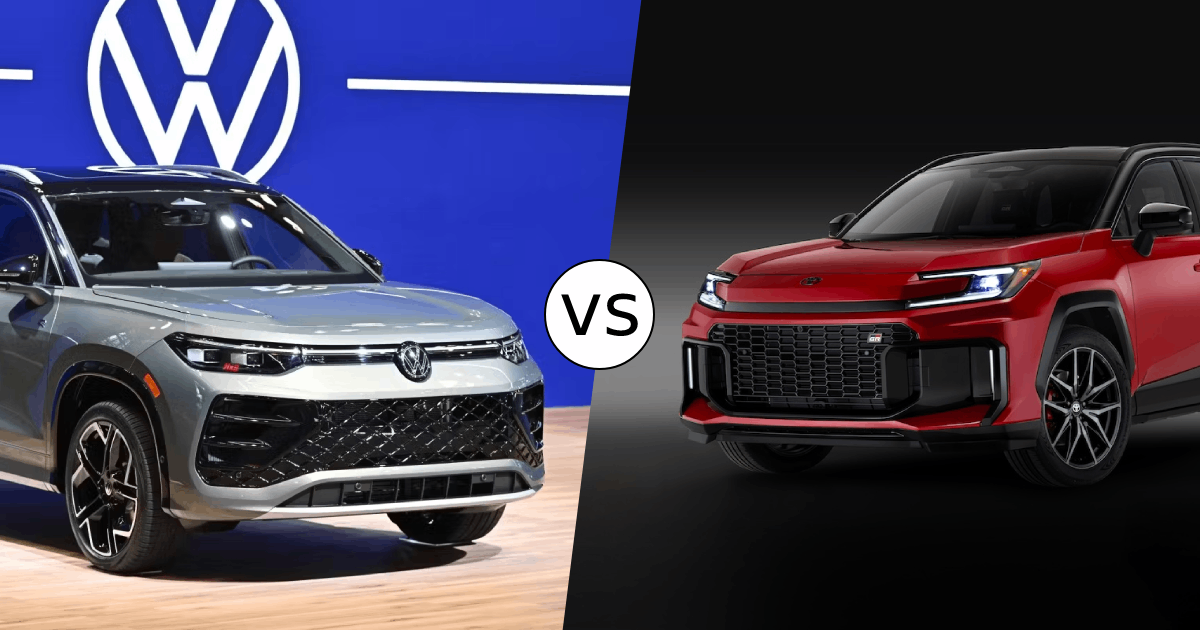
Here in the Dallas–Fort Worth area, compact SUVs like the Toyota RAV4 and Nissan Rogue are especially popular among local families and commuters who need both comfort and capability. The RAV4, winner of the Kelley Blue Book Best Resale Value Award for 2024, offers powerful engine options, hybrid availability, and excellent safety ratings. The Nissan Rogue, ranked as the #1 compact SUV by MotorTrend for three consecutive years, offers advanced interior tech, standard intelligent all-wheel drive, and spacious rear seating. This guide compares the Nissan Rogue vs. Toyota RAV4 to help you decide which may be the best SUV for your needs. more Pricing and Value: Which Offers More Bang for Your Buck The 2025 Nissan Rogue starts at an MSRP of $28,790, making it slightly more affordable upfront compared to the Toyota RAV4, which has a starting price of around $29,800. While the Rogue offers a lower entry price and comes standard with all-wheel drive, the RAV4 compensates with a more powerful engine, hybrid variants, and strong long-term reliability. Buyers looking for fuel-efficient hybrid options and proven durability might find the RAV4 offers better value despite the small price premium. On the other hand, budget-conscious shoppers may appreciate the Rogue's competitive base pricing alongside its rich standard features. Performance Under the Hood: Engine and Drivetrain Analysis The RAV4's 2.5-liter inline-4 engine produces 203 horsepower and 184 lb-ft of torque paired with an 8-speed automatic transmission. The Rogue uses a 1.5-liter three-cylinder turbo engine that produces 201 horsepower and 225 lb-ft of torque paired with a CVT transmission. Both models are equally speedy: the Toyota boasts a 0-60 mph time of around 8.3 seconds, or 7.4 seconds with the hybrid, while the Nissan is rated at 8 seconds. Both models are standard front-wheel drive, but all-wheel drive is optional for better handling in poor weather. Although the Rogue's variable compression turbo engine is innovative, some drivers report the CVT transmission to be less reliable over time than the RAV4's traditional automatic. Fuel Economy Face-Off: MPG in City and Highway Driving Whether you're running errands around Prosper or heading down Highway 380, both SUVs deliver great gas mileage to keep your trips efficient. The Toyota RAV4 earns class-competitive fuel-economy estimates from the EPA, including an estimated 27 mpg city and 35 mpg highway for the gas trims or 38 mpg city and 35 mpg highway for the hybrid model. The Nissan, with its turbocharged three-cylinder engine, is rated at up to 30 mpg city and 37 mpg highway, but offers no hybrid model. Choosing all-wheel drive drops these figures to 28 mpg city and 35 mpg highway, putting it in line with the RAV4 AWD. For more information about the RAV4 or Rogue's fuel economy, visit the EPA's website. Interior Space and Comfort: Passenger and Cargo Capacity Both models seat up to five passengers comfortably, but use the similarly sized space inside a little differently. The 2025 Toyota RAV4 offers 41.0 inches of legroom in front and 37.8 inches at the rear. The 2025 Nissan Rogue offers a slightly more roomy 41.5 inches of legroom in the front but less in the rear (38.5 inches), which may be a consideration for families with older kids or who want to future-proof their SUV. Both provide plenty of space for passengers on short or long drives. Cargo space is near-equivalent between both vehicles. The 2025 Toyota RAV4 offers 37.5 cubic feet of cargo space behind the second row and expands to a maximum of 69.8 cubic feet with the rear seats folded down, so there's plenty of room for luggage, sports equipment, and other gear. The Nissan has slightly less space (36.5 cubic feet) behind the second row but a larger maximum capacity of 74.1 cubic feet with the rear seats folded down. Technology and Safety Lower Toyota trims come with a standard 8.0-inch touchscreen, but a 10.5-inch display is optional on the XLE Premium or standard on the Limited trim. It offers a 4G LTE mobile hotspot and wireless Apple CarPlay and Android Auto compatibility for smartphones. Optional features include a JBL premium audio system, a navigation system, and a wireless charging pad, which many modern families appreciate. Most trims come with a separate 7.0-inch digital gauge cluster, but a 12.3-inch fully digital gauge display comes standard on the Limited models. In comparison, Nissan offers the same-sized standard 8.0-inch screen on the base, but SL and Platinum models sport a larger 12.3-inch screen. Apple CarPlay and Android Auto are standard, while in-dash navigation and a Bose stereo system are available. It also includes a wireless charging pad and a separate 12.3-inch reconfigurable digital gauge cluster, but only on the higher SL and Platinum models. Toyota also comes complete with more standard safety tech, including standard adaptive cruise control, whereas Nissan offers this as a paid-for option. Blind-spot monitoring with rear cross-traffic alert is optional on Toyota's base but standard on the rest and standard for Nissan. Both models receive decent ratings from the IIHS and a five-star overall rating from the NHTSA. Final Verdict: Which SUV Wins for Your Needs Out of the RAV4 vs. Rogue, the 2025 Toyota RAV4 is the better all-round choice for those who want a powerful engine and excellent long-term reliability and resale value. The Nissan Rogue appeals to buyers looking for a tech-rich and comfortable cabin with advanced standard features. For most drivers looking for balanced performance, fuel economy, and proven dependability, the Toyota RAV4 wins slightly over the Nissan Rogue in the 2025 compact SUV segment. If you'd like to experience the new Toyota RAV4 for yourself, visit Longo Toyota of Prosper for a test-drive today.

2025 Toyota Tacoma i-Force MAX vs. Tesla Cybertruck

2025 Toyota Tacoma i-Force MAX vs. Tesla Cybertruck

The 2025 Toyota Tacoma i-Force MAX and Tesla Cybertruck are two very different mid-size pickups to hit the market. The Tacoma hybrid combines a turbocharged 4-cylinder engine with electric assistance for practical power and efficiency, while the Cybertruck has a futuristic design and uses innovative electric motors for maximum performance. This guide compares the strengths of Toyota's proven hybrid technology with Tesla's electric innovation to help you decide the better choice for your needs. more Powertrain Performance Analysis The primary difference between the Toyota Tacoma vs. the Tesla Cybertruck is that the former is a hybrid and the latter is an all-electric model. This affects performance and fuel efficiency, so it is worth keeping in mind. The 2025 Tacoma i-Force MAX features a 2.4-liter turbocharged 4-cylinder engine paired with a hybrid electric motor. Combined, it can produce up to 326 horsepower and 465 lb-ft of torque. This makes it the most powerful Tacoma ever, boasting smooth, almost instant torque from the hybrid system and improved fuel efficiency compared to its gas counterpart. The engine pairs with an 8-speed automatic transmission and standard four-wheel drive for tackling tougher terrain off paved roads. The hybrid achieves a 0-60 mph time of 7.6 seconds, which makes it feel quick and adequate for most everyday driving and road conditions. The Tesla Cybertruck offers multiple powertrain variants, with the most common dual-motor AWD setup producing 600 horsepower and 521 lb-ft of torque. The top-tier tri-motor version delivers 845 horsepower and 864 lb-ft of torque. Acceleration is impressive, with 0-60 mph times as quick as 2.6 seconds for the Cyberbeast trim, which is incredibly quick for a giant truck of its size. Tesla's electric drivetrain ensures instant torque and smooth delivery over a broad range of speeds. Towing and Payload Capabilities When it comes to towing and payload capacity, the Tesla wins hands down. The Tacoma's maximum towing capacity is 6,000 pounds with the hybrid i-Force MAX, whereas the Tesla's maximum capacity is up to 11,000 pounds. The Toyota has a payload of up to 1,460 pounds, while the Cybertruck can carry up to 2,500 pounds, due to its larger size and stronger build. Despite the Tacoma's lower towing and payload specs, it's still one of the best hybrid trucks for towing. Its lighter weight and smaller size make it easier to handle in tight off-road situations, while the Tesla is better suited for hauling heavier trailers, but it can feel like more of a beast to maneuver. For some drivers, this may be an important factor when deciding which truck is better for their needs. Off-Road and Terrain Performance Both models hold their own when it comes to off-road capability, just in their own ways. The Tacoma TRD Off-Road and i-Force MAX trims are equipped with specialized off-road suspension, skid plates, Crawl Control, Multi-Terrain Select, and massive 33-inch tires. It offers excellent performance in even the most rugged conditions. Its nimble footprint, durable build, and proven suspension components make it a favorite among off-road enthusiasts. Tesla's Cybertruck has an adjustable air suspension system, four-wheel steering, and “Wade Mode” for water fording, which allows the truck to drive through shallow water. It's designed for rock crawling and trail performance with high ground clearance but is heavier and larger than the Tacoma, which may affect it's agility in narrow or technical trails. The Tacoma, in comparison, has a compact frame and refined off-road tuning that gives it an edge on more technical trails. Pricing and Value Proposition The Toyota Tacoma i-Force MAX starts at around $47,815 MSRP for the TRD Sport, offering a good balance of power, hybrid efficiency, off-road capability, and traditional pickup utility. The Tesla Cybertruck's starting MSRP is significantly higher, at $72,235, reflecting its advanced electric technology and premium features. The TRD Off-Road model generally offers the best value with its composite front skid plate for extra underbelly protection and 17-inch wheels with all-terrain tires. The Audio Multimedia Upgrade package is worth the extra cost as it replaces the TRD Off-Road's standard 8.0-inch screen with a larger 14-inch one. That being said, there is a flip side to the coin. Tacoma owners benefit from lower maintenance costs associated with proven hybrid technology and an extensive dealer network. Fuel savings are moderate but steady with the hybrid system. The Cybertruck offers zero gas costs but comes with maintenance considerations unique to electric vehicles (mainly battery care, such as monitoring its charge to take care of the battery's health and longevity) and higher insurance costs. In terms of value, driving range is often the top priority for the Cybertruck, so it may be best to opt for the more affordable all-wheel drive model, which offers slightly more real-world range and, with a 3.9-second 0-60 mph time, remains very fast. Final Verdict: Which Truck Wins in 2025? Both are excellent options, but the 2025 Toyota Tacoma i-Force MAX is the smarter choice for buyers who want proven reliability, the versatility of a pickup, and impressive hybrid power with strong off-road capability, all for a reasonable price point. It suits those who want a practical truck for work and adventure without paying a premium for an EV. The Tesla Cybertruck offers groundbreaking electric performance, unmatched towing, and futuristic features, but demands a higher upfront investment. For most drivers looking for a balance of usability and value, the Toyota hybrid Tacoma i-Force MAX is the ideal choice for a hybrid-powered mid-size pickup. Want to experience the Tacoma hybrid for yourself? Visit Longo Toyota of Prosper for a test drive today.

Contact Us

Fill out this form below and we'll contact you shortly
*Required Fields